




1930s Two Tier Table
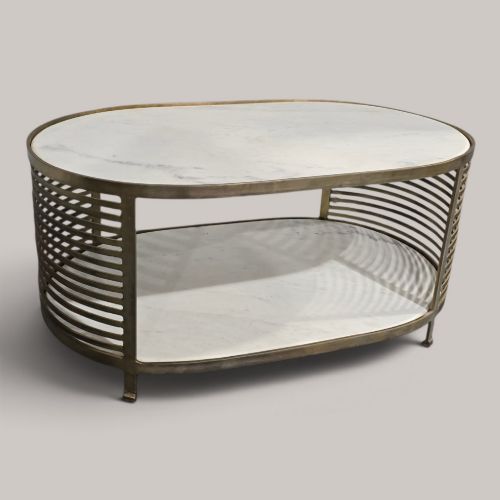
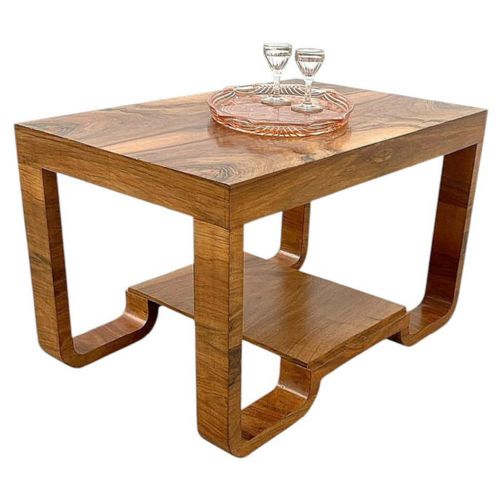
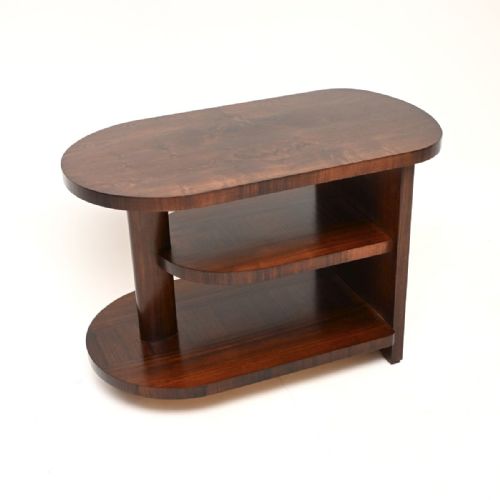
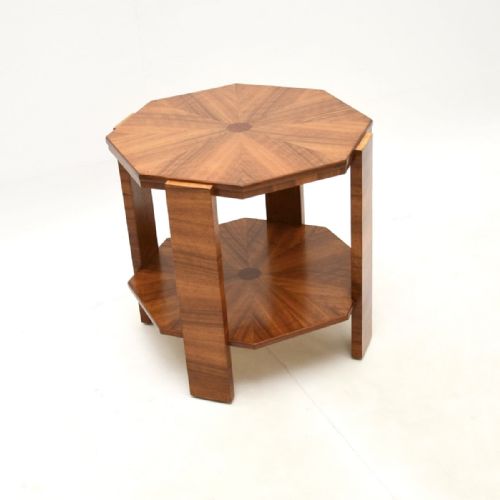
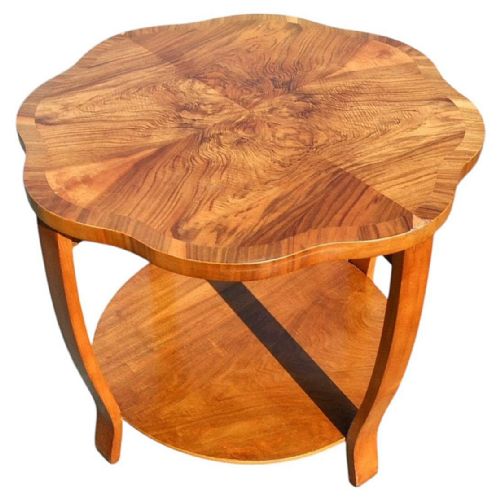
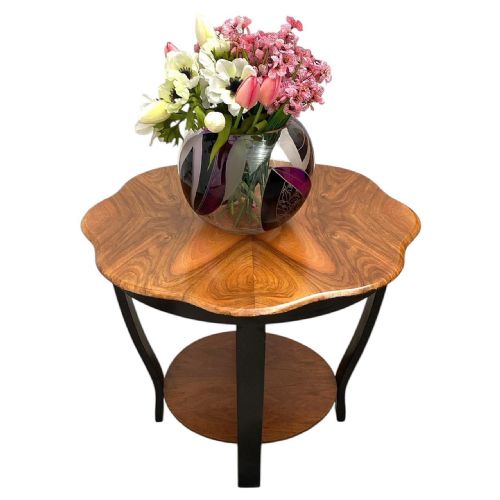
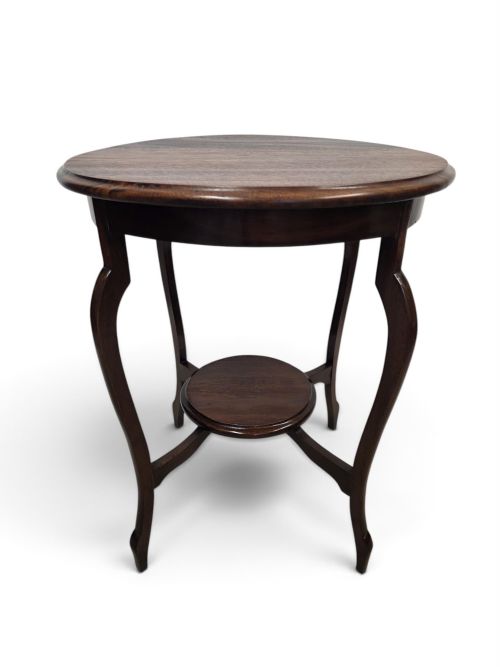
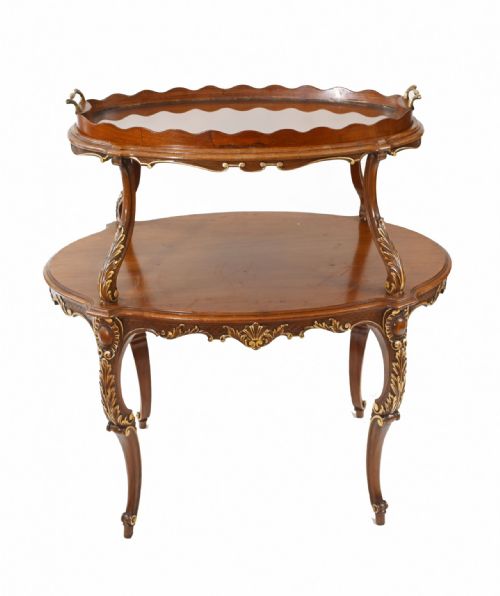
A 1930s two tier table offers practical double-surface display space with the distinctive geometry of the interwar period.
1930s Two Tier Table
A 1930s two tier table provides dual levels for storage and display, appearing primarily in forms such as coffee tables, side tables, occasional tables, and serving or drinks trolleys. Most examples date from the 1930 period, with occasional pieces spanning the 1920 to 1940 range.
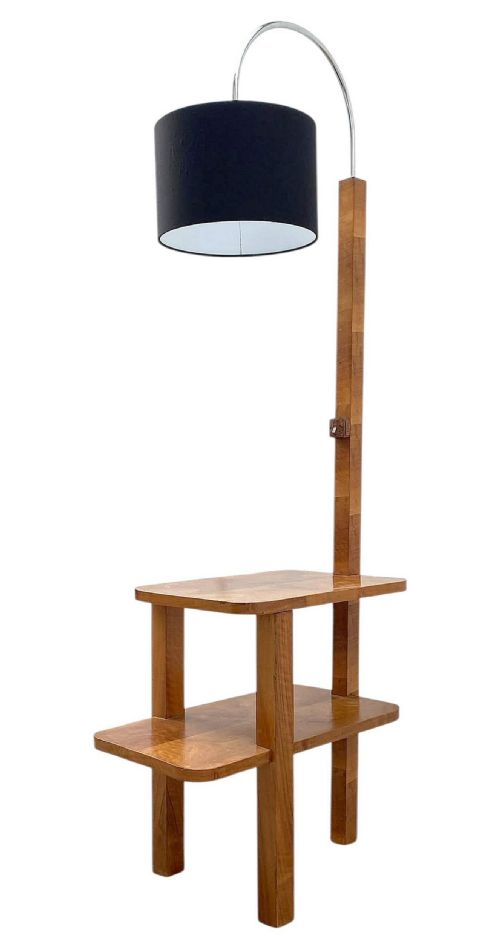
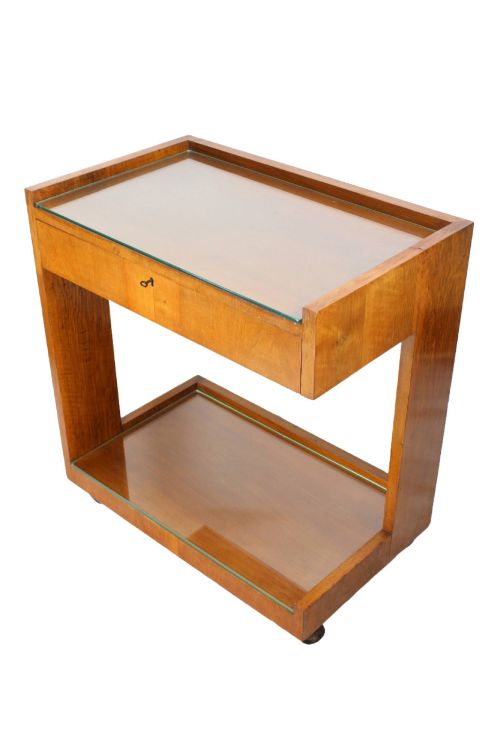
The aesthetic is predominantly Art Deco, alongside 1930s British, Rococo Revival, Modernist, and Scandinavian variations. Buyers encounter these versatile pieces functioning as lamp tables, sofa tables, and mobile trolleys fitted with casters.
Materials and Construction
Construction relies heavily on timbers such as walnut, oak, satin birch, rosewood, and ebonised wood, frequently enhanced by highly figured veneers like walnut veneer and maple. Surfaces are sometimes paired with glass inserts or supported by chrome and brass elements.
Joinery and structural framing support multi-tiered platforms, shelves, and metamorphic mechanisms. Ebonised accents and limed finishes provide textural contrast to the warm natural grain of the primary woods.
1930s Two Tier Table Retail Price Guide 2026
Typical asking prices for 1930s two tier table among the pieces listed under this phrase on Sellingantiques today, from the lower quarter to the upper quarter. They describe what is for sale here now, not the wider market.
Walnut and oak appear across multiple object types, including coffee tables, side tables, and drinks trolleys.
Factors Determining Quality
Quality rests on the selection and matching of wood veneers, particularly highly figured walnut or maple, which impart visual depth to the upper and lower surfaces. The integration of secondary materials like chrome, brass, and glass distinguishes standard occasional furniture from high-end production.
Structural refinement shows in the execution of metamorphic actions on trolleys and the stability of multi-tiered frames. Pieces attributed to specific designers or distinct regional styles, such as Scandinavian satin birch or English figured walnut, demonstrate higher design ambition.
Gilbert Rohde
The 1930s Two Tier Table Glossary
- Art Deco
- A design style characterised by sleek geometric shapes, stylised motifs, and streamlined forms that dominated the interwar period.
- Occasional Table
- A small, versatile table designed for specific, intermittent use around a living space, such as beside a sofa or chair.
- Veneer
- A thin layer of finely figured wood applied over a stable base timber to provide decorative surface patterns.
- Etagere
- A piece of furniture consisting of a set of open shelves for displaying small objects or serving items.
- Metamorphic
- Describing furniture engineered to transform its shape or function, such as a serving trolley that alters its configuration.
1930s Two Tier Table: Frequently Asked Questions
How do I identify an Art Deco table?
Art Deco tables display clean lines, geometric symmetry, and a focus on the natural grain of materials like walnut, oak, and exotic veneers. Look for stepped tiers, contrasting ebonised details, or metal accents in brass and chrome.
Porter or trolley versions often incorporate functional innovations like wheels or drop leaves while maintaining this streamlined aesthetic.
Are these tables suitable for everyday use?
Solid wood and veneered constructions from this era are robust enough for daily placement in living areas. Using coasters and protecting surfaces from excessive moisture preserves the polished timber and delicate veneer work.
Tables fitted with glass tops or metal elements simply require standard glass cleaner and dry cloth maintenance to remain functional.
How do I tell different periods apart?
Pieces from this era primarily cluster around the 1930s, defined by modernist geometry and striking wood veneers. Earlier pieces leaning toward the 1920s may retain transitional elements, while 1940s examples sometimes show utilitarian wartime simplifications.
Stylistic markers like Rococo Revival hints contrast sharply with the prevailing straight lines of mainstream Art Deco production.