


1930s Sofa Table
A 1930s sofa table brings practical surface space and striking grain to a room, offering the elegance collectors prize in period furniture.
1930s Sofa Table
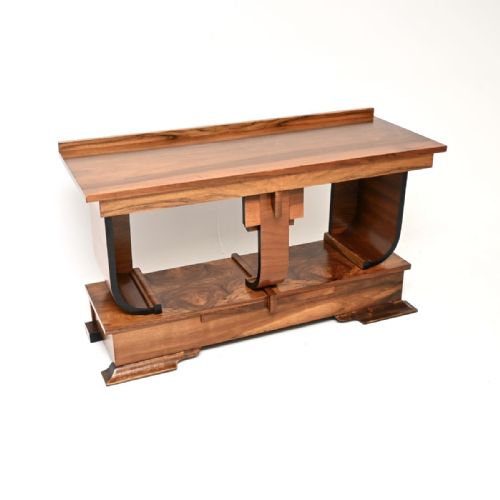
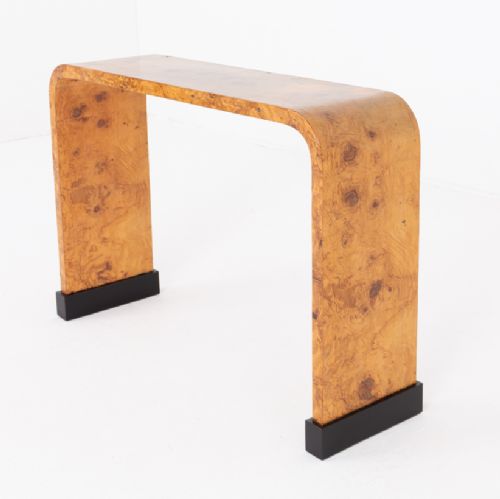
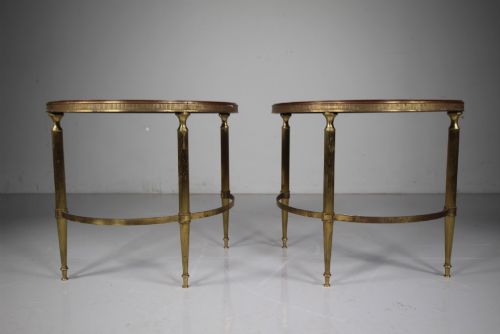
A 1930s sofa table represents a versatile form of domestic furniture designed to sit comfortably behind a sofa or against a wall. The pieces appearing here encompass console tables, side tables, and multi-tier occasional tables from the period.
Buyers will most frequently encounter walnut surfaces, often utilising burr or figured veneers, alongside occasional examples in mahogany, brass, or glass and chrome. These items span both British production and French origins, frequently bearing distinct Art Deco characteristics.
How they were made
Cabinet makers constructed these pieces using solid timbers and engineered carcases finished with choice veneers. Figured and burr walnut veneers received careful book-matching to create symmetrical grain patterns across the tabletops.
Makers integrated various supporting materials including brass accents and ebonised wood details. Certain modernist designs employed chrome frameworks combined with glass to achieve clean, geometric lines.
Listings show a strong preference for walnut and burr walnut veneers, complemented by occasional examples in mahogany, brass, glass, and chrome.
What varies in quality
The choice of veneer dictates much of the visual impact, with highly figured burr walnut and book-matched patterns marking out superior examples. Plain timber surfaces rely entirely on clean proportions and disciplined joinery for their success.
Design complexity also separates standard items from exceptional pieces, particularly where makers incorporated illuminated tops or multi-tier configurations. The precision of the finish on metal components and wood surfaces alike marks the distinction between workshop levels.
Hille·Gilbert Rohde
The 1930s Sofa Table Glossary
- Burr walnut
- A prized wood veneer harvested from the wart-like growths on walnut trees, creating swirling, highly decorative grain patterns. It requires expert application to prevent lifting over time.
- Art Deco
- A dominant design style of the interwar period characterised by sleek geometric shapes, stylised motifs, and streamlined forms. It influenced architecture, fashion, and furniture alike.
- Demi-lune
- A half-moon shape used for the footprint of console and side tables designed to stand flush against a wall. This profile saves floor space while providing a functional surface.
- Veneer
- A thin layer of choice wood applied over a more stable secondary timber base. This technique allowed cabinet makers to display expensive grain patterns economically.
- Occasional table
- A small, movable piece of furniture designed for specific, intermittent use around a reception room. These often featured multiple tiers for storage or display.
1930s Sofa Table: Frequently Asked Questions
What is a 1930s sofa table used for?
These tables provide a convenient surface for lamps, books, or decorative items within a reception room. Their proportions allow them to sit neatly behind seating or along hallways.
Historically, similar forms accommodated needlework or writing materials, though surviving 1930s examples generally serve display and occasional utility functions.
How do I identify Art Deco furniture?
Art Deco pieces display clean geometric lines, symmetrical shapes, and a lack of fussy ornamentation. Look for streamlined silhouettes and stepped profiles.
The style frequently employs luxurious materials such as burr walnut veneers, polished chrome, and contrasting ebonised woods.
Where were these tables made?
The pieces originate from British workshops as well as continental European centres, with French makers contributing distinct modernist designs. Production methods varied from large workshops to specialised cabinet makers.
Regional preferences influenced whether a piece leaned towards traditional revival styles or avant-garde modernism.
How should I care for walnut veneer?
Protect walnut surfaces from direct sunlight to prevent the rich timber tones from fading over time. Keep them away from extreme temperature shifts that could dry out the wood.
Apply a quality wax periodically and buff gently to maintain the sheen of the polished finish without sealing the pores.