


1930s Silver Table Dish
A 1930s silver table dish brings geometric elegance and practical service to a room, offering the distinct styling of the interwar years.
1930s Silver Table Dish
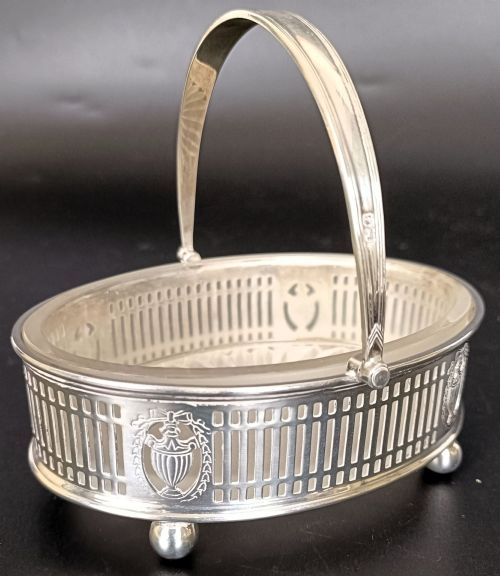
A 1930s silver table dish encompasses a variety of serving vessels, dessert dishes, fruit baskets, and decorative bowls produced during the 1930s. Buyers searching for a 1930s silver table dish will encounter forms ranging from swing-handled oval baskets to modernist comports and low bonbon bowls. These items often feature auxiliary materials such as cut glass, cobalt glass liners, and colourful enamel work.
The objects on this page lean heavily into the Art Deco and Arts & Crafts styles, alongside French Art Deco and Neoclassical Revival designs. You are most likely to meet silver plated or sterling silver pieces bearing hallmarks from the early to mid-1930s, including items produced in Sheffield and Birmingham. Many of these table dishes were designed alongside matching dressing table accessories or salt cellars.
How they were made
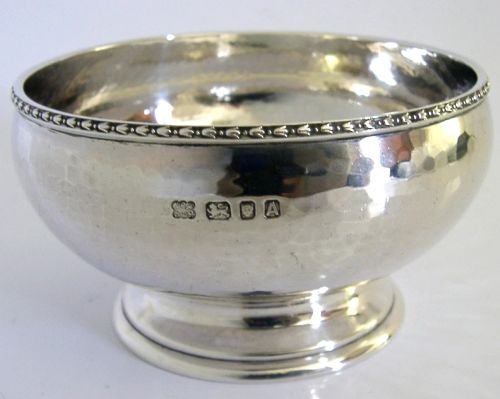
Makers shaped sterling silver and silver plate through techniques such as planishing and hammering, which left tactile textures across the metal surface. Items like the Arts & Crafts bowl demonstrate visible hand-working, whereas French Art Deco and modernist comports rely on clean geometric lines and smooth plated surfaces.
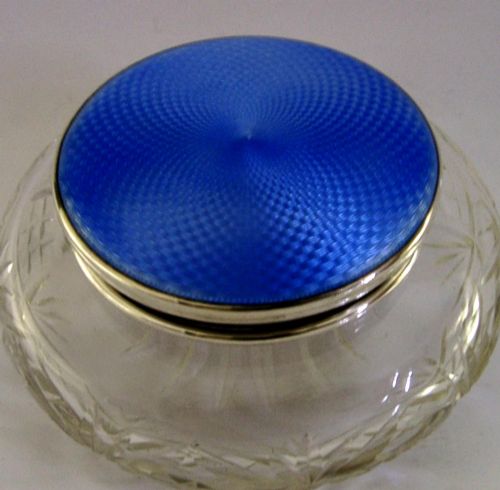
Many table dishes incorporate fitted liners made from cut glass, cobalt glass, or transparent glass to hold foodstuffs or cosmetics safely. Enamel work in blue or pink adds vibrant colour contrast directly onto the metal lids and mounts of jars and bowls.
Listings feature sterling silver, silver plate, glass, enamel, cobalt glass, wood, cut glass, and chrome across the 1930 period.
What varies in quality
Quality in a 1930s silver table dish rests on the crispness of the metalwork, the weight of the sterling silver or the retention of the silver plate, and the integrity of any applied enamel. Pieces featuring hand-hammered surfaces or substantial sterling gauge sit at the upper end of the range compared to standard plated wares.
The presence and condition of original fitted glass liners - particularly coloured cobalt or cut glass components - substantially influence the overall completeness and desirability of the dish. Maker attribution, such as work originating from established firms in Sheffield, Birmingham, or Paris, further distinguishes finer examples.
Viners·Brille
The 1930s Silver Table Dish Glossary
- Sterling silver
- A silver alloy containing 92.5 percent pure silver by weight, widely used for high-end tableware and marked with official hallmarks. This standard ensures durability while maintaining a bright metallic lustre.
- Silver plate
- A base metal coated with a thin layer of silver, offering the visual appeal of solid silver at a different production cost. It formed the basis for many utilitarian serving dishes of the period.
- Planished
- A metalworking technique involving light, systematic hammer blows that create a textured, light-catching finish. It is characteristic of handcrafted Arts & Crafts silverware.
- Comport
- A raised serving dish or pedestal bowl used for fruit, sweets, or presentation on a dining table. They appear frequently in modernist and Art Deco metalwork.
- Cobalt glass
- A deep blue glass coloured with cobalt oxide, frequently utilised for removable liners inside open salt cellars and preserve dishes. It provides a striking contrast against polished metal.
1930s Silver Table Dish: Frequently Asked Questions
What is a 1930s silver table dish used for?
These dishes served multiple dining and dressing functions, from presenting fruit and bread to holding bonbons or serving desserts.
In period homes, they sat on dining tables, sideboards, or dressing furniture to combine utility with decorative flair.
How do I clean a silver table dish?
Careful maintenance involves washing metal and glass components separately in warm soapy water using a soft cloth.
Avoid abrasive cleaners that can damage silver plate, sterling surfaces, or delicate enamel accents.
Are glass liners original to the dishes?
Many dishes were manufactured with fitted cut glass or coloured glass liners designed to protect the metal from acidic foods.
Checking that the liner sits flush within the basket or bowl helps confirm its period match.
How do I identify Art Deco pieces?
Art Deco table dishes display symmetrical geometric patterns, stepped motifs, and sleek modernist contours typical of 1930s design.
They often contrast polished silver surfaces with vibrant enamel or deep cobalt glass.