


Art Deco Silver Bowl
When searching for an art deco silver bowl, buyers encounter clean geometric lines and striking modernist forms originating primarily from the 1920s and 1930s.
Art Deco Silver Bowl
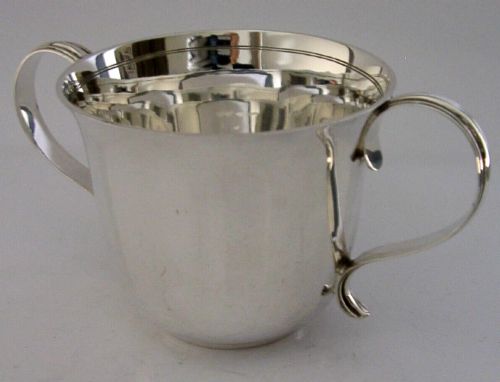
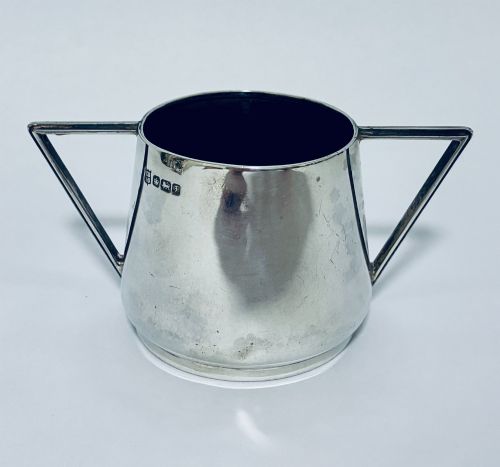
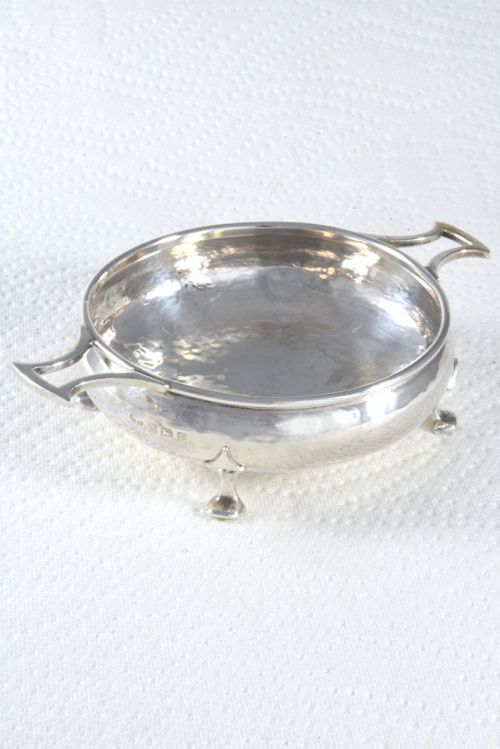
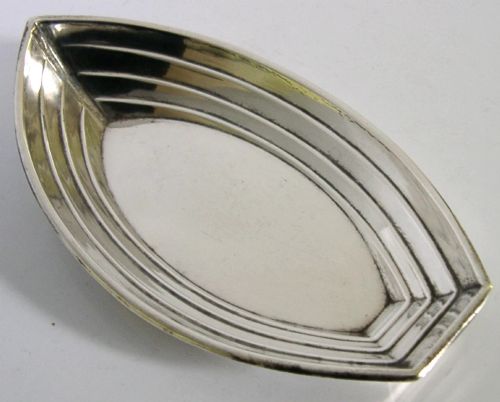
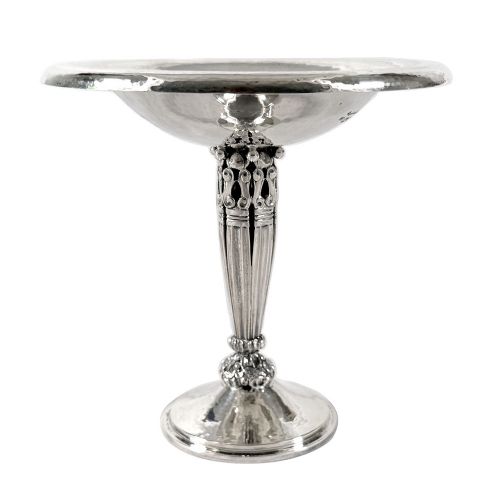
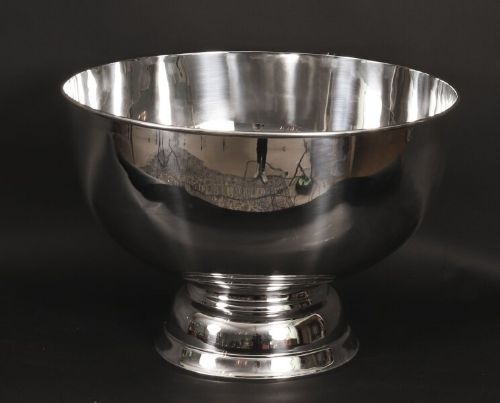
An art deco silver bowl encompasses various functional vessels, including sugar basins, rose bowls, pedestal tazzas, and twin-handled presentation trophies produced during the height of the modernist movement. These objects reflect a distinct shift away from florid historical revivalism toward streamlined symmetry, stark angles, and stepped profiles.
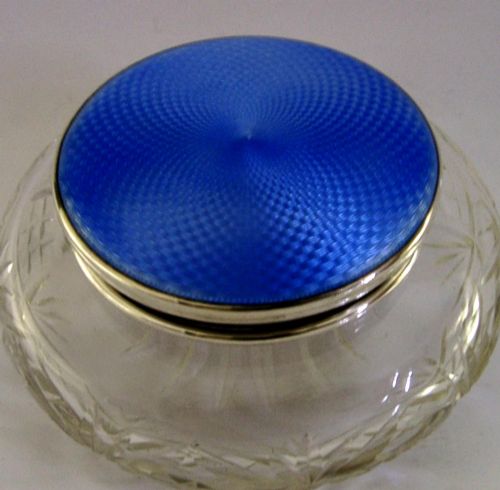
The specimens commonly met on this page span British sterling silver examples bearing traditional assay office marks to continental silver-plated fruit baskets and glass-lined dessert dishes. Domestic serving pieces and vanity powder jars dominate the available selection, frequently combining precious metal with contrasting panels of cut crystal or vitreous enamel.
What varies in quality
The distinction between ordinary production items and superior examples lies in the weight of the metal utilised, the precision of the geometric handles, and the integrity of any applied enamel or glass components. Heavier sterling silver pieces demonstrate substantial gauge metal that resists denting and maintains crisp architectural angles without softening during the silversmithing process.
Makers known for exceptional retail output maintained rigorous standards in plating thickness, hinge alignment on lidded jars, and the clarity of cut glass bodies paired with the silver mounts. Finer pieces exhibit harmonious proportions where the weight of the base or handles directly matches the scale of the central vessel.
Listings feature sterling silver, silver plate, cut glass, enamel, and tortoiseshell objects spanning the 1910s through the 1930s.
Mappin & Webb·Walker & Hall·Charles Boyton·Hamilton & Inches·Goldsmiths and Silversmiths·Adie Brothers·Christofle Gallia·Emile Viner
The Art Deco Silver Bowl Glossary
- Tazza
- A shallow bowl or dish raised on a slender stem and foot, commonly utilised for serving fruit or sweets during the early twentieth century.
- Quaich
- A traditional Scottish two-handled drinking vessel or shallow bowl, occasionally reinterpreted during the modernist period with geometric handles.
- Guilloche
- An intricate mechanical engraving technique that produces precise, repetitive wavy or circular patterns beneath translucent enamel.
- Porringer
- A small, single or twin-handled bowl used historically for porridges or broths, adapted in silversmithing as a decorative serving vessel.
- Comport
- A large standing dish or pedestal bowl placed centrally on a dining table for fruit or confections.
Art Deco Silver Bowl: Frequently Asked Questions
How do I clean an art deco silver bowl?
Maintenance requires mild soapy water and a soft cloth to protect vulnerable elements such as cut glass, tortoiseshell, or enamel panels. Aggressive dips or abrasive pastes will strip patination and damage delicate coloured surfaces.
Storing pieces away from direct sunlight and high humidity prevents tarnish build-up and protects organic inlays like tortoiseshell from drying out over time.
Were these bowls used for food?
Many examples served specific dining functions, holding sugar, fruit, sweetmeats, or bread during formal meals. Glass liners were frequently inserted into metal frameworks to protect the silver from acidic contents.
Other variants functioned purely as decorative presentation pieces, trophy cups, or dressing table powder containers rather than active tableware.
How can I date an art deco silver bowl?
British sterling silver pieces carry formal hallmarks indicating the assay office, standard mark, and a specific date letter corresponding to the year of assay. These stamped symbols provide the most accurate verification of manufacture.
Unmarked silver-plated items and continental European wares rely on stylistic indicators, maker marks, and registration numbers stamped into the metal base.
What is the difference between sterling silver and silver plate?
Sterling silver consists of solid precious metal with a defined millesimal fineness, usually marked to denote its high silver content throughout the entire object. Silver plate involves a thin layer of silver bonded to a base metal foundation such as copper or nickel alloy.
Heavy plating techniques allowed manufacturers to produce robust domestic tableware that mimicked the appearance and weight of solid silver at a lower production cost.