





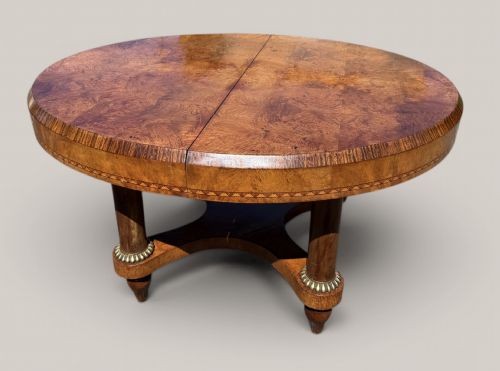

1930s Round Walnut Table
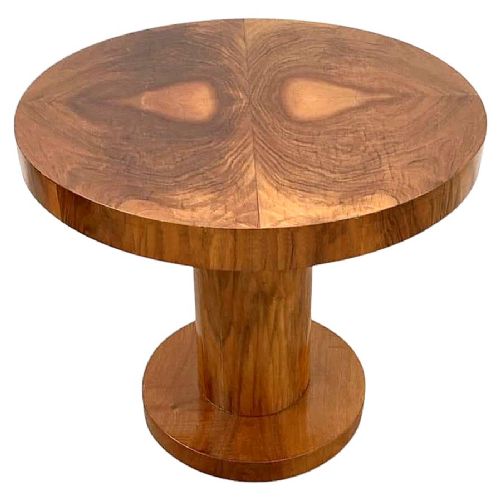
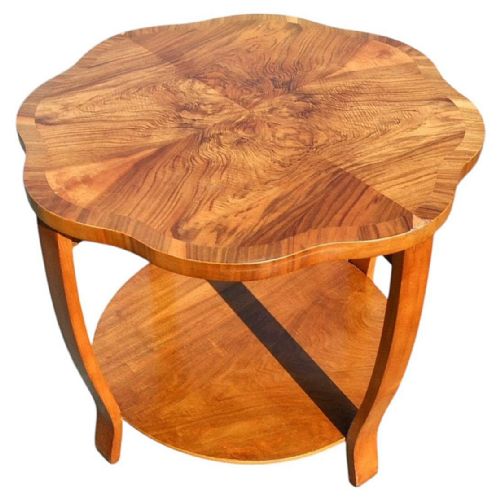
A 1930s round walnut table brings unmistakable Art Deco geometry and rich timber grain to a room.
1930s Round Walnut Table
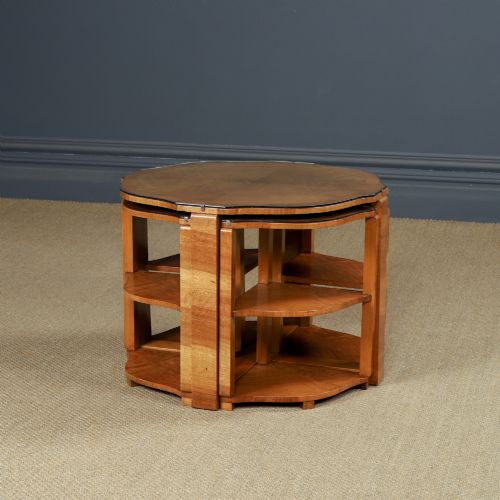
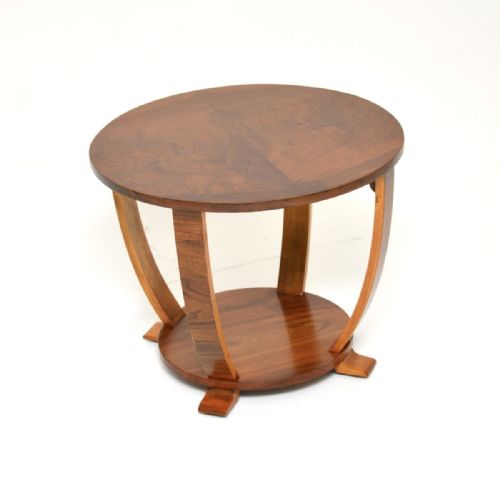
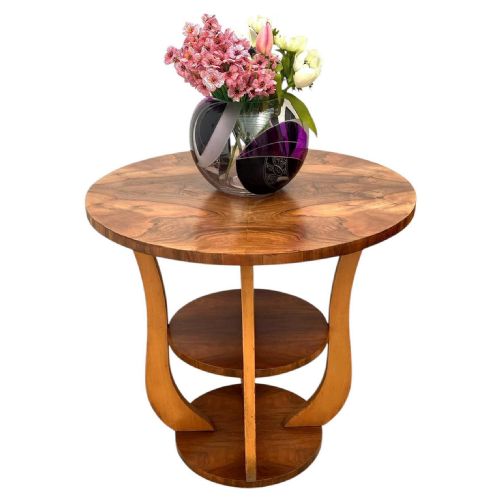
A 1930s round walnut table captures the streamlined aesthetic of the interwar period through circular tops and warm timber tones. The selection spans compact coffee tables, occasional pieces, tiered centre tables, and larger dining formats.
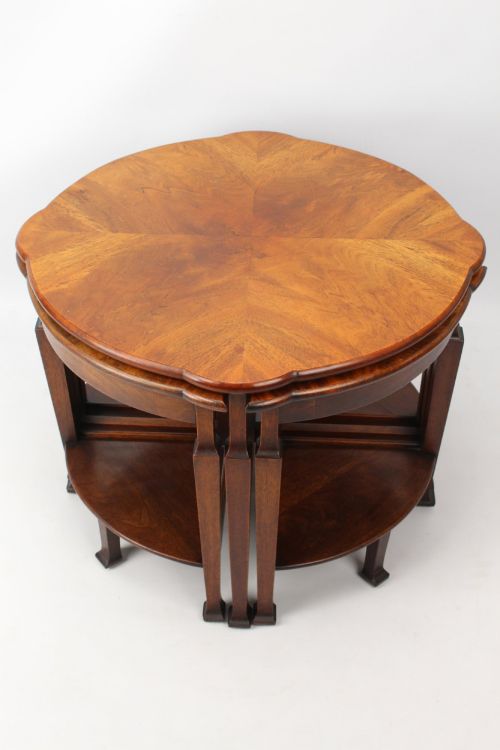
English and continental workshops produced these designs, often incorporating multiple tiers or nesting configurations. Buyers frequently encounter low coffee tables and functional side tables suited to modern interiors.
Materials and construction
Craftsmen utilised solid walnut alongside figured and burr walnut veneers to create striking surface patterns across circular tabletops. Selected examples integrate contrasting woods such as maple or incorporate glass panels into the design.
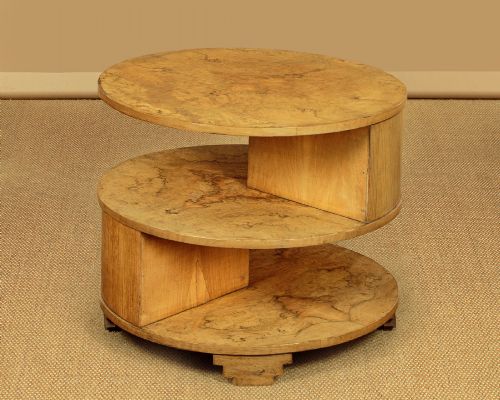
Construction techniques from the period prioritized geometric clarity, seen in multi-tiered centre tables and drum-shaped cabinets. Veneer work remains central to the visual depth of these pieces, matched carefully across the curved surfaces.
1930s Round Walnut Table Retail Price Guide 2026
Typical asking prices for 1930s round walnut table among the pieces listed under this phrase on Sellingantiques today, from the lower quarter to the upper quarter. They describe what is for sale here now, not the wider market.
Some tables double as illuminated cocktail hubs or secret card dens, proving that interwar furniture took entertaining very seriously indeed.
Indicators of quality
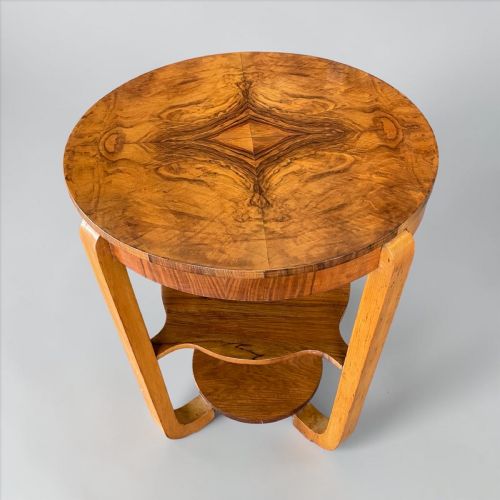
The sophistication of the veneer selection sets finer examples apart, particularly where burr or figured walnut exhibits complex grain movement across a round top. Superior pieces display seamless matching of the timber pattern from the centre outwards.
Structural complexity also defines the better tiers of production, such as metamorphic card tables, illuminated tops, or multi-tiered nesting sets. The precision of the joinery in circular frames and tiered supports dictates the overall integrity of the piece.
The 1930s Round Walnut Table Glossary
- Burr walnut
- A prized timber growth containing swirling, knotty patterns that create decorative grain figures on tabletops. It is sliced into thin veneers to display the complex natural design.
- Veneer
- A thin layer of superior wood applied over a stable secondary timber base to achieve a decorative surface. This technique allowed cabinet makers to showcase expensive grains efficiently.
- Art Deco
- A design style spanning the 1920s and 1930s characterised by streamlined geometric forms and modern materials. It replaced heavy Victorian ornamentation with clean, circular and linear profiles.
- Quintetto
- A specific style of nest containing five interlocking tables arranged in a circular formation. This clever design maximises surface utility while maintaining a compact footprint.
- Occasional table
- A versatile small-scale table designed for specific, intermittent use around a living space. These pieces function easily as side, lamp, or wine supports.
1930s Round Walnut Table: Frequently Asked Questions
Where should I place a round walnut table?
These tables fit naturally beside seating groups as coffee or side surfaces, or stand independently as a centrepiece in a hallway or reception room.
Smaller tiered or nesting versions adapt well to corners or smaller rooms where surface area needs to expand temporarily.
How do I care for walnut veneer?
Keep walnut furniture away from direct sunlight and heat sources to prevent the timber and underlying veneer from drying out or fading.
Dust regularly with a soft, dry cloth and avoid harsh chemical polishes that can damage the historical finish.
What is a metamorphic table?
A metamorphic table incorporates mechanical elements that allow it to transform from a standard surface into a game or card table.
These clever designs reflect the innovative spirit of interwar cabinet making, combining practicality with entertainment.
Are these tables strictly English?
While many examples originate from English workshops, continental European makers, particularly from France and Italy, also produced distinctive round walnut designs during this decade.
Continental pieces often lean further into experimental forms, such as drum-shaped cabinets and illuminated tops.