



1930s Oil on Canvas
When you collect a 1930s oil on canvas, you bring home the vibrant brushwork, diverse regional landscapes, and distinctive figurative studies of the interwar period.
1930s Oil on Canvas
A 1930s oil on canvas captures the artistic output of a dynamic decade, ranging from British portraiture and Scottish clan depictions to French post-impressionist landscapes and vibrant still lifes. Buyers searching this phrase look for authentic period works that reflect the distinct aesthetic movements of the interwar years.
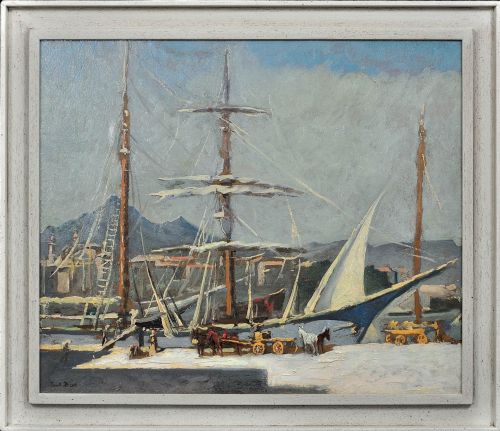
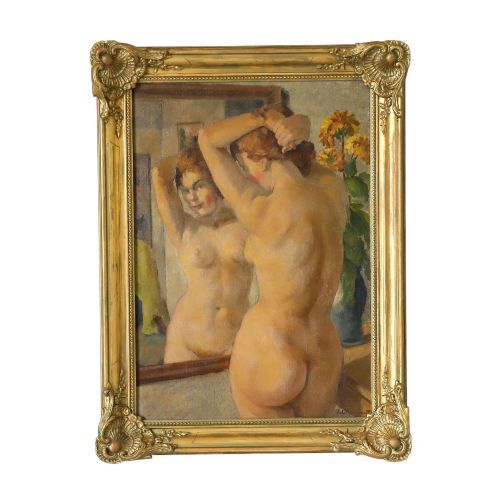
The selections available include marine impasto scenes, mythological nudes, architectural views of Venice, and intimate interior arrangements. These pieces span various European origins, prominently featuring British and French artistry alongside Swedish and Ukrainian perspectives.
Works commonly adhere to stylistic categories such as Art Deco, Post-Impressionism, and 20th Century Realism. Whether depicting sunlit Mediterranean ports or quiet pastoral settings, each canvas serves as a primary record of period brush technique and colour application.
Materials and construction
Artists of the period applied oil paint directly onto stretched woven canvas supports, frequently housing the finished works within original wood frames embellished with gilt detailing. The physical composition relies on traditional ground layers and oil pigments that capture light through impasto texture or thin, luminous glazes.
The mounting and framing often utilise period timber joinery to secure the canvas, preserving the structural integrity of the painting surface. Material combinations across the surviving works consistently pair oil paint and canvas with supportive wooden chassis and decorative surrounds.
The listings feature oil on canvas works spanning multiple decades, dominated by 1930 production dates alongside mid-century and nineteenth-century examples.
Distinguishing quality in period canvases
Quality separates through the assured handling of pigment, the complexity of the composition, and the fidelity of the framing to the era of creation. Superior examples demonstrate a confident command of light, colour harmony, and atmospheric depth, whether rendering a complex figurative study or a sparse interior.
The preservation of the original canvas tension and the integrity of the paint layer without extensive structural intervention distinguish the finest works. Hand-carved or period-matching gilt wood frames also elevate the presentation and historical completeness of the piece.
Paul Bret·Philippe de Rougemont·Margaret Maitland Howard·Elisabeth Bardon·Charles Walter Simpson·Henri Vincent-Anglade·Gustave Vidal·Gaetan Dumas·Georges Goursat·Philip Naviasky·Claude Jousset·Sir Matthew Smith·Yo Mayer·Burr Singer·Emile Compard
The 1930s Oil on Canvas Glossary
- Impasto
- Paint applied thickly to a canvas, standing out in relief from the surface so that brush or palette knife marks remain clearly visible. This technique adds tactile dimension and captures light dynamically across the painted scene.
- Post-Impressionism
- An art movement extending roughly from the late nineteenth century to the mid-twentieth century, characterised by a focus on symbolic content, expressive use of colour, and distinct brushwork. Artists working in this mode prioritized subjective vision over strict optical realism.
- Still Life
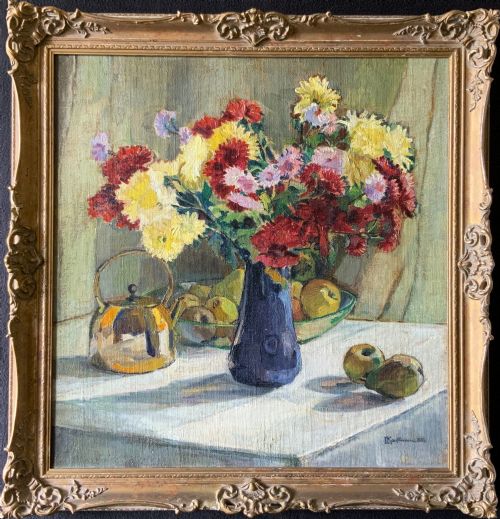
- A painting featuring an arrangement of inanimate objects, typically everyday items such as flowers, fruit, or tableware. These compositions allow artists to explore form, tone, and colour relationships within a controlled domestic setting.
- Gilt
- A thin layer of gold leaf or gold paint applied to wooden frames or decorative surfaces. It provides a reflective border that enhances the visual contrast of the oil painting contained within.
1930s Oil on Canvas: Frequently Asked Questions
How do I identify a 1930s oil painting?
Examination of the canvas weave, stretcher frame construction, and pigment characteristics provides initial clues regarding the era of creation. Stylistic markers tied to Art Deco and Post-Impressionism further help contextualise the painting.
Signatures, exhibition labels, and framing materials often corroborate the decade of production when cross-referenced with recorded artist biographies and known regional schools.
What subjects are common in these paintings?
Common subjects include coastal harbours, pastoral landscapes, floral still lifes, and figurative nudes or portraits. Artists frequently recorded local scenery during travels across Britain, France, and the Mediterranean.
Domestic interiors and architectural scenes from cities like Venice also appear regularly, reflecting the diverse observational interests of interwar painters.
How should I care for an oil on canvas?
Display the painting away from direct sunlight and fluctuating humidity levels to protect the organic canvas support and oil pigments. Stable indoor environments prevent the wood stretcher from warping and the paint layer from cracking.
Dust the surface gently with a soft, dry brush and avoid liquid cleaners or chemical solvents. Professional conservators should handle any structural repairs or varnish removal.
Are most of these works framed?
Many surviving works retain their period wood frames, which are sometimes finished with gilt details appropriate to the style of the painting. Original frames complement the aesthetic and historical context of the artwork.
When a piece lacks its original housing, pairing it with a period-appropriate frame helps preserve the visual balance intended by the maker.