
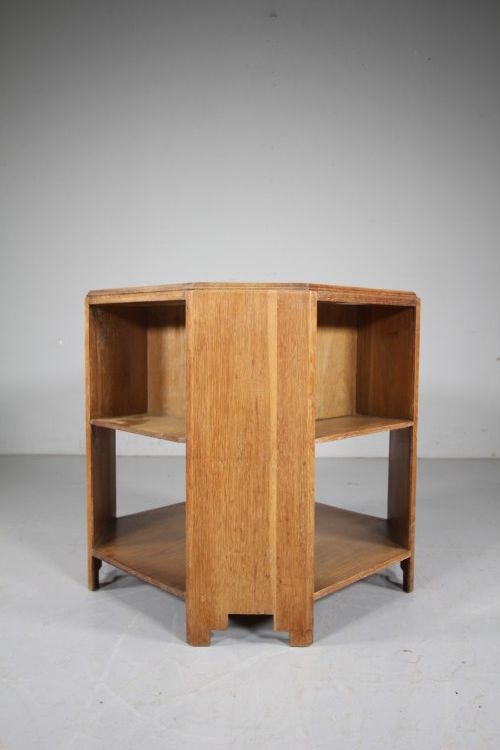


1930s Oak Occasional Table
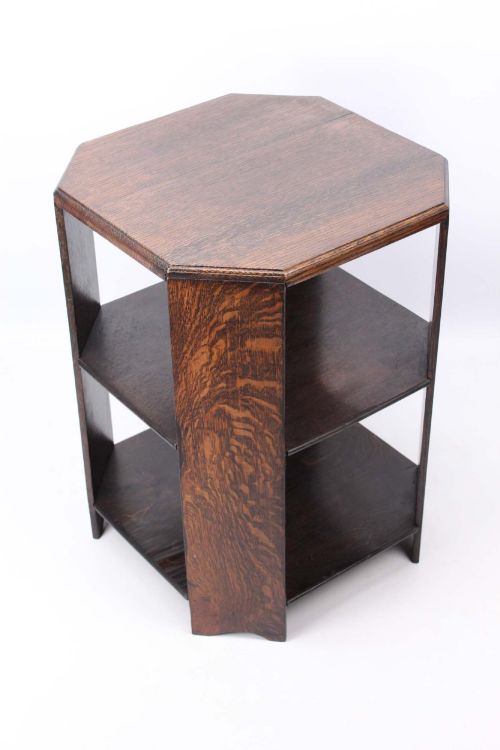
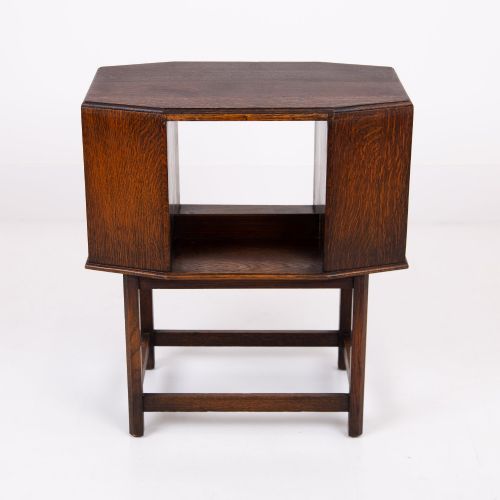
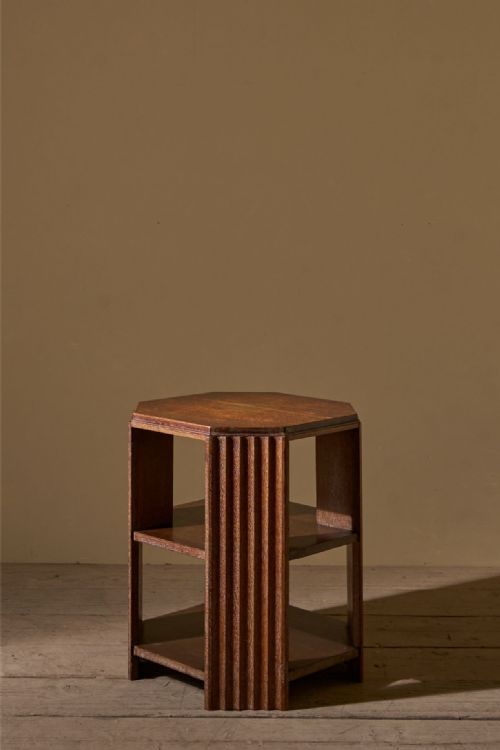
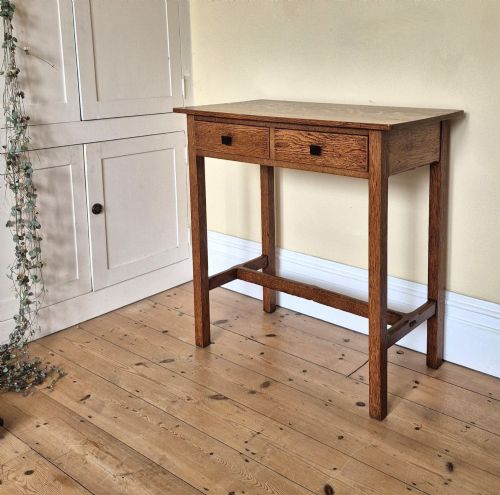
These 1930s oak occasional table examples bring compact utility and architectural character to a room, offering sturdy surfaces built for daily use.
1930s Oak Occasional Table
A 1930s oak occasional table encompasses practical side tables, coffee tables, book tables, and nests of tables designed for domestic utility. Buyers seeking these items will frequently encounter Art Deco and Jacobean Revival aesthetics that define the period's output.
The forms range from octagonal side tables with integrated storage to modernist blonde wood coffee tables and traditional pieces featuring barley twist legs. Pieces attributed to workshops such as Hubert Simpson of Kendal or retailers like Heal's appear alongside unassigned English vernacular work.
Most examples rely on oak timber, oak veneer, and limed oak finishes to achieve their distinctive surface textures. These compact surfaces adapt easily to modern interiors while retaining the geometric lines and robust construction typical of 1930s furniture.
Materials and construction
Construction relies heavily on solid oak and oak veneer over timber foundations, sometimes enhanced with ebonised wood details or lighter limed oak surface treatments. Cabinetmakers utilised natural grain patterns to decorative effect, pairing plain surfaces with contrasting dark accents.
Leg structures vary from simple bentwood and straight modernist supports to traditional turned barley twist configurations. Integrated shelving and storage compartments demonstrate efficient spatial design suited to smaller interwar homes.
Listings feature oak, limed oak, and oak veneer alongside ebonised wood and bentwood across multiple table forms.
Assessing build and design
Quality rests on the selection of timber, the precision of veneering work, and the structural integrity of joints. Solid oak frames and carefully matched veneers signal superior craftsmanship compared to plain utility pieces.
Proportion and design ambition separate standard production items from pieces bearing strong Art Deco modernist lines or specific workshop attributions. The integration of functional elements such as book storage or clever tiering also elevates a piece.
Hubert Simpson of Kendal
The 1930s Oak Occasional Table Glossary
- Limed oak
- A finishing technique that applies a white or pale pigment into the open grain of oak to create a pale, textured surface. This treatment gained popularity during the interwar decades for modern interior schemes.
- Barley twist
- A turned wooden leg shaped in a continuous spiral resembling a twisted rope. This traditional woodworking detail appears frequently on revival furniture from the period.
- Veneer
- A thin layer of superior wood adhered to a standard timber base to provide a decorative surface. It allowed makers to display dramatic grain patterns without using solid costly lumber throughout.
- Nest of tables
- A set of graduated tables designed to slide neatly underneath one another to save floor space. They emerged as a popular space-saving solution in 1930s homes.
- Ebonised wood
- Timber treated with a chemical stain or black finish to imitate ebony. It provides stark visual contrast against blonde oak surfaces in modernist designs.
1930s Oak Occasional Table: Frequently Asked Questions
How do I date a 1930s table?
Examine the timber selection, hardware, and structural styling such as characteristic Art Deco geometry or limed finishes. Construction methods and design proportions typically align with interwar manufacturing standards.
Compare the piece against documented examples from makers and retailers of the era. Subtle details like bentwood elements or ebonised accents often point directly to the period.
Where did people use these tables?
These compact pieces served beside armchairs, in hallways, or as central coffee tables in living spaces. Book tables and nests provided practical solutions for smaller interwar rooms.
Their adaptable sizes allowed them to function as lamp tables or convenient surfaces for tea and reading materials.
Are these tables solid oak?
Many examples utilise a combination of solid oak framing and applied oak veneer over a timber core. Veneering allowed makers to display striking grain patterns efficiently.
Inspect the edges and surfaces to distinguish between solid construction and veneered panels, as both methods were common practice.
How do I care for limed oak?
Dust regularly with a dry cloth and avoid harsh chemical cleaners that might strip the pale pigment from the grain. Keep the timber away from direct heat sources and excessive moisture.
Occasional application of appropriate wax helps protect the surface while preserving the characteristic textured finish.