

1930s Mechanical Timepieces
These 1930s mechanical timepieces combine precision horology with sharp geometric design, offering practical desk accessories and wearable pocket watches.
1930s Mechanical Timepieces
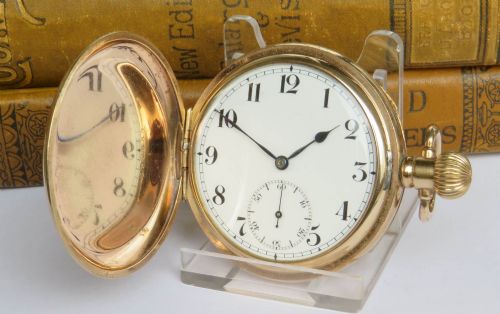
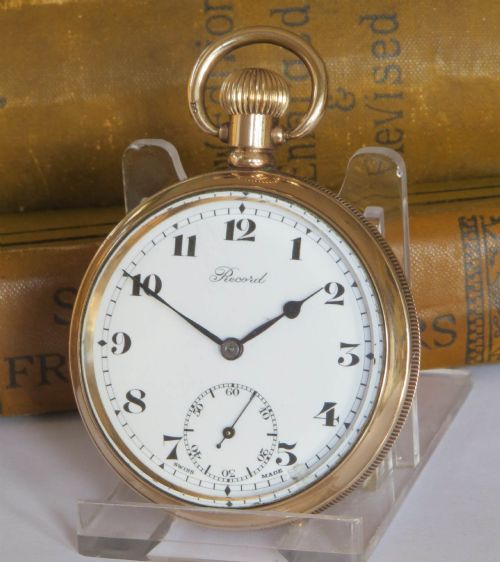
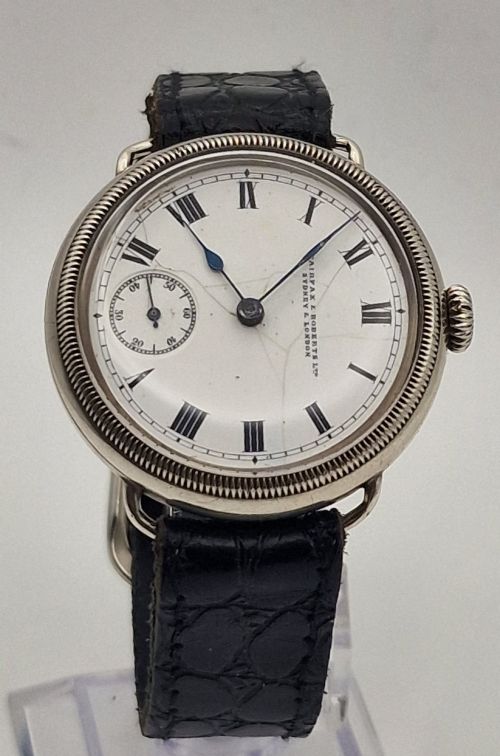
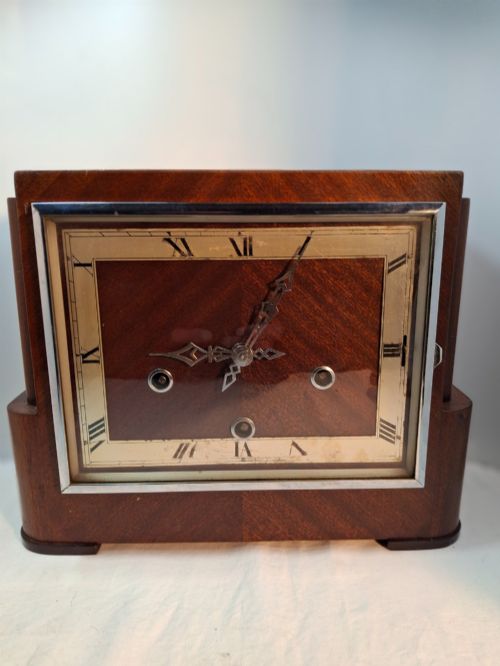
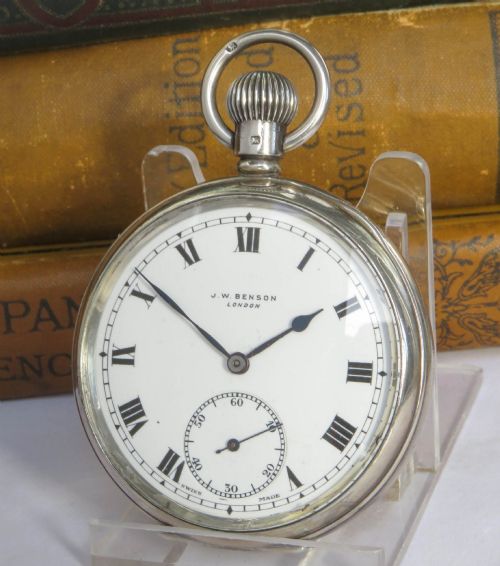
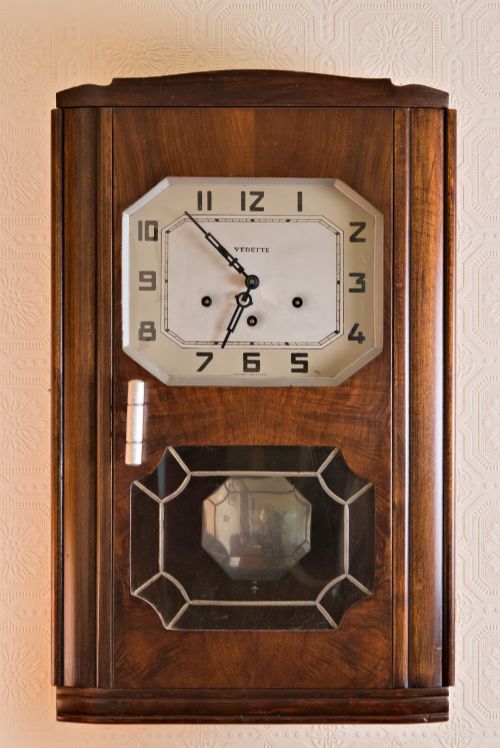
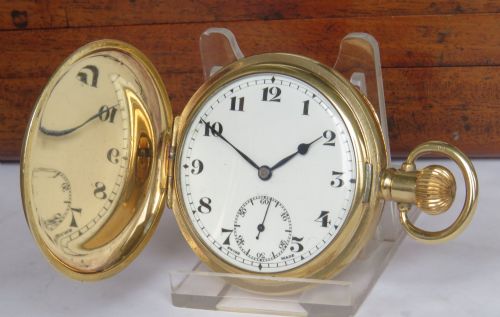
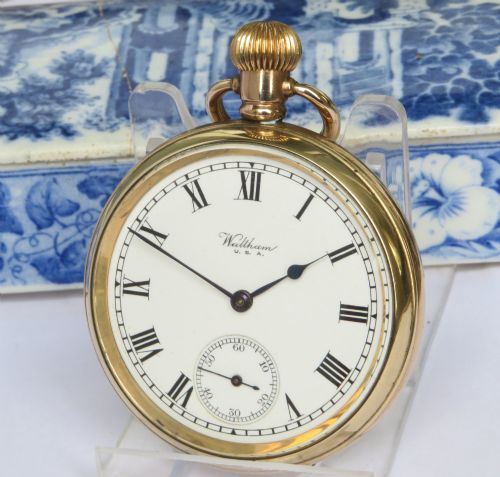
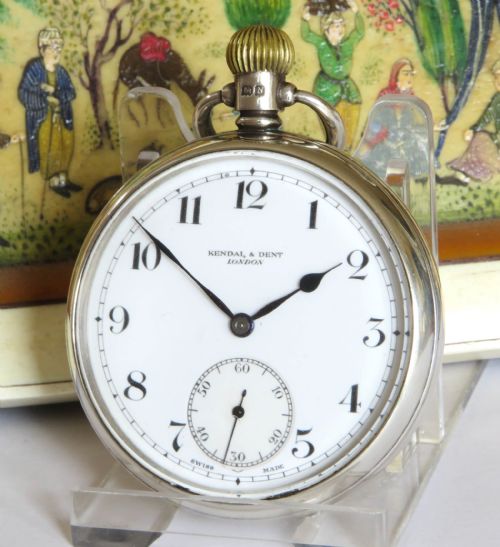
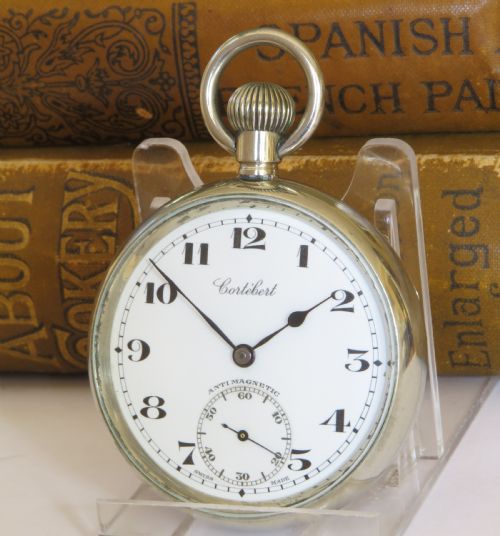
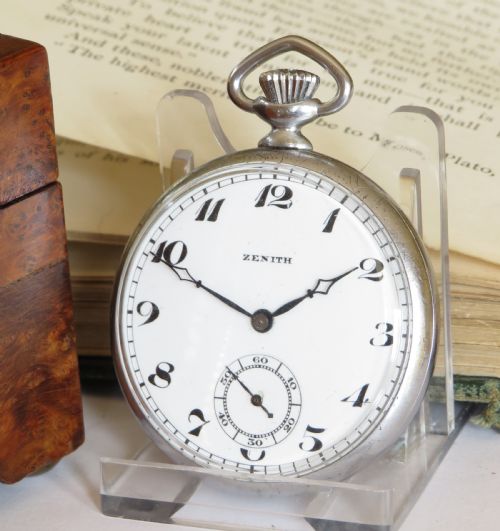
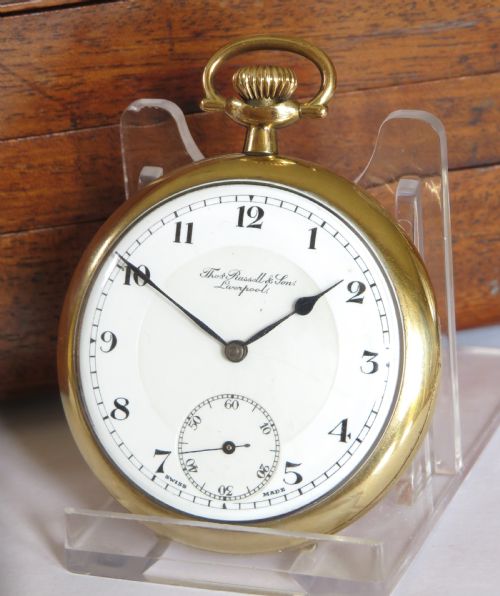
When you search for 1930s mechanical timepieces, you encounter a diverse selection of pocket watches, wristwatches, and desk clocks spanning the Art Deco period. These objects bridge the gap between functional timekeeping and modernist design, emerging from Swiss and English workshops.
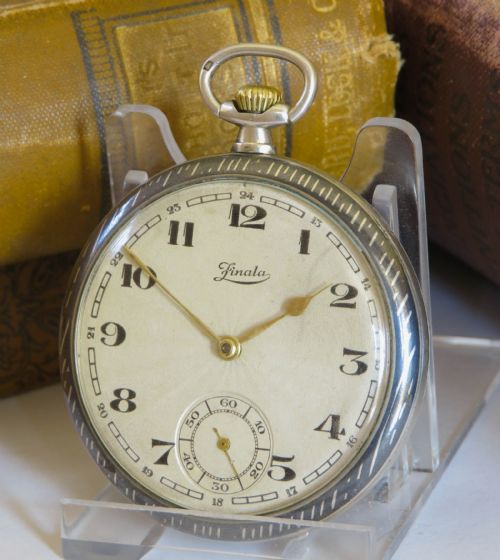
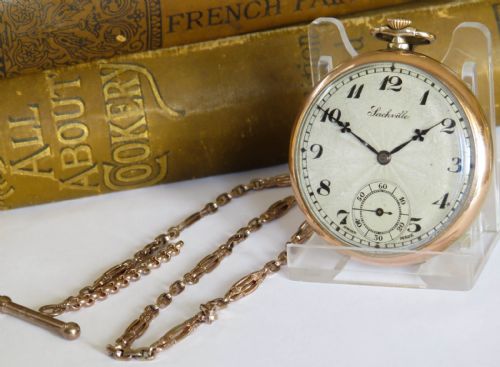
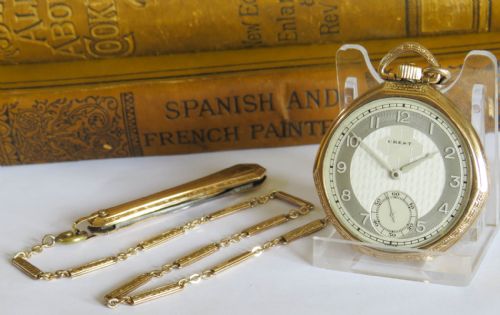
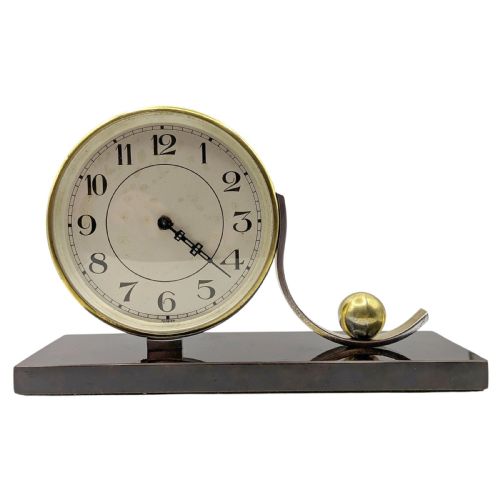
The most common form on this page is the pocket watch, often rendered in silver or chrome and accompanied by a matching chain. Desk clocks and mantel clocks also appear frequently, utilising materials like glass, marble, and chrome to capture the aesthetic of the era.
Materials and Construction
Maker workshops built these movements using brass and steel components housed within cases of silver, gold plate, or chrome-plated metal. Enamel dials and glass crystals protect the internal escapements, while specialised desk clocks integrate heavy materials like marble and Bakelite for stability.
Horologists employed manual stem-winding and eight-day movements to drive the hands. Exterior housings frequently incorporated geometric Art Deco styling, combining metalwork with contrasting glass panels and leather straps.
1930s Mechanical Timepieces Retail Price Guide 2026
Typical asking prices for 1930s mechanical timepieces among the pieces listed under this phrase on Sellingantiques today, from the lower quarter to the upper quarter. They describe what is for sale here now, not the wider market.
Several travel clocks fold neatly into their own leather-bound cases, designed to survive the bumps of an international train journey.
Judging Quality
Quality rests upon the refinement of the movement and the integrity of the case construction rather than mere age. Finer examples display clean Swiss movements, unblemished enamel dials, and crisp geometric detailing on the exterior housing.
The degree of preservation in plated finishes and the smoothness of the manual winding mechanism distinguish superior items from standard utilitarian pieces. Original matched chains and specialised maker signatures elevate the standing of individual watches.
J W Benson·Kendal & Dent·Thomas Russell and Son·Smiths Clockmakers
The 1930s Mechanical Timepieces Glossary
- Half hunter
- A pocket watch case featuring a small glass or open circle in the front cover, allowing the user to read the time without opening the case.
- Stem winding
- A mechanism that permits the mainspring to be wound via the crown attached to the stem, replacing older key-wound systems.
- Bakelite
- An early synthetic plastic utilised for clock bases and housings during the period, known for its durable and glossy finish.
- Albert
- A chain attached to a pocket watch, traditionally secured to a waistcoat buttonhole.
- Escapement
- The internal mechanical linkage that controls the release of power from the mainspring to regulate the movement of the hands.
1930s Mechanical Timepieces: Frequently Asked Questions
How do I wind a manual pocket watch?
Turn the crown clockwise between your thumb and forefinger until you feel gentle resistance. Stop immediately to avoid over-tensioning the internal spring.
Wind the piece at a consistent time each day to maintain steady tension and accurate timekeeping across the movement.
What is an eight day clock?
An eight day clock is a timepiece engineered to run for slightly more than a week on a single wind. This reduced the frequency of maintenance required by the owner.
These movements typically populate desk clocks and mantel clocks from the period rather than wearable timepieces.
Are these desk clocks suitable for daily use?
Mechanical desk clocks function reliably in modern spaces provided they receive periodic professional servicing and gentle handling. Avoid placing them near strong magnetic fields or areas subject to heavy vibrations.
Manual winding should occur steadily on a flat surface to protect the internal escapement from undue strain.
How do I identify Art Deco styling?
Art Deco timepieces feature symmetrical geometric patterns, stark linear numerals, and contrasting metallic finishes. Designers utilised materials like chrome, glass, and marble to project a modern industrial aesthetic.
Dial typography often employs stylized sans-serif numbers arranged in a radial pattern around the centre.