



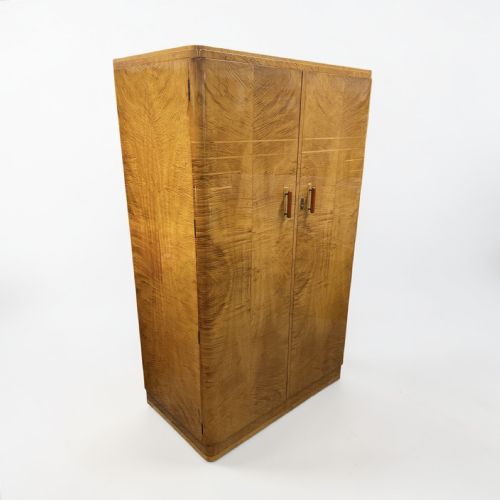
1930s Linen Press
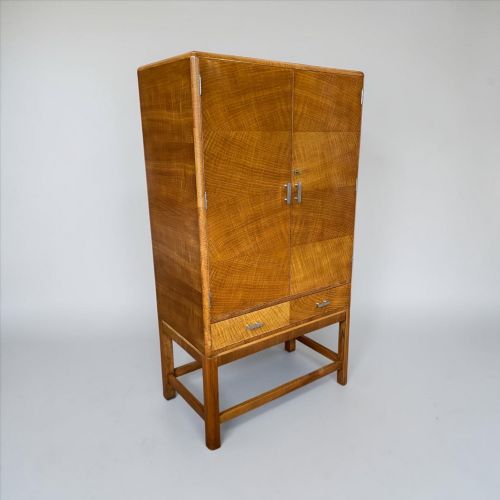
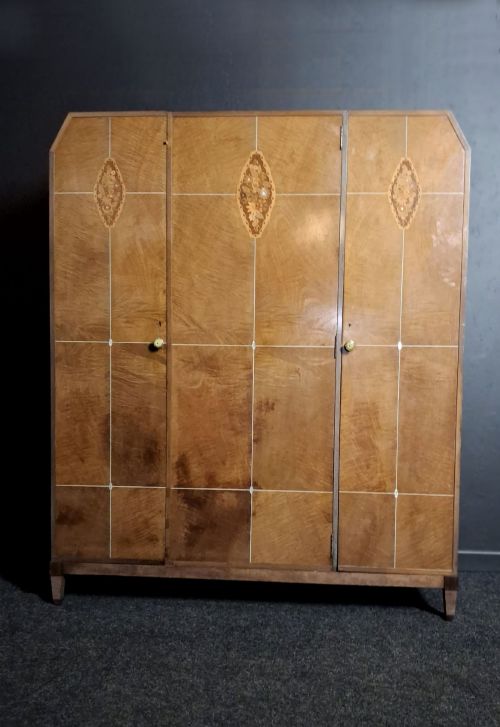
A 1930s linen press brings architectural symmetry and generous storage to a bedroom through distinctive period veneers.
1930s Linen Press
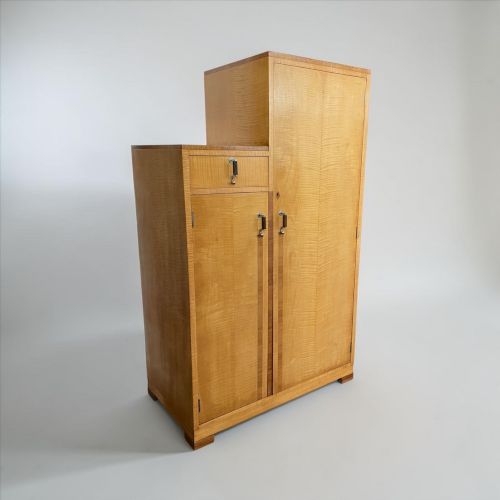
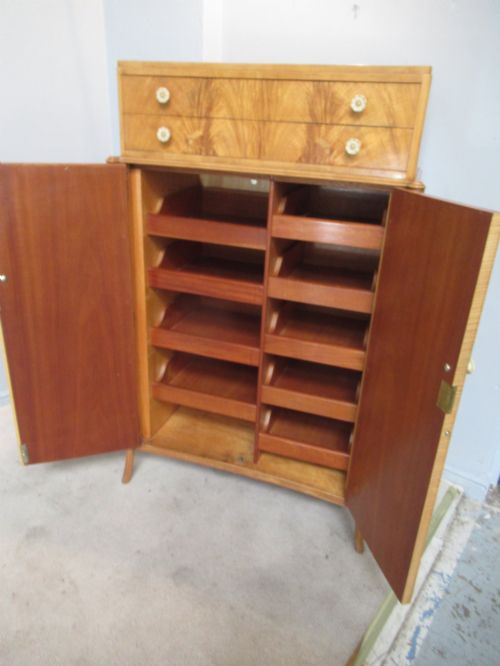
A 1930s linen press combines vertical clothes storage with internal drawer sets, frequently emerging in Art Deco designs that prioritize clean geometric lines. These pieces serve as substantial bedroom furniture pieces designed to house folded textiles and garments efficiently.
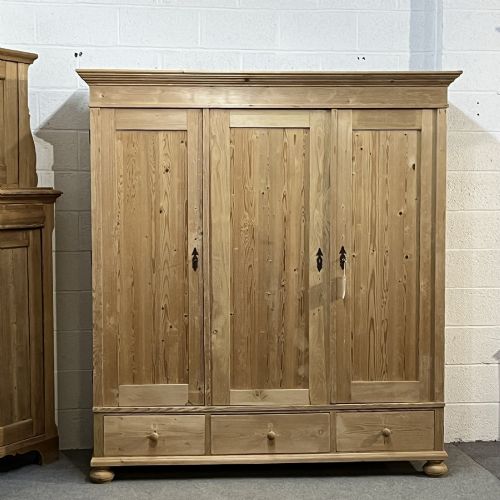
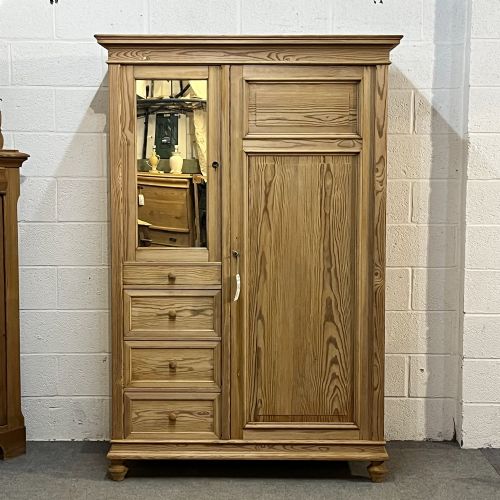
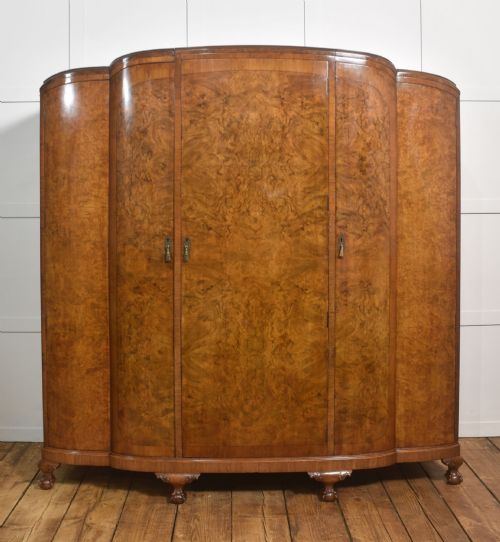
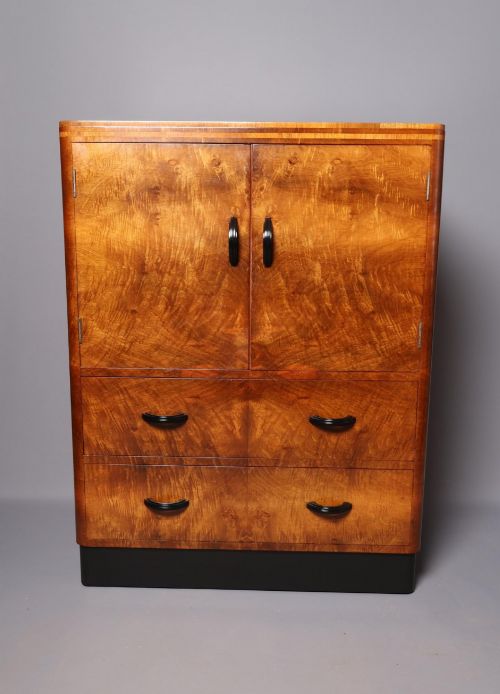
Most examples encountered on this page date from the 1930s and lean heavily into Art Deco styling, though occasional 1940 pieces appear alongside 1930s country variants. Forms range from dedicated compactums and tallboys to multi-door wardrobes fitted with internal compartmentalisation.
Makers often integrated hanging space alongside linen slides and drawers within a single carcass. Buyers frequently find tallboy cabinets and compactum wardrobes that make maximum use of vertical room in period interiors.
Factors of quality
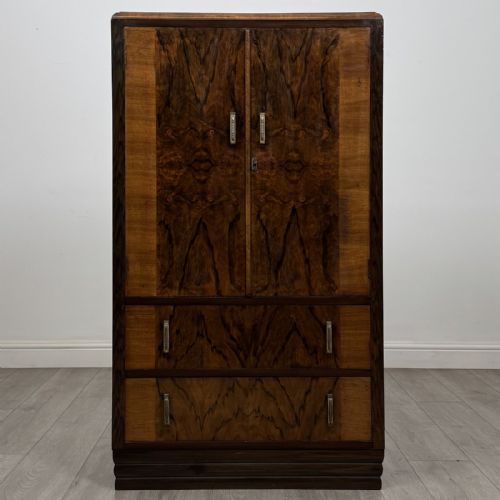
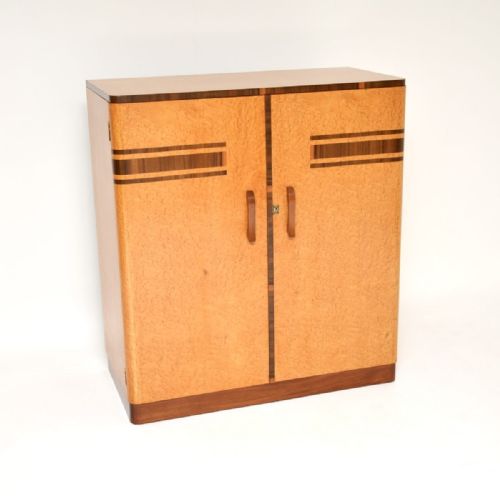
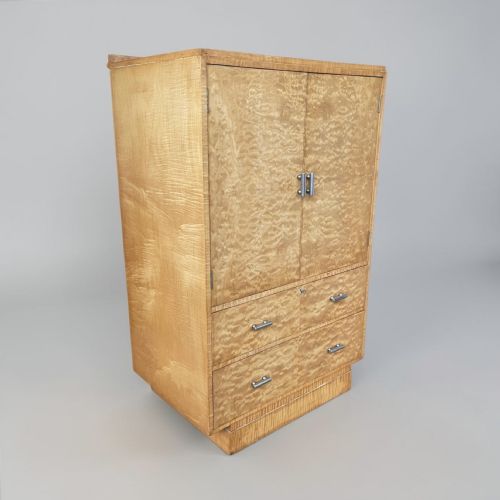
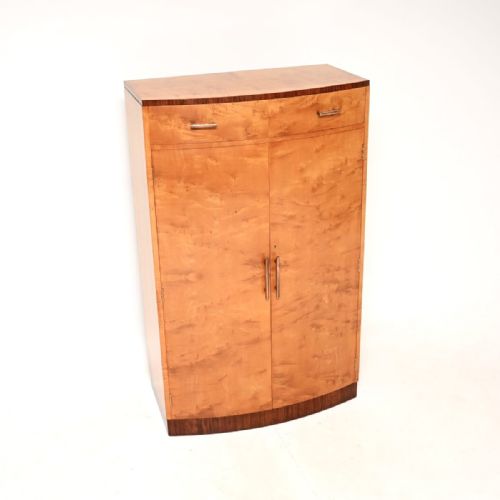
Quality rests primarily on the selection and matching of wood veneers, particularly how burr walnut or birds eye maple grain flows across drawer fronts and cupboard doors. Superior pieces display deliberate book-matching where the natural figure of the timber creates symmetrical geometric patterns.
The integrity of internal fittings such as sliding linen trays, original brass handles, and working locks distinguishes better examples. Construction depth and the weight of solid timber carcase elements further separate standard production pieces from finer workshop commissions.
1930s Linen Press Retail Price Guide 2026
Typical asking prices for 1930s linen press among the pieces listed under this phrase on Sellingantiques today, from the lower quarter to the upper quarter. They describe what is for sale here now, not the wider market.
Listings feature walnut, burr walnut veneer, maple, birds eye maple, and satin birch alongside brass and bakelite hardware.
Betty Joel·Heal's·Harry and Lou Epstein
The 1930s Linen Press Glossary
- Compactum
- A multi-function wardrobe featuring a combination of hanging space, shelves, and internal drawers within one unified cabinet.
- Tallboy
- A high chest of drawers or a small wardrobe standing on a chest base, designed to save floor space while offering ample capacity.
- Burr Walnut
- Wood cut from a walnut tree growth or burl, prized for its swirling, highly figured grain pattern used in decorative veneering.
- Birds Eye Maple
- Timber featuring small, circular markings resembling tiny birds' eyes, created by localized disruptions in the wood grain growth.
1930s Linen Press: Frequently Asked Questions
What is a compactum wardrobe?
A compactum wardrobe is a combined storage unit that integrates hanging space, shelves, and internal drawers into a single piece of furniture. It was designed to offer maximum storage organisation within a reduced footprint.
These units often feature specialised compartments for folded linens, accessories, and garments, making them versatile additions to modern bedrooms.
How do I care for walnut veneer?
Walnut veneer requires protection from direct sunlight and excessive moisture to prevent fading and lifting of the thin wood layer. Dust regularly with a soft cloth and apply appropriate furniture wax sparingly.
Avoid placing these cabinets near heat sources like radiators, which can dry out the timber and cause the veneer to crack over time.
Are these pieces strictly Art Deco?
While the vast majority of pieces from this decade embrace geometric Art Deco styling, examples also include 1930s country variations. The aesthetic spans from highly figured burr walnut statement pieces to simpler painted or polished wood finishes.
Design influences focused on clean vertical lines, symmetrical grain patterns, and contrasting light and dark wood tones.
How do tallboys differ from standard wardrobes?
Tallboys are built taller and narrower than conventional wardrobes, frequently incorporating a chest of drawers base beneath upper cabinet doors. They were specifically built to accommodate folded garments and linen rather than long hanging coats.
This proportion makes them suitable for rooms where wall space for wide wardrobes is limited.