

1930s Leather Seat
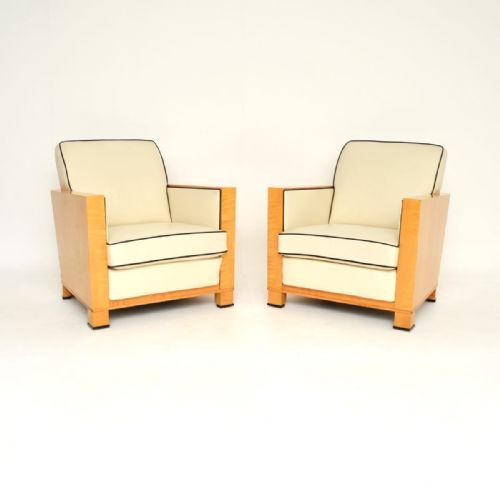
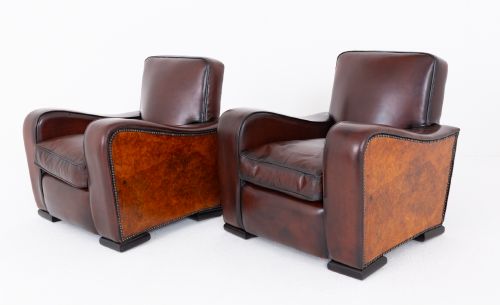
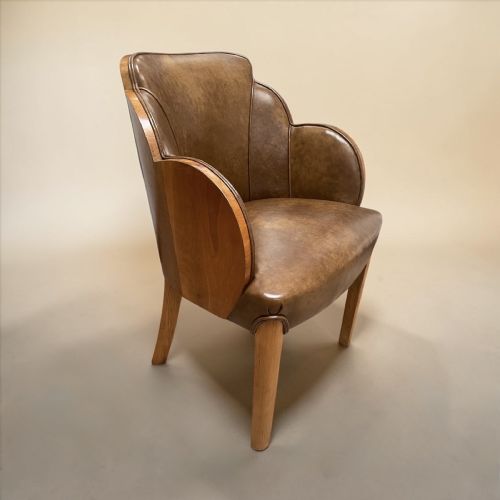
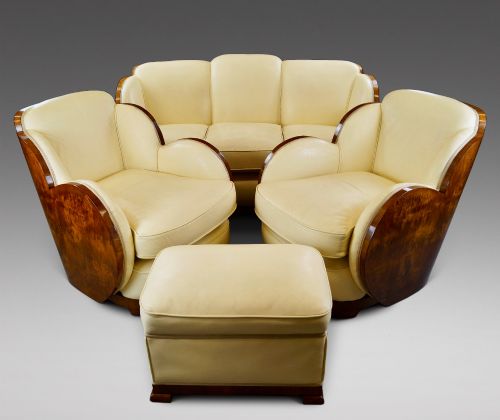
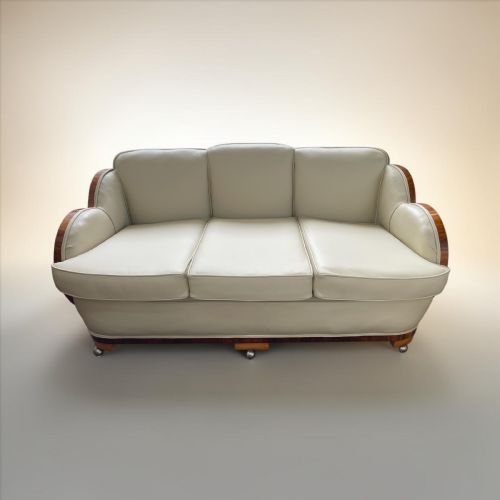
A 1930s leather seat brings substantial comfort and distinctive period character to a room through robust hides and sculptural woodwork.
1930s Leather Seat
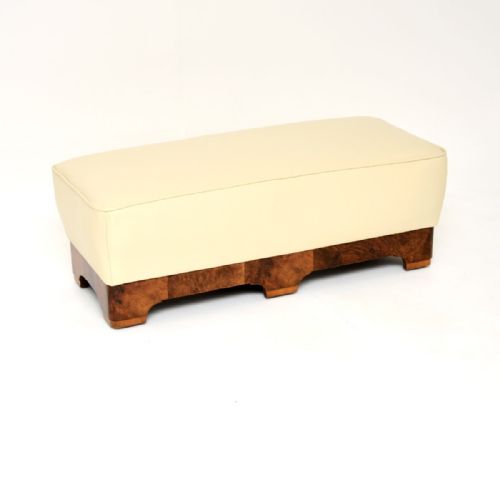
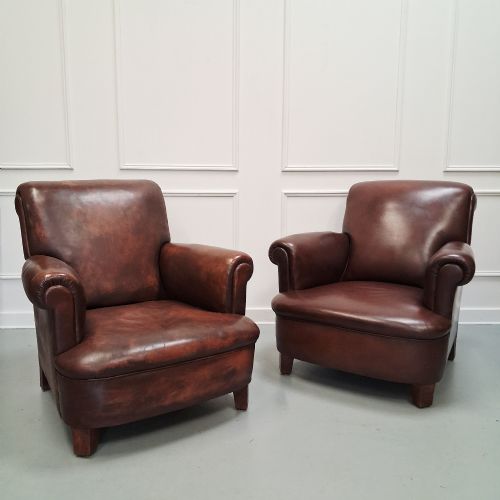
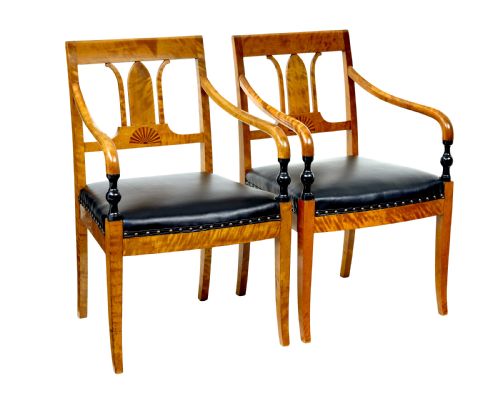
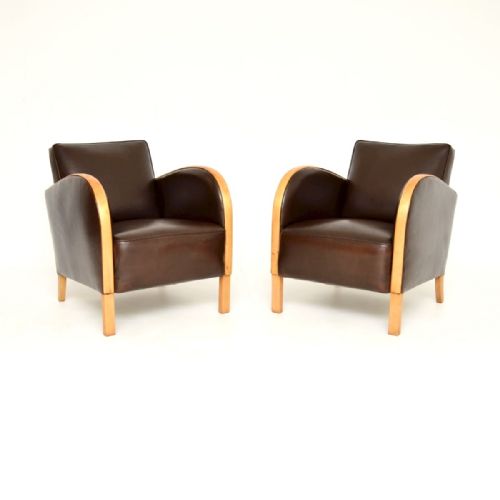
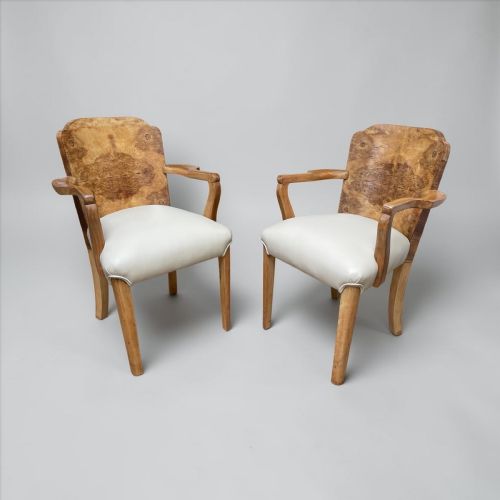
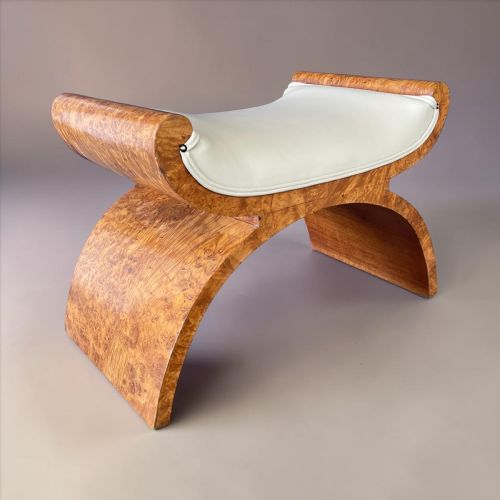
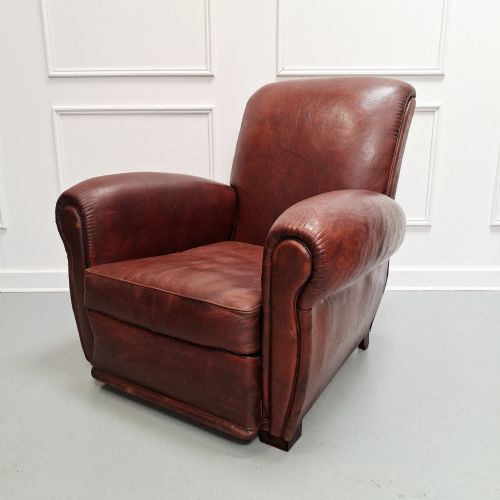
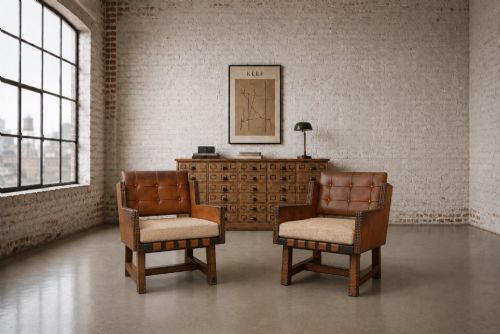
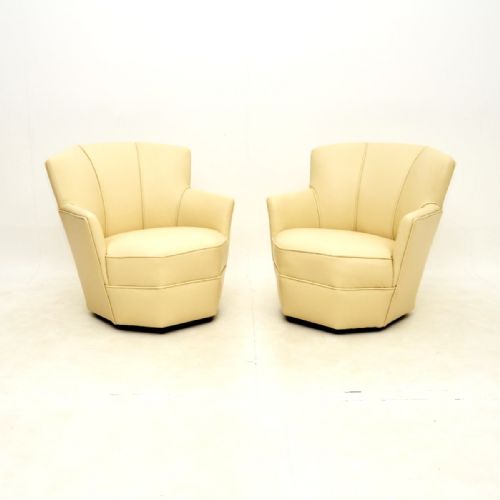
When searching for a 1930s leather seat, buyers encounter a robust array of functional seating designed during an era of significant stylistic shifts. The selection on this page centres predominantly upon armchairs, club chairs, and lounge suites, alongside smaller forms such as stools and side chairs.
Most pieces date from the 1930 period, with occasional examples extending into adjacent decades and styles including Art Deco and Georgian Revival. Buyers will regularly find seating upholstered in supple leather, paired with exposed timber frames that define the silhouette of the furniture.
Materials and construction
The construction relies heavily on durable hardwoods like timber, walnut, burr walnut, birch, and satin birch to form the internal frames and decorative veneers. Metal and brass components frequently provide structural support or functional hardware.
Upholstery techniques utilise quality leather hides stretched over supportive padding, frequently incorporating button-back detailing on club chairs and sofas. Wood surfaces receive polished finishes to highlight the natural grain of the burr walnut or maple.
Current listings feature seating constructed from leather, walnut, burr walnut, birch, satin birch, and brass.
Distinctions in quality
The distinction between standard commercial seating and exceptional examples lies in the selection of timbers and the execution of the woodwork. Figured veneers like burr walnut or satin birch elevate the visual weight of a chair compared to plain timber frames.
Upholstery integrity and leather suppleness dictate the longevity and tactile appeal of each piece. Maker attribution and stylistic purity within Art Deco or revival designs further separate standard seating from exceptional examples.
Hille·Harry and Lou Epstein
The 1930s Leather Seat Glossary
- Art Deco
- A design style characterised by sleek geometric shapes, streamlined forms, and stylised ornamentation popular during the interwar period.
- Club Chair
- A heavily upholstered comfortable armchair, traditionally featuring deep seating and leather upholstery.
- Burr Walnut
- A wood veneer taken from the burl growth of a walnut tree, yielding complex, swirling grain patterns highly prized in fine cabinetry.
- Satin Birch
- A pale, fine-grained hardwood utilised extensively for light-toned cabinet work and modern seating frames during the early twentieth century.
- Button-Back
- An upholstery method where depressions are created in the padding by pulling buttons deep into the stuffing, securing the fabric in a patterned grid.
1930s Leather Seat: Frequently Asked Questions
How do I identify a 1930s club chair?
Look for low-slung, deep-seated proportions combined with rounded armrests and smooth leather upholstery. These elements reflect the heavy emphasis on comfort prevalent in seating from this specific decade.
Examine the woodwork and underframe for construction methods consistent with interwar cabinet making. Genuine examples typically feature solid timber frames beneath the leather rather than modern manufactured board.
Are dressing table stools practical for daily use?
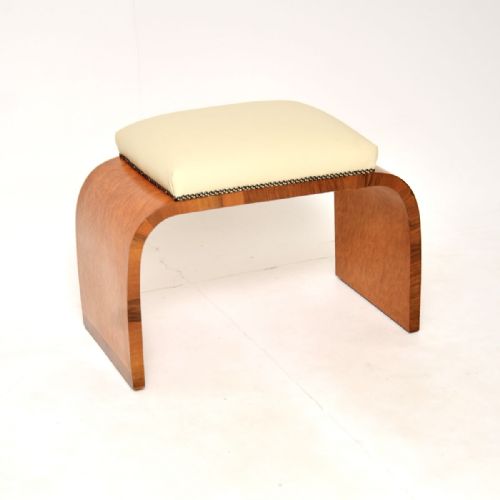
Dressing table stools provide compact, movable seating options that fit neatly beneath desks or vanities. Their sturdy wooden frames and compact leather pads withstand frequent repositioning around a room.
While originally intended for vanity use, their modest footprint makes them versatile as piano stools or casual perches in hallways and bedrooms.
How do Art Deco chairs differ from George I revival pieces?
Art Deco chairs emphasise streamlined curves, exotic wood veneers like burr walnut, and modern geometric styling. They prioritize visual drama and machine-age aesthetics.
George I revival chairs draw inspiration from earlier eighteenth-century English furniture traditions. They typically feature traditional wingback silhouettes, darker hardwood frames, and classical proportions.