


1930s Glazed Bookcase
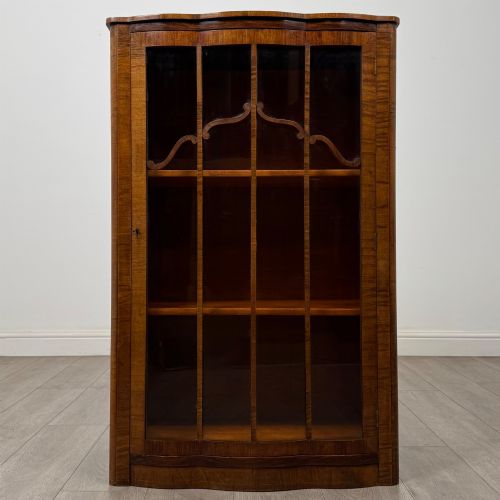
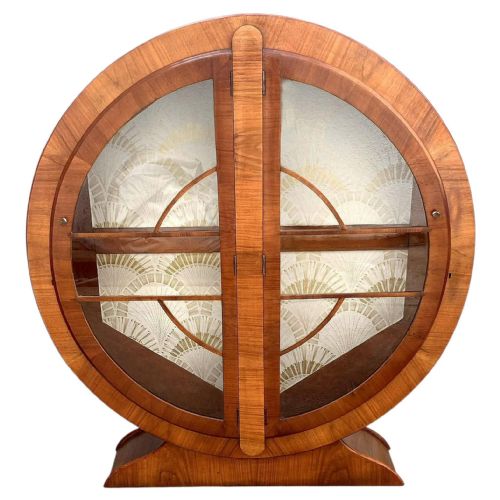
A 1930s glazed bookcase brings together glass and timber to house volumes while displaying treasured objects.
1930s Glazed Bookcase
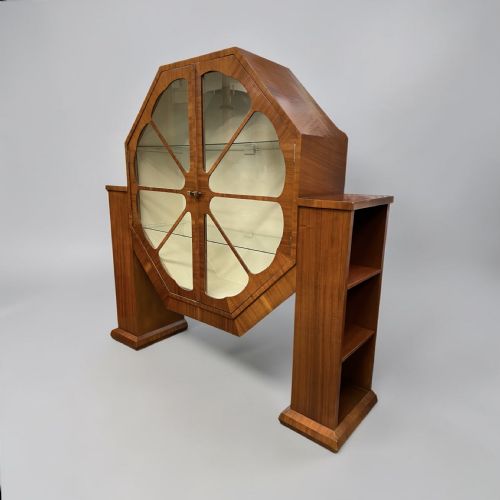
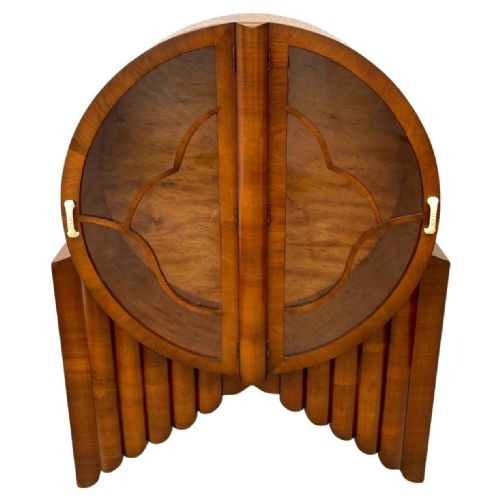
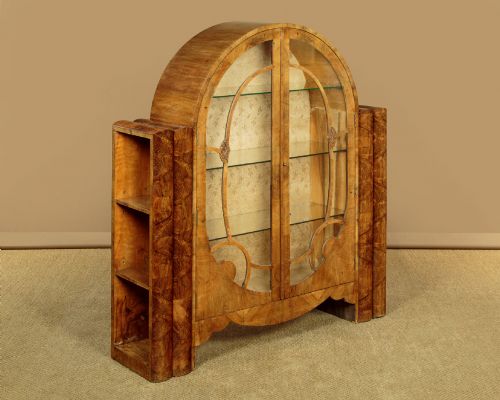
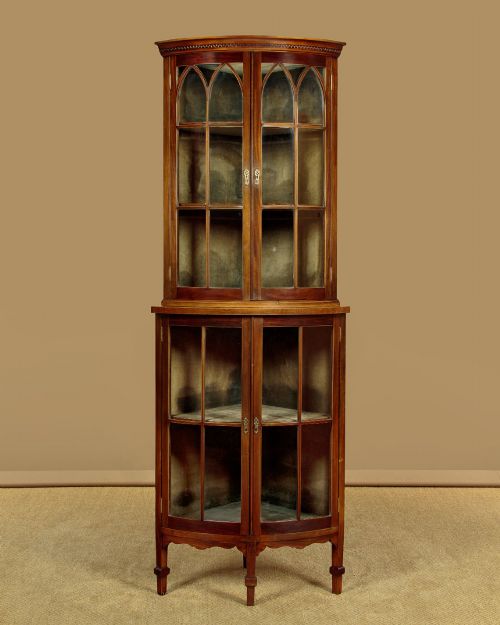
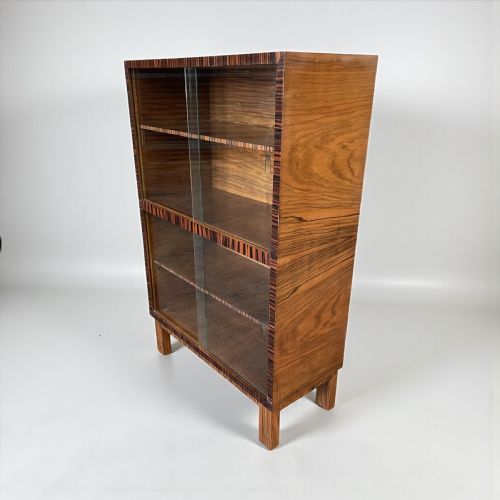
Forms vary considerably from circular and hexagonal shapes to traditional upright formats, bureau cabinets, and corner units. Oak and walnut serve as the primary foundations, frequently augmented by glass doors that protect books and display items.
Materials and construction
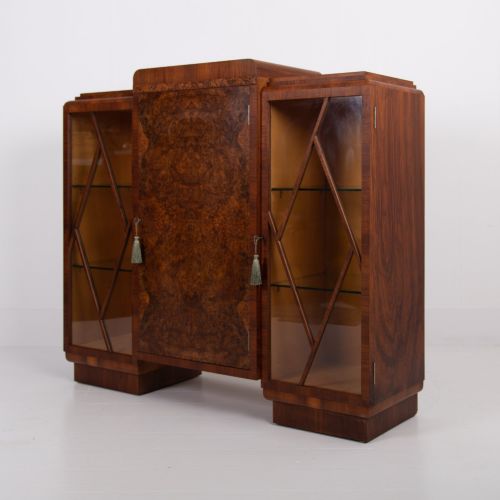
Walnut, burr walnut, and oak dominate the construction, providing robust framing and rich grain patterns for the cabinets. Artisans utilised mahogany, sycamore, and brass mounts to add contrast and structural detail.
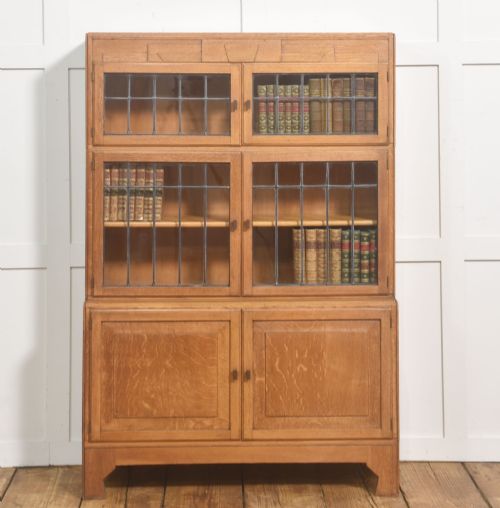
Glass panels are fitted into doors, ranging from simple leaded panes to curved and cathedral shapes that require specialist glazing techniques. Fabric linings and occasional brass hardware complete the interior and exterior finish.
Listings demonstrate a strong preference for walnut and oak timbers, accompanied by glass and brass elements across various cabinet forms.
Distinguishing quality
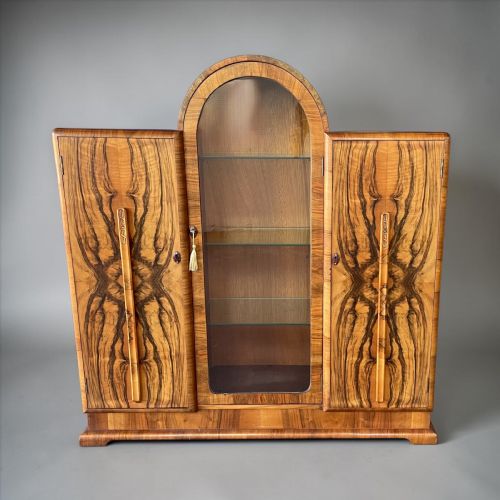
The distinction between standard and exceptional pieces rests upon timber selection and the complexity of the cabinetwork. Pieces utilising matched burr walnut veneers or combining sycamore accents demonstrate higher levels of workshop skill.
Unusual geometries, such as circular, hexagonal, or rocket formats, require advanced joinery compared to standard rectangular bookcases. The integration of specialist glass work and quality brass mountings further separates exceptional cabinets from routine utility items.
Rurka·Maurice Adams·Epstein
The 1930s Glazed Bookcase Glossary
- Vitrine
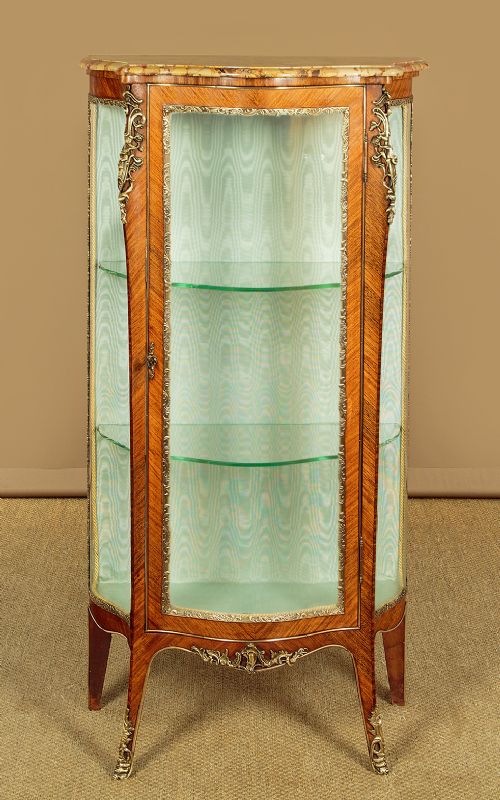
- A glass-fronted cabinet designed for displaying fine objects or porcelain. These pieces often feature glass sides to maximise light penetration.
- Burr walnut
- A prized timber harvested from walnut tree growths, producing intricate, swirling grain patterns. It is frequently used for decorative veneering on cabinet doors.
- Leaded glass
- Small panes of glass held together by strips of lead, forming geometric or decorative patterns. This technique appears commonly on interwar bookcase doors.
- Bureau cabinet
- A hybrid form combining a writing desk with a glazed bookcase upper section. The writing surface typically folds down or pulls out for use.
- Sycamore
- A light-coloured hardwood utilised for contrasting inlay and interior cabinet work. It provides a bright visual counterpoint to darker woods like walnut.
1930s Glazed Bookcase: Frequently Asked Questions
What styles define these bookcases?
The pieces draw heavily from Art Deco design principles, alongside occasional Edwardian revival and Louis XV style influences.
Makers utilised geometric forms, curved silhouettes, and contrasting veneers to achieve a modern interwar aesthetic.
How do I accommodate one at home?
These cabinets suit studies, living rooms, and hallways depending on their footprint, ranging from compact corner units to large sideboards.
Ensure adequate floor space for door swings, particularly with circular or hexagonal variants that project further into a room.
Are these cabinets purely for books?
Many examples function as display cabinets or vitrines rather than strict bookcases, designed to hold ceramics and decorative objects.
Internal shelving depths and glass panels accommodate mixed uses, combining storage with visible exhibition space.
How are different periods identified?
Dating relies on stylistic markers such as streamlined Art Deco symmetry versus earlier Edwardian revival detailing.
Materials also offer clues, with figured walnut and sycamore combinations pointing firmly to the interwar period.