




1930s Glass Lampshade
These 1930s glass lampshade options bring genuine period character to a room, offering the distinct styling of the interwar years.
1930s Glass Lampshade
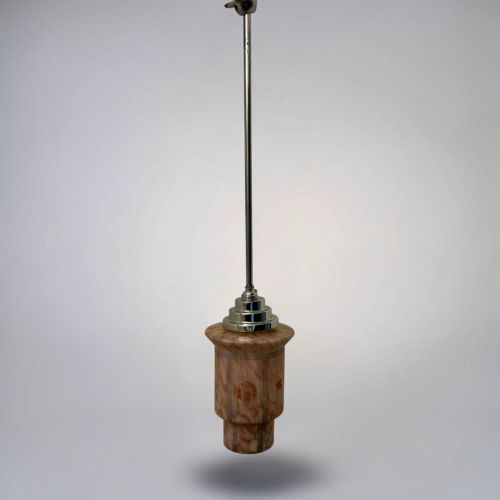
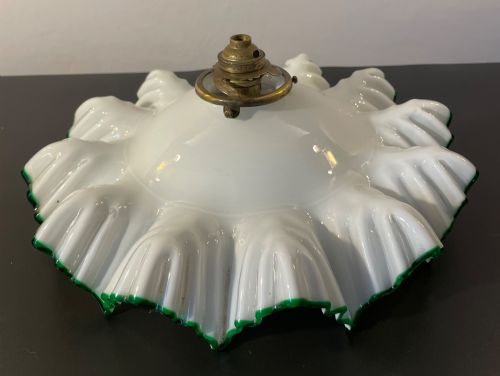
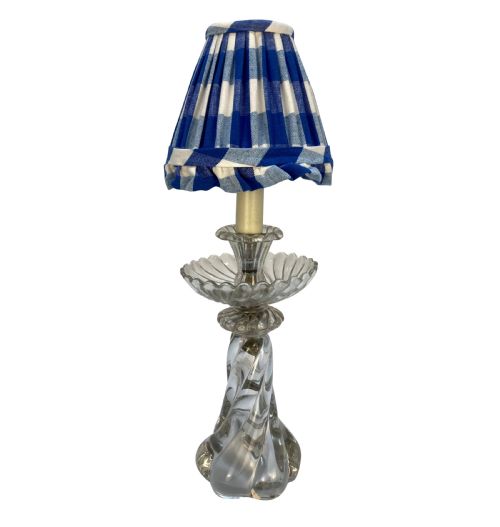
When you search for a 1930s glass lampshade, you encounter a selection of lighting fixtures originating predominantly from the 1930 and 1920 periods. The inventory spans several forms, including ceiling lights, pendant lights, chandeliers, plafonniers, and table lamps.
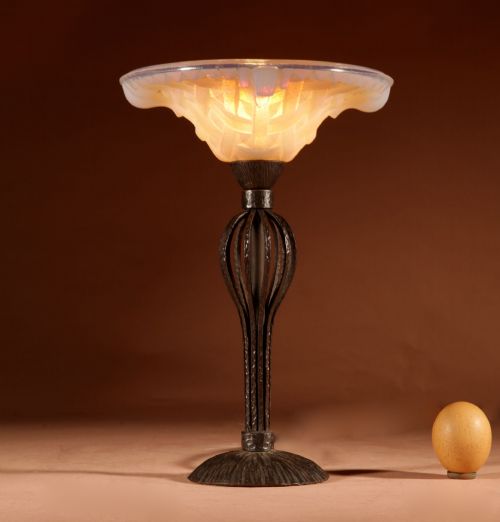
You are most likely to meet Art Deco pieces on this page, alongside French Country variants. These range from simple up-light pendants to complex table lamps incorporating wrought iron and opalescent glass.
How they were made
Makers utilised various forms of glass, including frosted glass, opalescent glass, pressed satin glass, and opaline glass. These glass components are frequently paired with metal fittings made from chrome, brass, and wrought iron.
The construction combines moulded or pressed glass shades with structural metal elements to create functional ceiling and table lighting.
1930s Glass Lampshade Retail Price Guide 2026
Typical asking prices for 1930s glass lampshade among the pieces listed under this phrase on Sellingantiques today, from the lower quarter to the upper quarter. They describe what is for sale here now, not the wider market.
Listings feature items exclusively from the 1920 and 1930 periods, utilising glass, chrome, brass, and wrought iron.
What varies in quality
The distinction between standard examples and superior pieces rests on the complexity of the glasswork and the accompanying metal mounts. Items featuring opalescent or pressed satin glass combined with wrought iron or chrome represent the more elaborate end of the range.
Design execution plays a significant role, where specific stylistic expressions such as the Art Deco Odeon style or French frill formations demonstrate greater artisanal input than simpler utilitarian globes.
Lacroix Lalique
The 1930s Glass Lampshade Glossary
- Plafonnier
- A ceiling light that sits flush or close to the ceiling surface. This French term frequently applies to bowl-shaped glass shades from the period.
- Opalescent glass
- Glass that displays a milky or iridescent appearance with milky-blue tones. It scatters light in a distinctive manner when illuminated.
- Pressed satin glass
- Glass shaped by pressing into a mould and treated to produce a soft, matte finish. This texture diffuses the glare from internal bulbs.
- Opaline glass
- An opaque or translucent white glass popular in mid-century and earlier lighting. It provides a soft, even spread of illumination.
1930s Glass Lampshade: Frequently Asked Questions
How do I hang a 1930s ceiling light?
These ceiling lights and pendant lights typically require standard electrical installation compatible with their period metal fixtures and ceiling roses.
Ensure your mounting hardware supports the combined weight of the glass shade and metal components safely.
What rooms suit an Art Deco lampshade?
Art Deco plafonniers and chandeliers work well in hallways, dining rooms, or living spaces where period architectural details are present.
Table lamps in chrome or wrought iron fit easily onto side tables in study rooms or sitting areas.
Are these lampshades compatible with modern bulbs?
Most vintage fittings accept standard modern LED or incandescent bulbs provided the wattage matches the historical wiring capacity.
Check the fitter size and internal clearance of the glass shade before inserting larger bulbs.
How do I identify a 1930s glass style?
Look for characteristic Art Deco geometric patterns, moulded floral motifs, and the heavy use of frosted, satin, or opalescent glass.
French pieces often display distinct frilled edges or combined wrought iron and glass construction typical of the era.