



1930s Glass Lamp Shade
A 1930s glass lamp shade brings geometric clarity and diffused warmth to a room, which is why collectors seek out these striking lighting components.
1930s Glass Lamp Shade
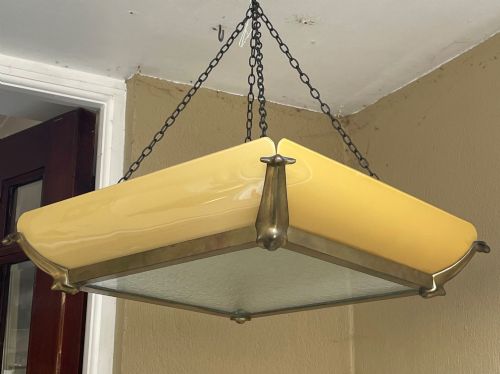
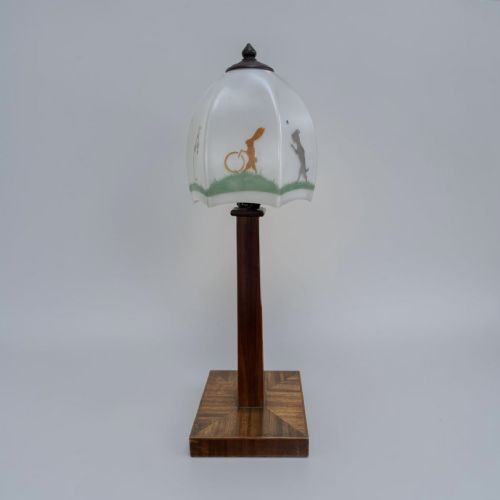
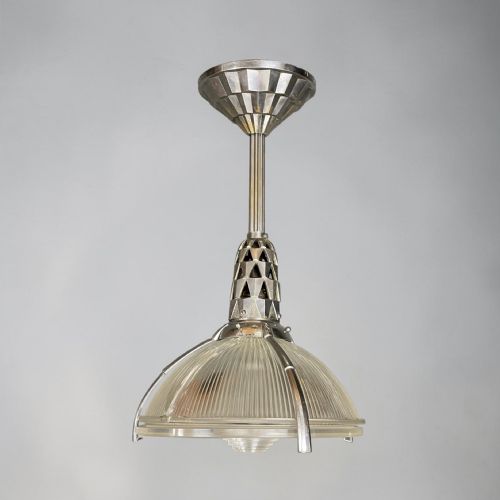
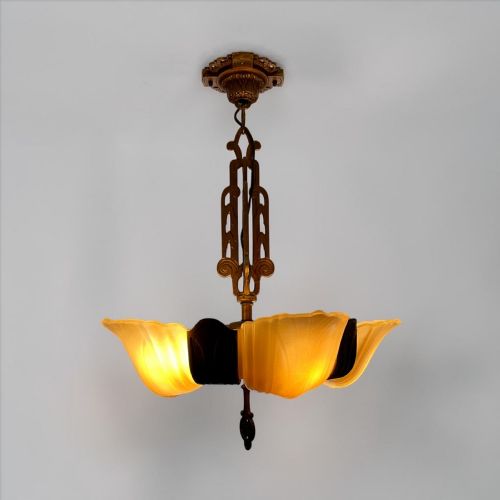
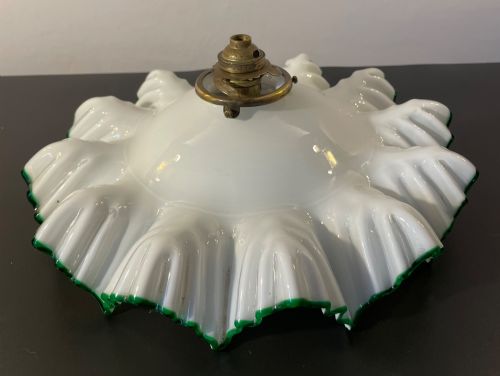
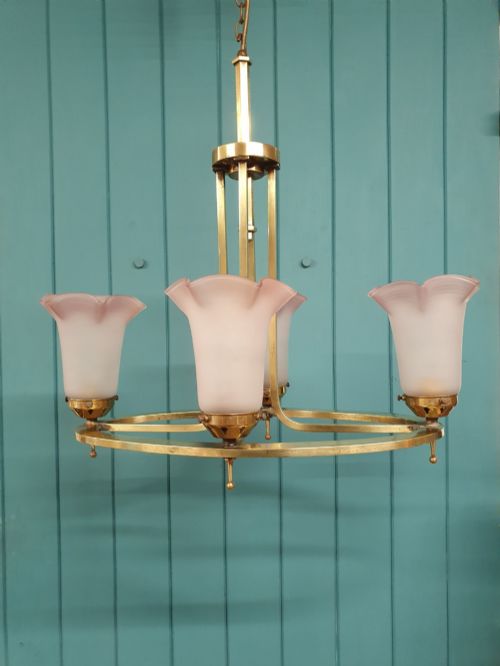
When searching for a 1930s glass lamp shade, you encounter components designed primarily for pendant lights, chandeliers, wall sconces, and table lamps. These pieces belong predominantly to the Art Deco style, displaying the characteristic geometric lines and stylised motifs of the period.
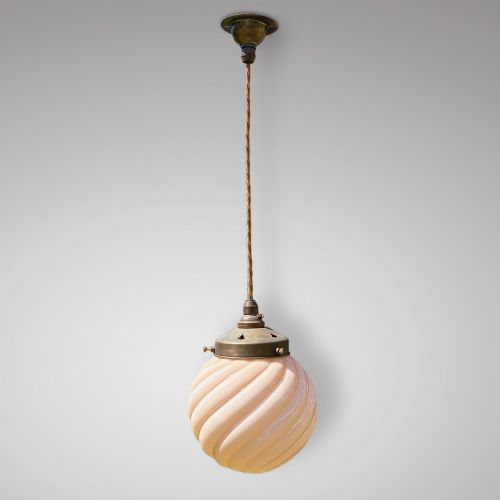
The most common forms on this page include slip shades, opaline pendants, and moulded frosted glass shades intended to soften electric illumination. Many examples originate from France, reflecting the sophisticated glassmaking techniques of European workshops during the interwar years.
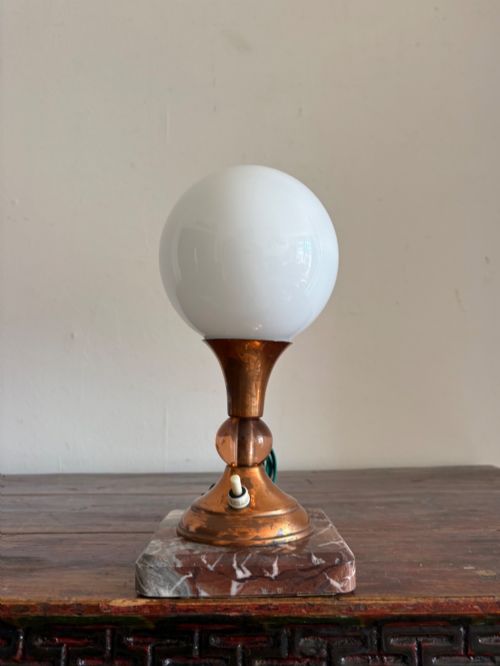
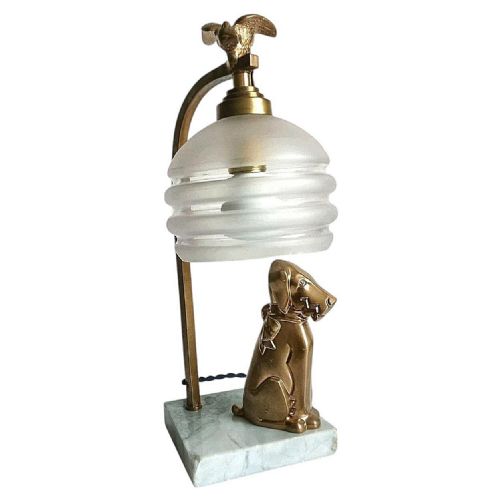
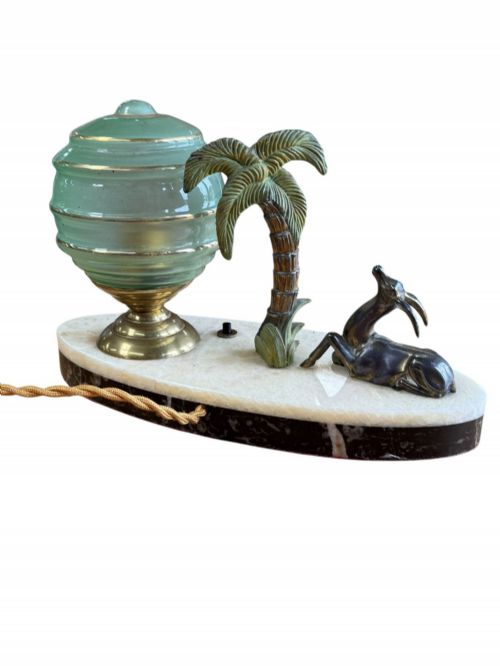
The selection ranges from simple pear-shaped opaline shades to elaborate moulded cloud and clam shell designs paired with brass, chrome, or marble bases. These shades adapt easily to existing period light fittings or form the centrepiece of a restored antique lamp.
Materials and production methods
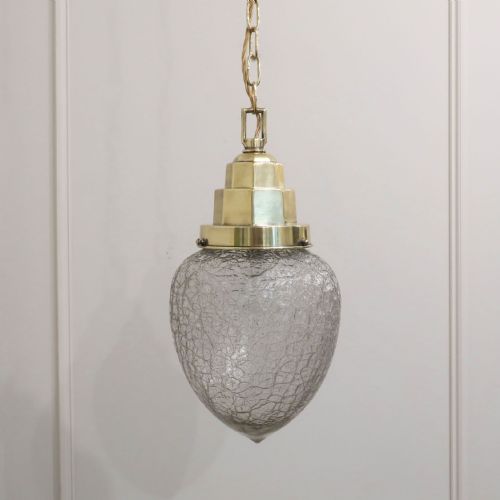
Makers utilised various glass formulations, including frosted, opaline, crackle, and cut crystal glass, to manipulate the diffusion of light. Moulding and pressing techniques allowed artisans to achieve complex geometric patterns, fluted surfaces, and figural reliefs.
Mountings and structural elements typically combine brass, copper, chrome, wrought iron, and marble, providing a robust housing for the delicate glass components. These metals frequently feature patination or nickel plating that complements the industrial and decorative tastes of the decade.
Listings feature periods spanning from 1920 to 1940, encompassing the height of the Art Deco design movement.
Judging quality and craftsmanship
Quality in these glass components rests on the clarity of the moulding, the evenness of the glass thickness, and the crispness of any decorative relief work. Finer examples display precise execution in pressed or frosted patterns without distortion or excessive bubbles.
The integration between the glass shade and its metal mountings reveals much about the original standard of manufacture. Superior pieces utilise heavier gauge metals, substantial brass or marble bases, and secure fittings that hold the glass firmly without undue stress.
Émile-Jacques Ruhlmann·Daum·Muller Bros·Degue
The 1930s Glass Lamp Shade Glossary
- Opaline glass
- A milky, semi-translucent white glass that softens light evenly without harsh glare. It was widely utilised across pendant lights and table lamps during the period.
- Slip shade
- A moulded piece of decorative glass designed to slip directly into a metal frame or sconce. These are common in American and European multi-light fixtures.
- Plafonnier
- A ceiling light featuring a bowl-shaped shade mounted flush or close to the ceiling surface. This form provides ambient illumination in hallways and principal rooms.
- Torchiere
- A tall floor lamp that directs light upward toward the ceiling. The shade usually takes an open-topped cone or bowl form.
- Crackleglass
- Glass deliberately subjected to thermal shock during production to create a fine network of internal fractures. This texture catches and refracts light uniquely.
1930s Glass Lamp Shade: Frequently Asked Questions
How do I clean an old glass shade?
Wash the glass gently in lukewarm water using a mild, non-abrasive detergent and a soft cloth. Avoid submerging metal mounts or harsh scrubbing that might damage frosted surfaces.
Dry the shade thoroughly with a lint-free towel before reattaching it to the lamp fitting. Take extra care around aged or patinated metal hardware to preserve the original finish.
Are these shades compatible with modern bulbs?
Many of these shades accommodate standard modern lamp fittings, provided the fitter ring or opening matches the diameter of your hardware. Low-heat LED bulbs work well inside vintage glass as they reduce thermal stress.
Check the internal fitter dimensions carefully before pairing a shade with a replacement gallery or lamp base. Proper clearance prevents pressure fractures on the glass edge.
How can I date a glass shade?
Dating relies on stylistic markers such as geometric Art Deco moulding, material choices like opaline or frosted finishes, and construction traits typical of the interwar decades. Makers' signatures or moulded factory marks often appear near the rim.
Compare the mounting hardware and screw notches against known period manufacturing standards. Original patination on accompanying metal fixtures also aids in establishing the era.
Where were these glass shades made?
Production centred largely in France and America, with major workshops and glassworks driving innovations in pressed and moulded decorative lighting. French designers produced many of the distinctive opaline and coloured art glass pieces.
Other examples originate from domestic British or wider European makers responding to the demand for modern interior lighting. Regional moulding styles often identify the source of a particular shade.