


1930s Glass Ceiling Lamp
A 1930s glass ceiling lamp brings geometric elegance and diffused illumination to a room, offering authentic period character that modern reproductions simply lack.
1930s Glass Ceiling Lamp
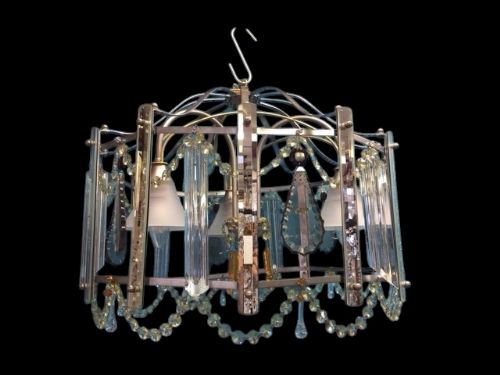
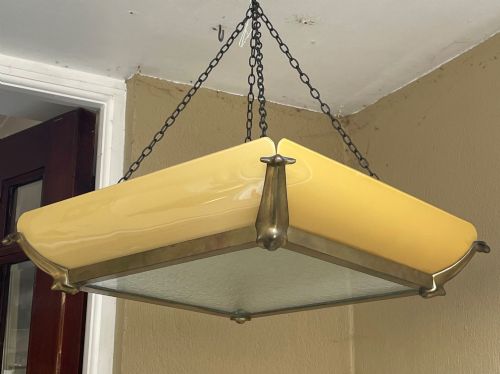
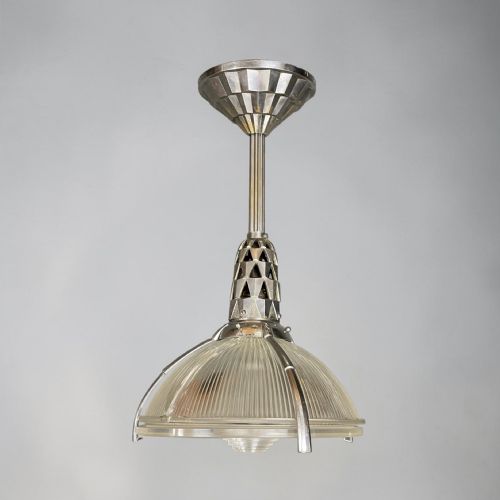
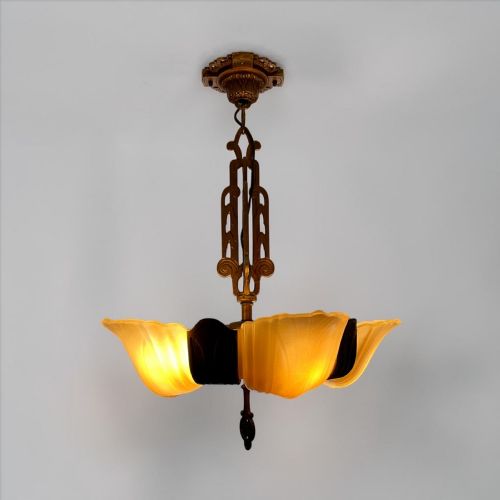
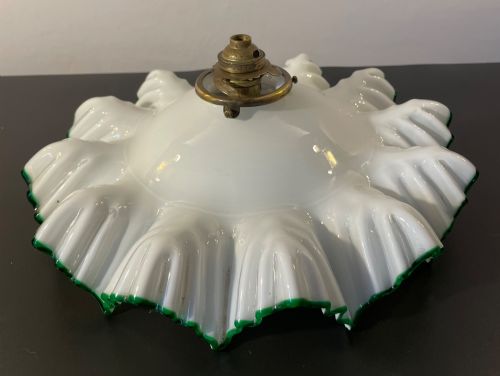
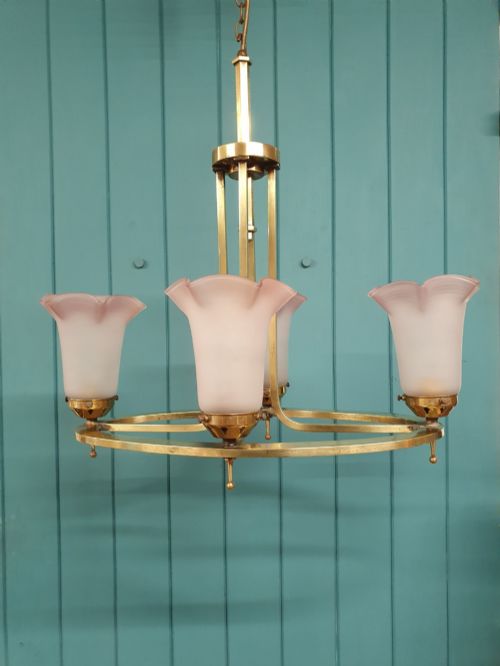
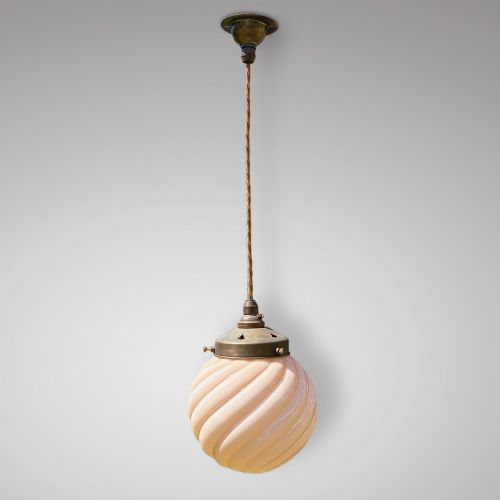
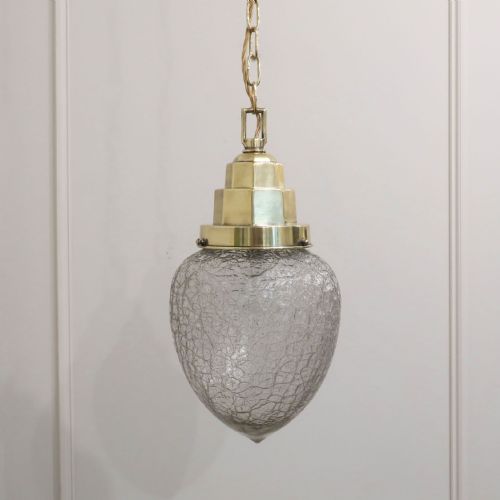
A 1930s glass ceiling lamp sits flush against the ceiling or hangs from a short drop, illuminating spaces with characteristic interwar style. These fixtures emerge predominantly from the Art Deco period, though French Country and Highland Lodge influences also appear across the selection.
Moulded, frosted, and opaline glass bowls dominate the selection, often paired with metal mounts to direct light outward. Such pieces serve as both functional illumination and striking architectural elements in period properties.
How they were made
Glassmakers utilised pressing, moulding, and frosting techniques to shape shades into clam shell, pear, and geometric designs. Molten glass was poured into heavy metal moulds or blown into specific profiles before undergoing surface treatments like etching and crackle effects.
Metalworkers fabricated structural components from brass, chrome, copper, bronze, and cast metal. These frames securely held heavy glass bowls using screws, galleries, and suspension chains designed to bear the weight safely.
Listings feature frosted glass, opaline glass, and crystal combined with brass, chrome, copper, and cast metal across Art Deco styles.
What varies in quality
The thickness and clarity of the glass set the standard for quality across these fixtures. Heavier moulded shades with crisp decorative motifs and even frosting represent superior production values compared to thinner, plain alternatives.
The calibre of the metalwork also distinguishes better examples. Substantial brass, chrome, or bronze mounts with well-finished joints and original patination indicate finer craftsmanship than lightweight or poorly cast replacement parts.
Émile-Jacques Ruhlmann·Jean Gauthier
The 1930s Glass Ceiling Lamp Glossary
- Plafonnier
- A shallow glass bowl light fitting designed to mount directly against the ceiling surface. This style maximises headroom in rooms with lower ceilings while diffusing soft light.
- Opaline Glass
- A milky, translucent glass type that softens light output while hiding internal bulbs. It creates a warm, even glow typical of interwar lighting design.
- Slip Shade
- A type of shade where individual moulded glass panels slide into a metal frame to form a complete bowl. These pieces are characteristic of American Art Deco design.
- Art Deco
- A design style spanning the twenties and thirties defined by clean geometric lines, stylised motifs, and modern industrial materials. It remains the dominant aesthetic for these ceiling lights.
1930s Glass Ceiling Lamp: Frequently Asked Questions
How do I clean a vintage glass shade?
Remove the glass carefully from its metal frame and wash it gently in lukewarm soapy water using a soft cloth. Avoid harsh chemical cleaners that might damage frosted surfaces or original etching.
Dry the glass thoroughly before reassembling it into the brass or chrome mount. Take care not to overtighten fixing screws against vintage glass.
Can these ceiling lamps take modern bulbs?
Most vintage fittings accept modern screw or bayonet LED bulbs, provided the wattage matches safe electrical limits. Ensure the bulb physically fits within the enclosed glass bowl or shade without touching the surface.
Consult a qualified electrician to check the internal wiring and lampholders before installation. Rewiring is often recommended for safety with pieces from this era.
Are all these lights from the 1930s?
The selection includes pieces originating from both the nineteen-twenties and nineteen-thirties. Art Deco design spanned both decades, sharing similar materials like frosted glass and chrome.
Stylistic cues and specific maker details help differentiate pieces from the earlier part of the period versus those made closer to nineteen-thirty.
How high should a pendant lamp hang?
Pendant lights and chandeliers require careful positioning depending on ceiling height and room function. Hallways and landings generally need enough clearance for people to walk underneath safely.
Over dining tables or in living spaces, fixtures can hang lower to create an intimate atmosphere. Short-drop plafonniers offer an alternative for rooms with standard ceiling heights.