


1930s Figurine
When you handle a 1930s figurine, you meet the bold geometric lines and kinetic energy of the interwar period.
1930s Figurine
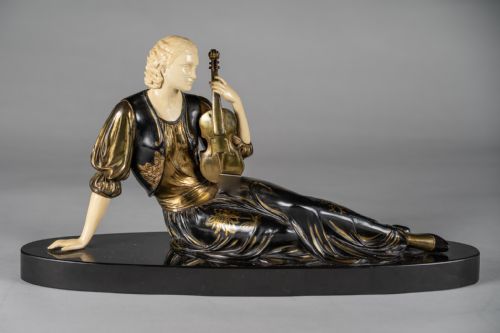
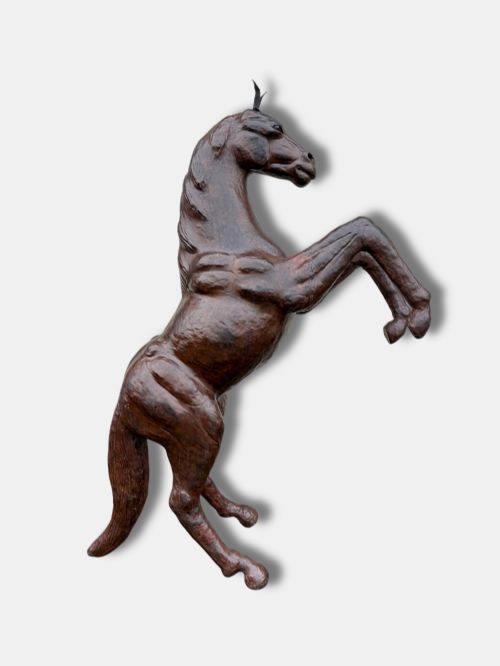
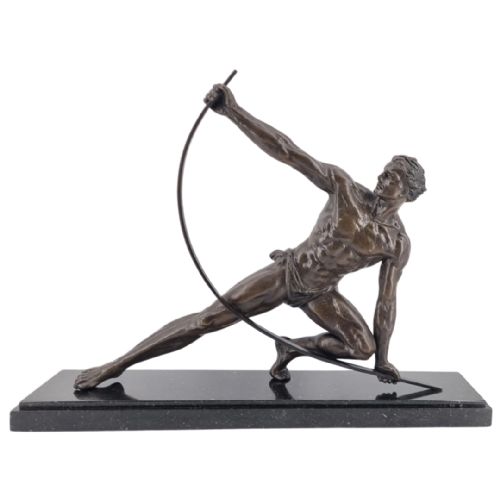
A 1930s figurine encompasses sculptural representations of humans, animals, and dancers shaped during an era dominated by Art Deco aesthetics. Collectors encounter both French figures of athletes and dancers alongside ceramic novelties and functional lamp bases from this period.
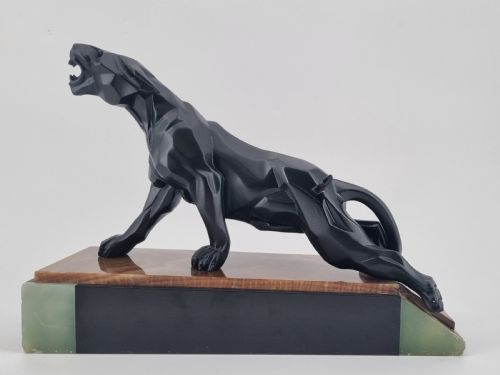
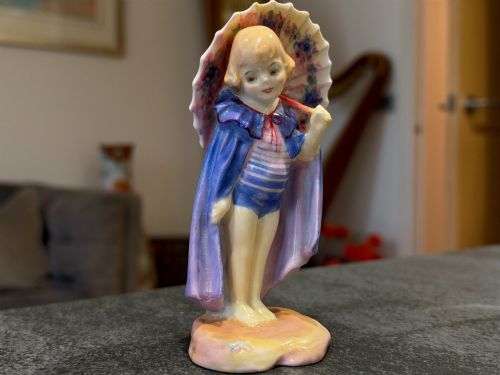
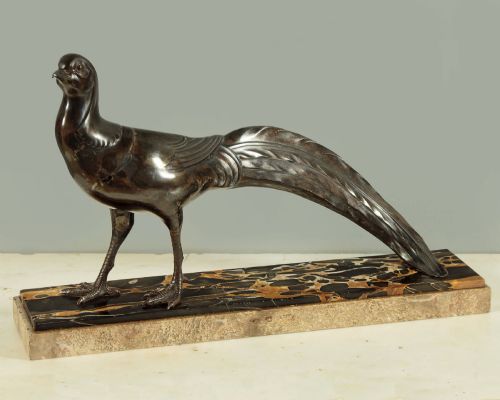
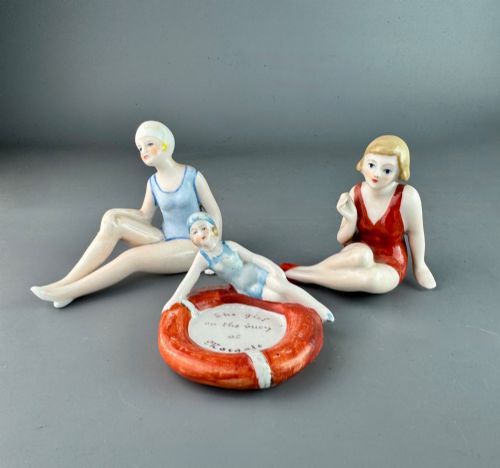
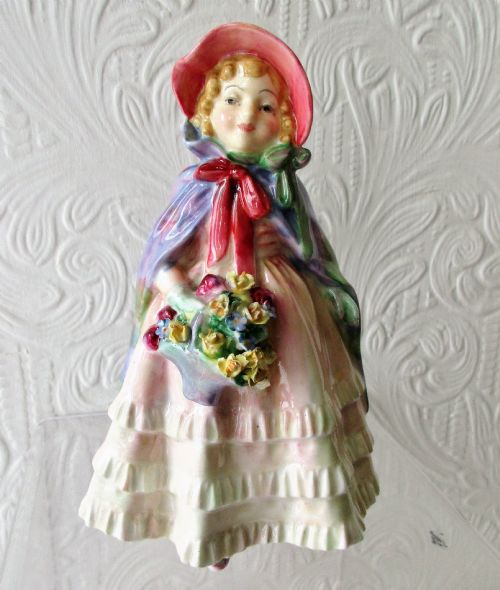
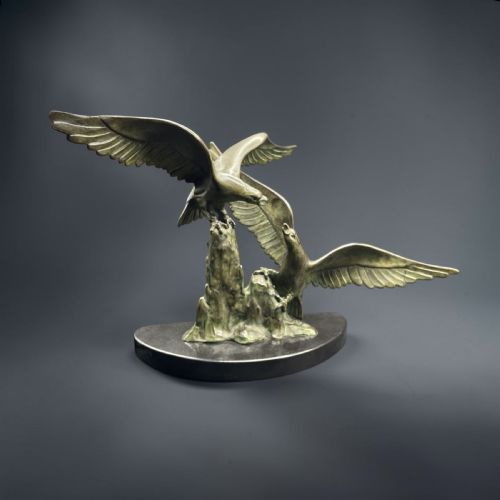
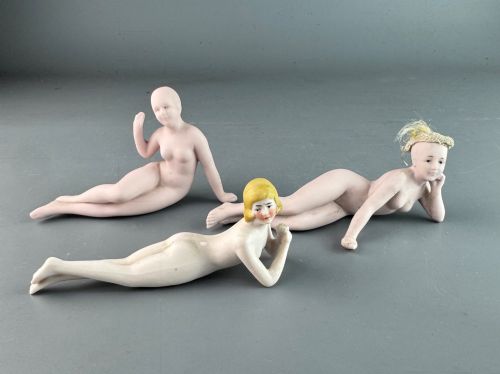
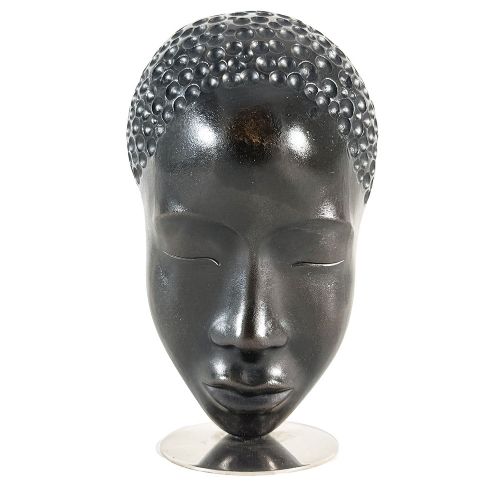
The objects take many forms, ranging from patinated metal dancers and bronze panthers to carved hardwood warriors and porcelain half doll trinket boxes. These pieces reflect diverse international influences, including Balinese art, African tribal forms, and European modernist design.
How they were made
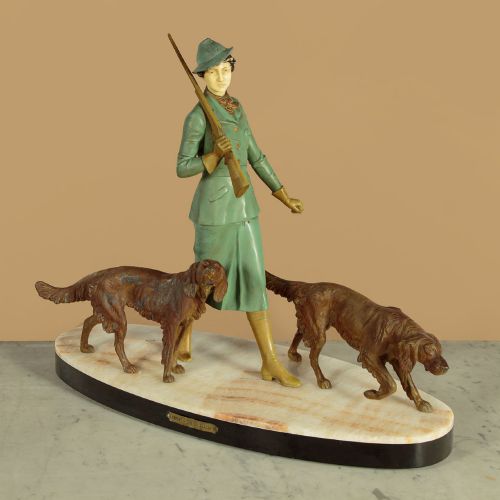
Makers utilised a wide spectrum of media, casting bronze and spelter, carving limewood, teak, and agate, and moulding porcelain and glass. Metal figures frequently rest upon weighted marble bases to anchor dynamic poses.
Surface finishes define the physical character of the work, employing cold-painted pigments, chrome plating, patinated metal surfaces, and coloured glazes. Carvers of wood and hardstone relied on detailed hand-shaping to capture texture in hair, feathers, and garments.
1930s Figurine Retail Price Guide 2026
Typical asking prices for 1930s figurine among the pieces listed under this phrase on Sellingantiques today, from the lower quarter to the upper quarter. They describe what is for sale here now, not the wider market.
A comical golfer with a caddy holding cocktail sticks stands ready to liven up a 1930s cocktail party.
What varies in quality
Material choice dictates durability and visual depth, as heavy patinated bronze or solid carved hardwoods command greater appreciation than lighter spelter or painted metal substitutes with surface wear.
Jean de Roncourt·Hagenauer·Josef Lorenzl·Aurore Onu·Rene Lalique·Fasold and Stuach
The 1930s Figurine Glossary
- Spelter
- A zinc alloy frequently utilised as a cost-effective substitute for bronze during the period. It accepts patination and metallic paint readily.
- Art Deco
- The dominant design style of the era, characterised by stylised geometry, streamlined forms, and energetic motifs. It influences nearly all figurative sculpture of the decade.
- Half doll
- A porcelain upper torso without legs, commonly mounted onto powder boxes, pin cushions, or brushes. These decorative items served functional roles on dressing tables.
- Patination
- The surface treatment or chemical ageing applied to metal sculptures to alter colour and texture. It adds depth and protects the underlying material.
- Hardstone
- A semi-precious mineral material such as agate, carved into small-scale figures and animal groups. Artisans exploit natural grain variations for visual effect.
1930s Figurine: Frequently Asked Questions
What materials are typical for a 1930s figurine?
Makers worked extensively in cast bronze, spelter, carved limewood, hardstone, and moulded porcelain or glass. Many metal examples incorporate marble bases for stability and contrast.
Surface treatments such as cold painting, chrome plating, and chemical patination complete the construction of these decorative objects.
How were these figures used originally?
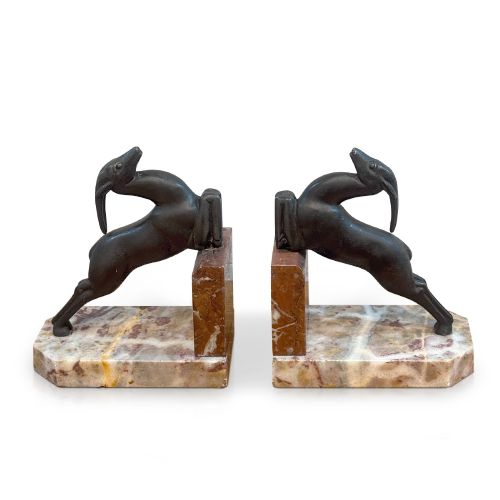
Many acted as pure display sculptures on mantelpieces and sideboards, while others served practical purposes as table lamp bases, paperweights, or bookends. Smaller porcelain versions formed the lids of powder boxes and trinket containers on dressing tables.
Some specialised items functioned as cocktail stick holders or cigarette strikers in social settings.
How do I spot an Art Deco style?
Look for stylised anatomy, aerodynamic curves, and symmetrical arrangements that celebrate speed, dance, and modern athleticism. Figures of flappers, ice skaters, and athletic animals display the characteristic energy of the movement.
Materials like chrome plate and geometric marble plinths further reinforce this visual vocabulary.
Are these pieces signed by artists?
Certain bronzes and spelter figures carry cast signatures or foundry marks from prominent modellers, though many commercial pieces remain unsigned. Attributions rely on stylistic traits, proportions, and manufacturing techniques recorded in period catalogues.
Unsigned works still demonstrate high artistic merit if the casting and hand-finishing show exceptional skill.