

1930s End Table
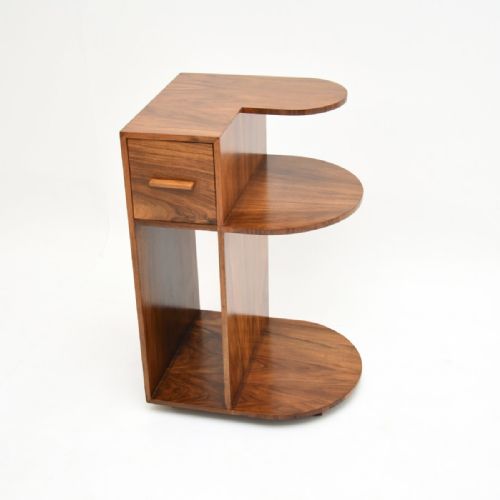
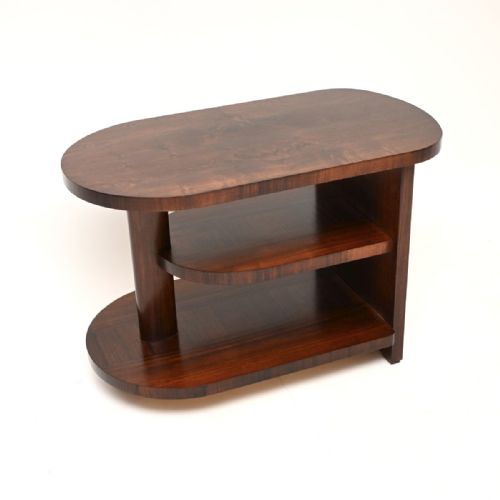
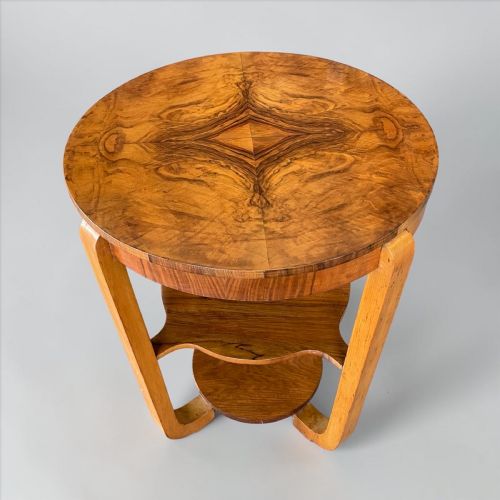
A 1930s end table brings sculptural geometry and warmth to a room, offering practical surface space through compact forms.
1930s End Table
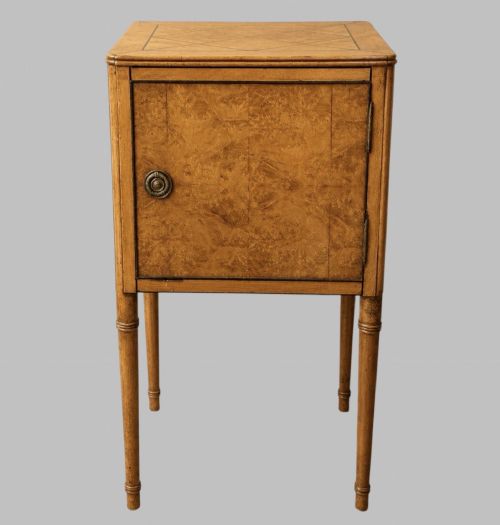
When you search for a 1930s end table, you encounter a variety of compact surfaces designed for placement beside seating or beds. The selections span side tables, occasional tables, bedside cabinets, and nests of tables.
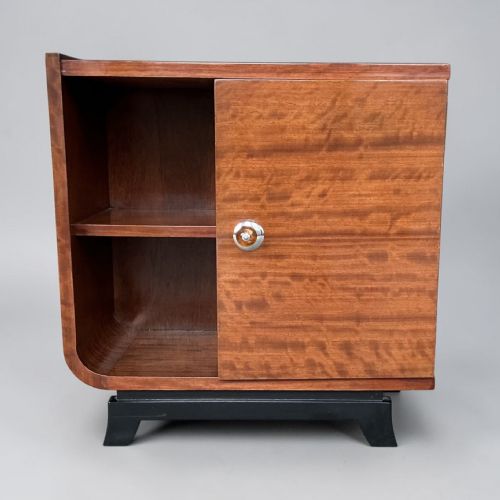
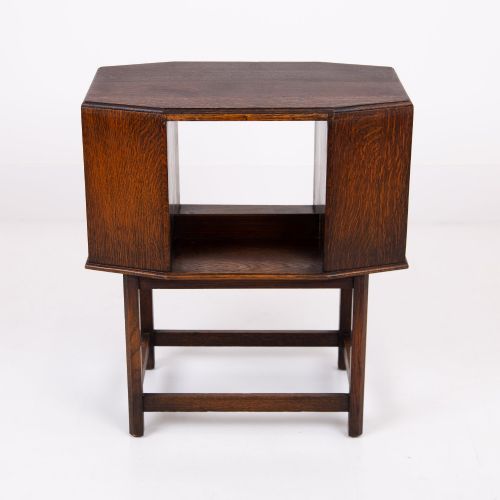
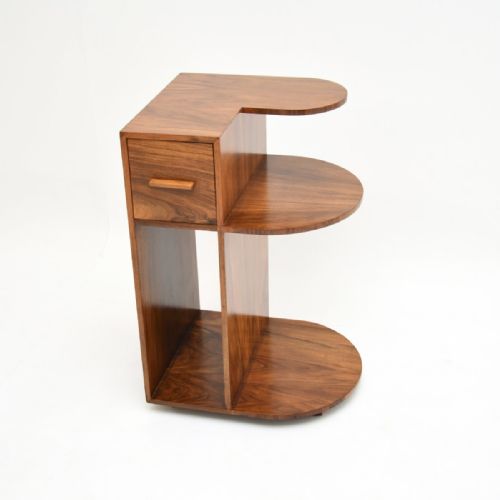
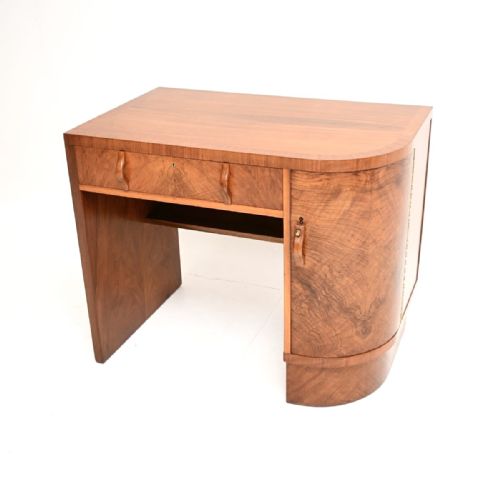
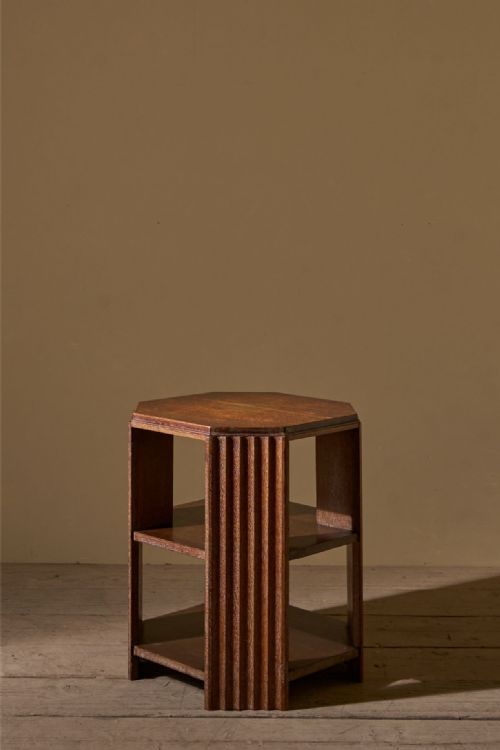
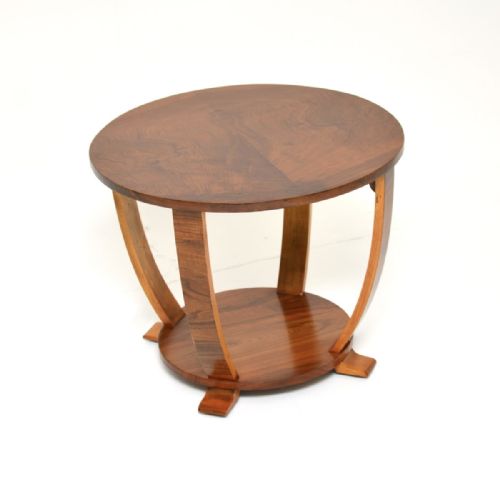
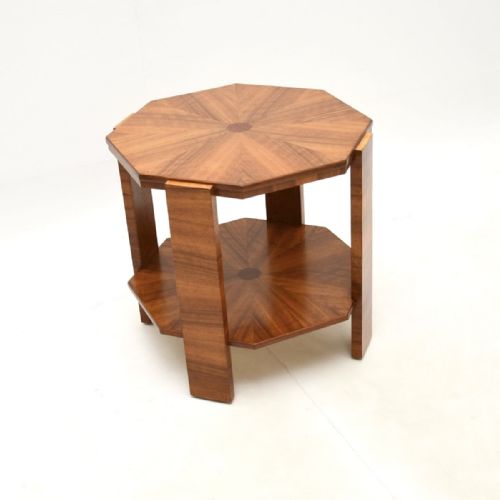
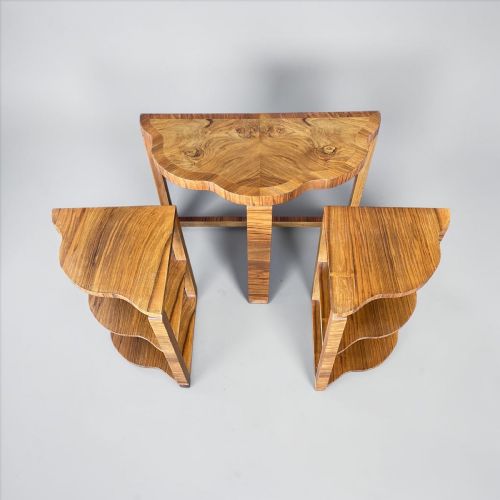
Art Deco styling dominates the pieces, alongside periods spanning the 1920s to the 1940s. Forms range from octagonal tables and two-tier designs to demilune and side cabinets.
Origin points vary widely, covering English, French, and American interpretations, as well as occasional Anglo-Indian pieces. Walnut and oak remain the most common structural woods met on this page.
Materials and construction
Makers utilised solid timbers alongside specialised veneers to achieve striking grain patterns. Walnut, burr walnut, oak, and rosewood feature heavily, often paired with maple, birch, or mahogany.
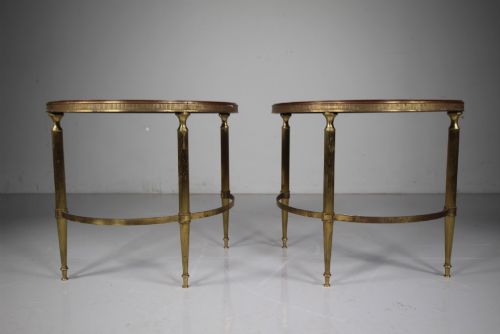
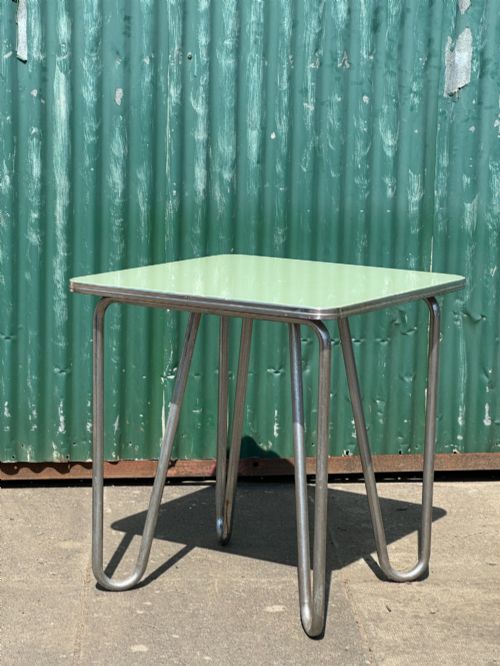
Metal components introduce industrial contrast through chrome and brass framing, hardware, or mirrored tops. Ebonised wood finishes provide deep, dark contrast to lighter veneers.
Spider legs and bendy lamps prove that even in rigid geometry, furniture sometimes wanted to stretch its legs.
Judging quality in period tables
Superior examples rely on the selection and matching of wood veneers, where figured walnut or birds-eye maple displays symmetrical grain patterns across the top surface. Construction complexity, such as multi-tiered designs or integrated book storage, separates standard production from high-end pieces.
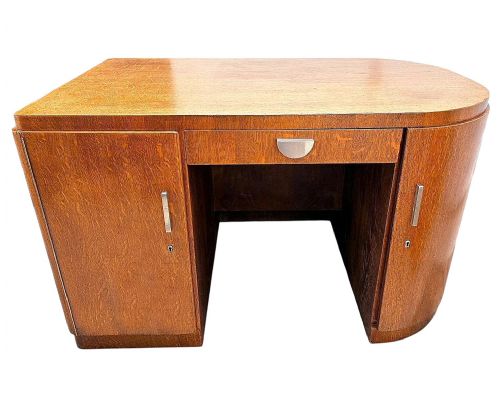
The integration of contrasting materials, including polished chrome frames or brass detailing, distinguishes finer workshop output. Original condition and the preservation of distinct finishes dictate the standing of individual tables.
Walter Carter Harrods·Oliver Percy Bernard·Gilbert Rohde·Maurice Adams
The 1930s End Table Glossary
- Art Deco
- A design style prevalent in the 1930s characterised by sleek geometric shapes, stylised motifs, and modern industrial materials. It replaced the ornate curves of earlier periods with clean, streamlined silhouettes.
- Veneer
- A thin layer of figured wood applied over a stable secondary timber to create decorative surfaces. Figured walnut and burr walnut are frequently utilised this way.
- Demilune
- A half-moon shape used for console and side tables designed to sit flush against a wall. These tables often appear in matched pairs.
- Occasional table
- A small, movable table designed for specific, intermittent use within a room rather than permanent placement. They include coffee, lamp, and side variants.
- Ebonised wood
- Timber treated with a dark stain or finish to simulate expensive ebony wood. This technique provides sharp contrast in modernist designs.
1930s End Table: Frequently Asked Questions
What defines a 1930s end table?
These tables are compact occasional surfaces designed to sit beside chairs or beds, heavily influenced by Art Deco design.
They utilise geometric forms, stepped profiles, and contrasting materials like chrome and figured wood veneers.
Where should I place a side table?
Side tables suit placement next to sofas, armchairs, or beds to hold lamps and small objects. Two-tier and nesting variants work well where surface space needs to expand temporarily.
Demilune tables fit neatly against hallways or living room walls as console surfaces.
How do I identify Art Deco furniture?
Look for symmetrical designs, straight lines mixed with curved corners, and exotic wood veneers like burr walnut or rosewood. Metal elements such as chrome and brass often accent the wooden structure.
Octagonal shapes and stepped tiers also signal the period.
What woods were used in the 1930s?
Walnut, oak, and mahogany form the structural backbone of these pieces, alongside specialised veneers like birds-eye maple and karelian birch. Rosewood and ebonised wood appear for darker, high-contrast finishes.
Solid timbers often pair with metal framing.