








1930s Bronze Figurine
A 1930s bronze figurine captures the sleek dynamism of the interwar years, offering collectors iconic figures mounted on solid stone bases.
1930s Bronze Figurine
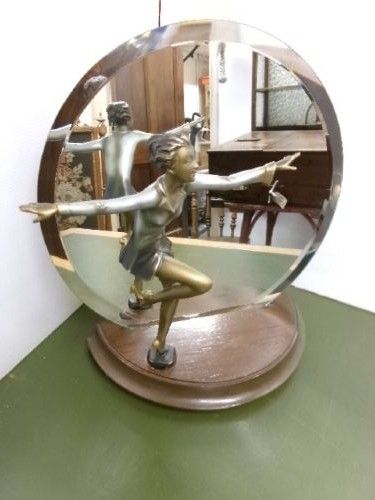
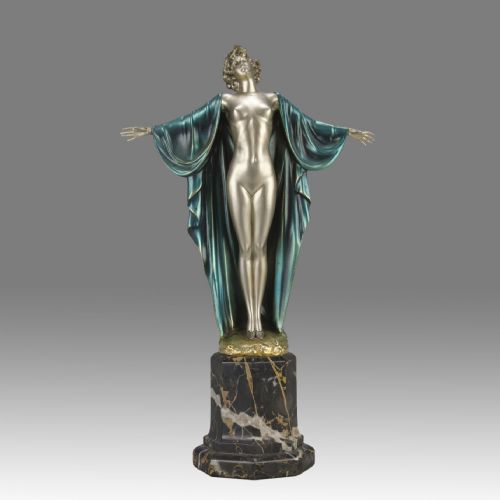
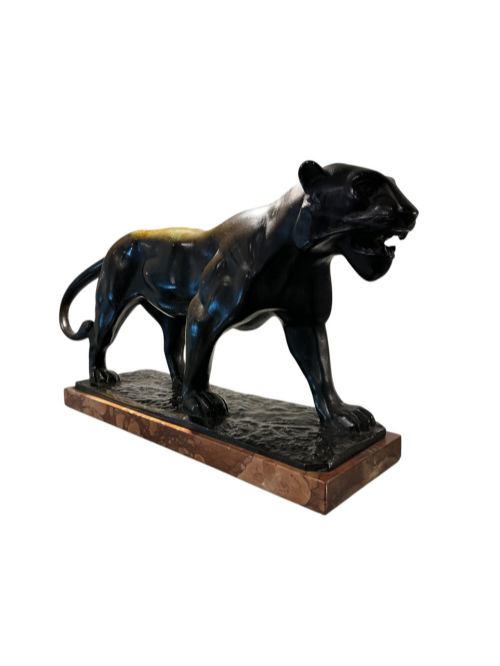
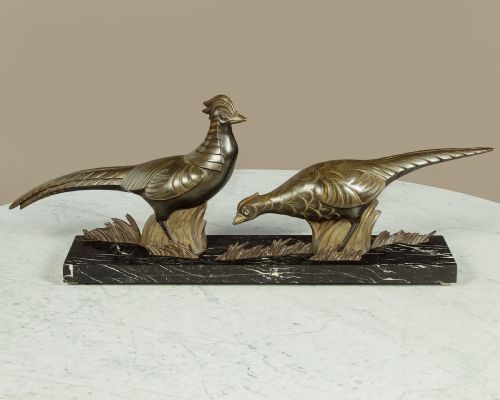
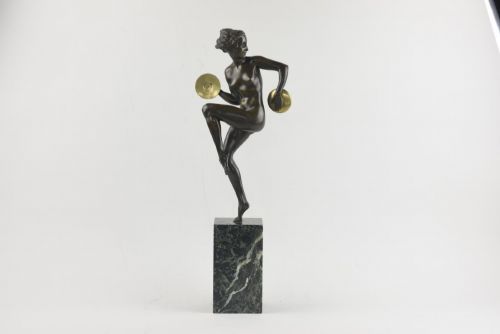
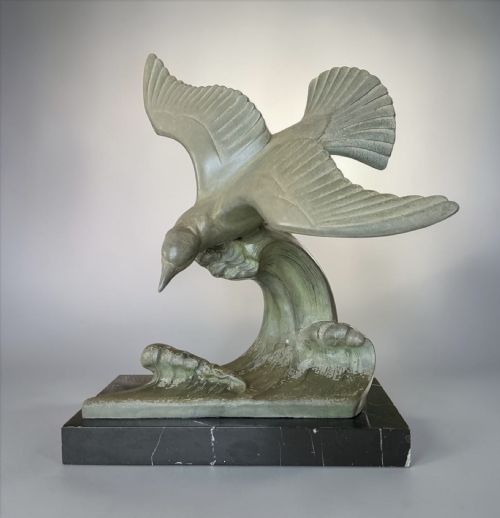
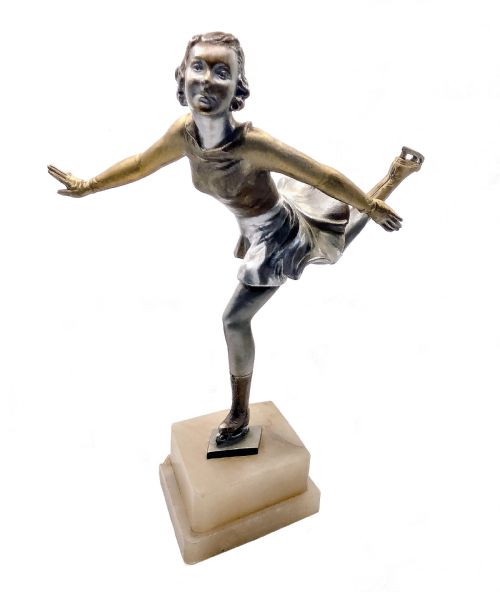
A 1930s bronze figurine embodies the dominant Art Deco aesthetic of the period, translating modern speed and elegance into solid metal. The selection on this page centres heavily on female dancers, athletic figures, and stylised animals such as panthers and hunting dogs.
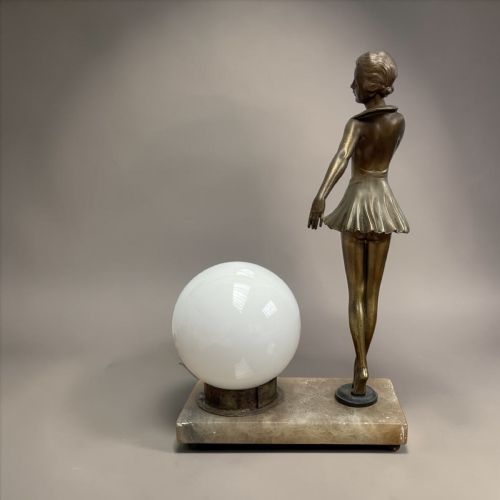
Most examples originate from French workshops or bear attribution to prominent European sculptors of the era. Buyers encounter standalone sculptures, table lamps, and figural groups that frequently incorporate contrasting stone plinths.
While genuine cast bronze forms the core of the selection, alternative metals and patinated base metals appear alongside cast figures. These objects served as sophisticated interior decorations in period homes, functioning primarily as mantel ornaments or desk sculptures.
Materials and casting methods
Foundries utilised both traditional lost-wax casting for bronze and white metal casting for spelter figures. Molten metal poured into moulds captured intricate details of drapery, musculature, and facial expressions before cooling.
Artisans applied chemical patination, cold painting, or gilding directly onto the metallic surfaces to achieve tonal depth and colour. Many figures required specialist mounting onto heavy bases cut from black, white, or variegated marble and onyx.
Makers integrated functional elements such as lamp fittings or glass shades into sculptural compositions. This required careful assembly of cast components, threaded fixings, and stone foundations to ensure stability.
Listings feature animal studies, including greyhounds, borzois, pheasants, and panthers, alongside human figures.
Assessing craftsmanship and execution
The precision of the metal chase work dictates the definition found in hair, fingers, and clothing folds after casting. Superior pieces retain crisp lines and smooth transitions without softening or surface pitting.
The quality of the foundational plinth influences the overall balance and tactile presence of the sculpture. Dense, well-finished marble or onyx bases provide appropriate visual weight compared to poorly fitted or damaged stone.
Signatures, foundry marks, and verifiable artist attributions separate standard commercial castings from masterworks. The nuance in patination and hand-applied cold painting further distinguishes fine studio pieces from mass-produced output.
Ferdinand Preiss·Josef Lorenzl·Sibylle May·Alexandre Kelety·Demetre Chiparus
The 1930s Bronze Figurine Glossary
- Spelter
- A zinc-based alloy commonly utilised as a less expensive alternative to bronze during the interwar period. It accepts patination well but requires careful handling due to its softer composition.
- Patination
- The chemical treatment or natural oxidation applied to metal surfaces to alter colour and finish. It protects the underlying material while enhancing sculptural depth.
- Cold painted
- A decorative technique where enamel or oil paint is applied to cold metal rather than fired in a kiln. This finish is susceptible to flaking if exposed to moisture or rough cleaning.
- Chryselephantine
- A term describing statues combining bronze with carved ivory elements for faces and hands. This method was widely practiced by prominent sculptors working within the Art Deco idiom.
1930s Bronze Figurine: Frequently Asked Questions
How do I clean my bronze figurine?
Dust the surface gently with a soft, dry microfibre cloth to prevent accumulation without disturbing the original patina.
Avoid using water, chemical solvents, or abrasive polishes that strip protective coatings and damage the underlying metal.
Are spelter and bronze the same?
Bronze is a robust copper alloy that resists heavy wear, whereas spelter is a softer zinc-based metal requiring gentler care.
Weight and surface resonance usually distinguish the two materials, with bronze offering a denser, heavier feel in the hand.
Why are marble bases used?
Dense stone plinths provide necessary counterweight to balance cantilevered limbs and dynamic poses in figures like dancers and leaping animals.
Marble and onyx also introduced contrasting colours and textures that complemented the metallic finishes of the period.
How can I spot an original?
Original pieces display crisp casting details, period-appropriate patination, and often bear artist signatures or foundry stamps directly on the metal or stone.
Contemporary reproductions typically exhibit softer details, modern fixing screws, and lack the authentic wear patterns of decades of display.