





1930s Art Glass Bowl
A 1930s art glass bowl brings geometric mouldings, opalescent sheens, and striking colours into any interior.
1930s Art Glass Bowl
When you search for a 1930s art glass bowl, you encounter pieces defined by the distinctive lines and motifs of the Art Deco period. These vessels serve primarily as decorative bowls, centrepieces, or shallow dishes intended to catch and refract light.
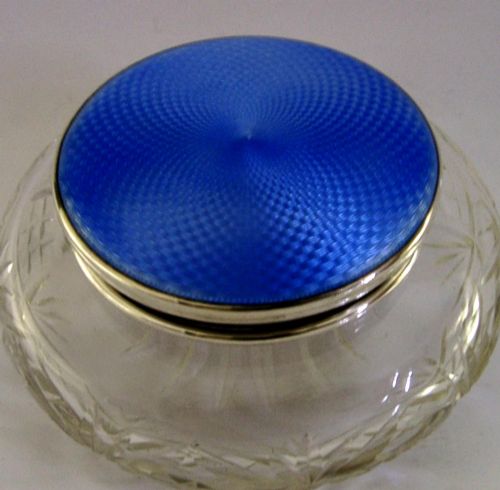
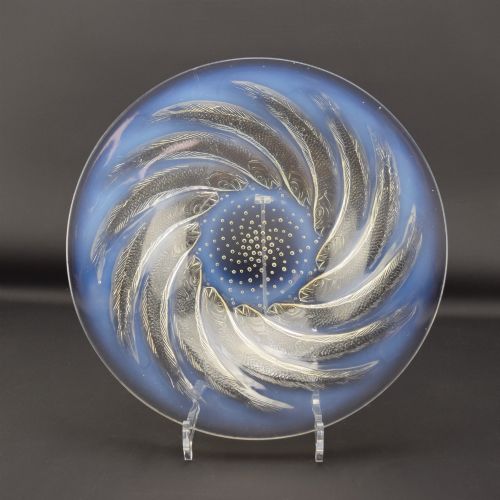
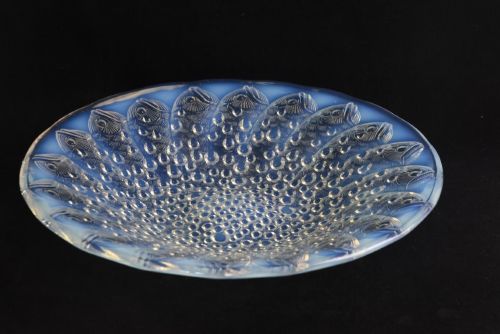
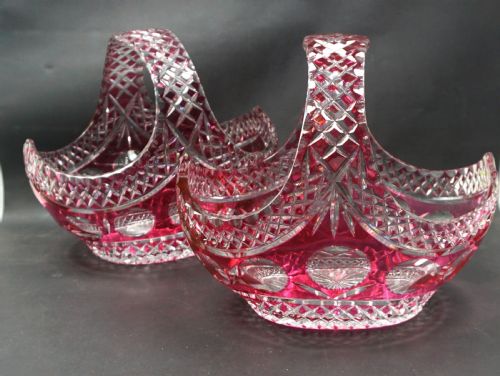
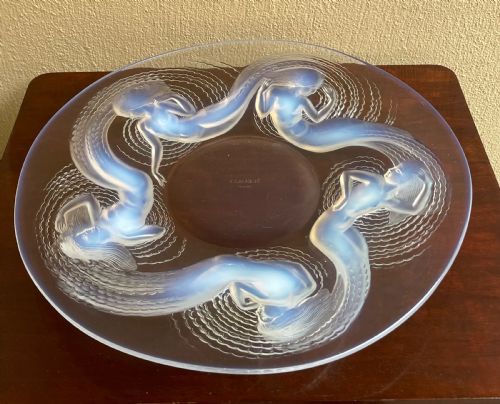
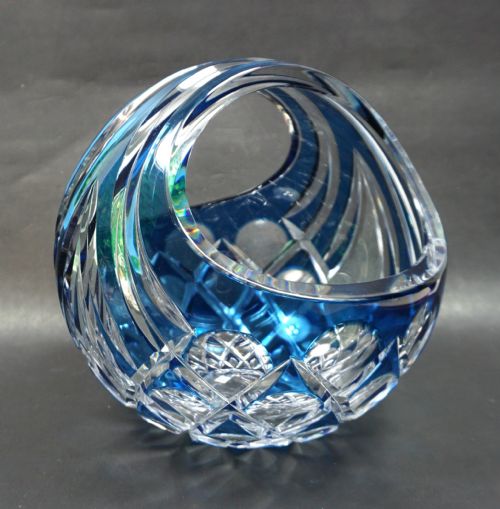
The selections on this page demonstrate the variety of the era, ranging from French opalescent press-moulded designs to vibrant Scottish mottled glassware and Belgian overlaid crystal. Forms span from simple open bowls and chargers to pedestal vessels and baskets.
Originating predominantly from French studios, British makers, and continental glassworks, these pieces capture the transition from ornate earlier styles to streamlined modernity.
Methods and materials
Makers utilised techniques such as press-moulding, where molten material is forced into a metal form to create repeating relief patterns, resulting in the thick, tactile walls characteristic of the decade. Frosted and satin finishes were achieved through acid-etching or mechanical abrading of the glass surface.
Opalescent effects relied on specific chemical additives that caused the glass to turn milky-blue or amber when viewed in reflected light, while overlaid pieces combined layers of coloured glass over a clear or contrasting crystal core.
The listings show a strong representation of French opalescent press-moulded bowls alongside British Monart vessels and Belgian crystal.
Distinguishing quality
Quality rests in the crispness of the moulded relief and the depth of the opalescence within the material. Superior examples display sharply defined motifs without the surface distortion often found in mass-produced alternatives.
The weight, wall thickness, and clarity of the base material separate standard decorative items from finer studio productions. Finished surfaces show careful hand-polishing and clean pontil marks where applicable, rather than rough mould seams.
Rene Lalique·Val St Lambert·Jobling Opalique·Sabino·Monart Glass·Graystan·Etling·G Vallon
The 1930s Art Glass Bowl Glossary
- Opalescent Glass
- Glass that diffuses light to display a milky, iridescent blue or amber glow. This effect alters depending on the angle of illumination.
- Coupe Ouverte
- An open bowl or shallow dish format frequently utilised by French designers in the period. These wide vessels display moulded motifs across the interior base.
- Pressed Glass
- Glass formed by pressing molten metal into a mould with a plunger. This technique allowed intricate Art Deco patterns to be produced consistently.
- Overlaid Glass
- Glass created by fusing one layer of coloured glass over a distinct base layer of clear or crystal glass. Artisans then cut through the top layer to reveal the contrasting colour underneath.
- Plafonnier
- A ceiling-mounted lighting bowl designed to sit flat against the ceiling surface. These fixtures often feature moulded frosted or opalescent glass.
1930s Art Glass Bowl: Frequently Asked Questions
How do I identify genuine 1930s art glass?
Examine the weight, the presence of mould seams, and any factory signatures or registration marks etched into the base. Authentic pieces from this decade typically feature the distinct heavy proportions and specific chemical opalescence characteristic of the era.
Compare the motifs against known records from the period, noting that genuine examples exhibit sharp detailing in the relief work rather than soft, blurred edges.
What is opalescent glass?
Opalescent glass contains ingredients that scatter light, causing parts of the vessel to appear milky-blue or fiery orange depending on how the light strikes the surface. It was a defining material for decorative bowls during the interwar years.
This optical quality gives the glass a sense of depth and movement, making plain geometric or floral reliefs stand out with dramatic contrast.
How were these bowls used originally?
Most functioned as decorative centrepieces on dining tables, display items on sideboards, or functional vessels for holding floating flowers and potpourri. Many were also paired with matching wall sconces and ceiling lights to create a unified interior scheme.
Their robust construction allowed them to serve both ornamental and practical roles in households of the period.
How should I clean my glass bowl?
Wash the piece gently in lukewarm water using a mild, non-abrasive detergent and a soft cloth. Avoid harsh scrubbing pads or chemical solvents that might damage satin-finished or frosted surfaces.
Dry the bowl immediately with a lint-free cloth to prevent water spots from forming on the textured areas.