

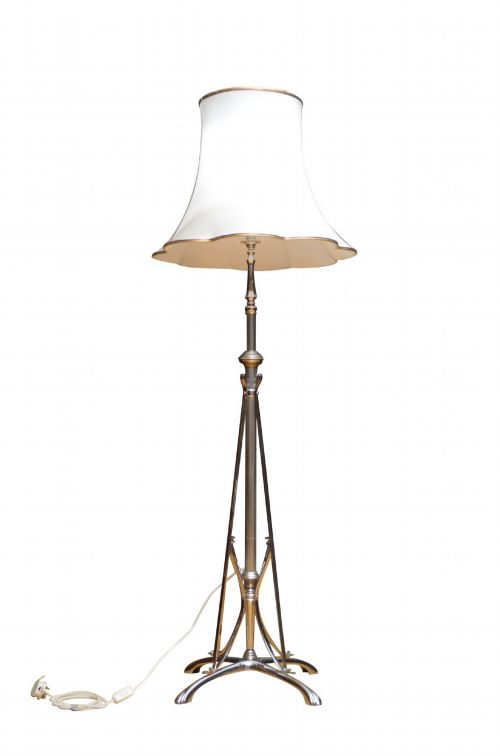
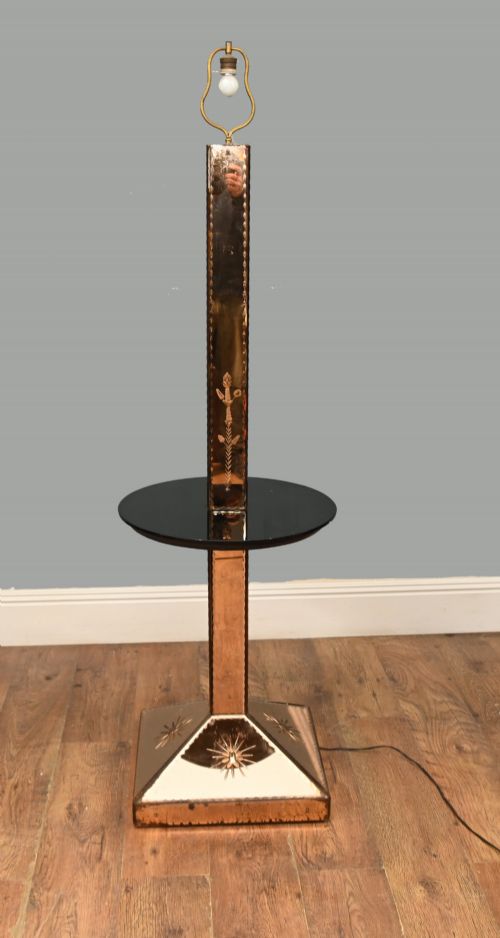


1930s Art Deco Standing Lamp
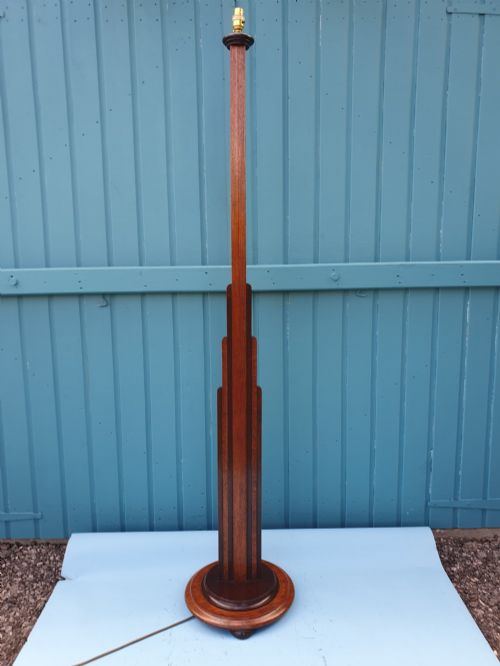
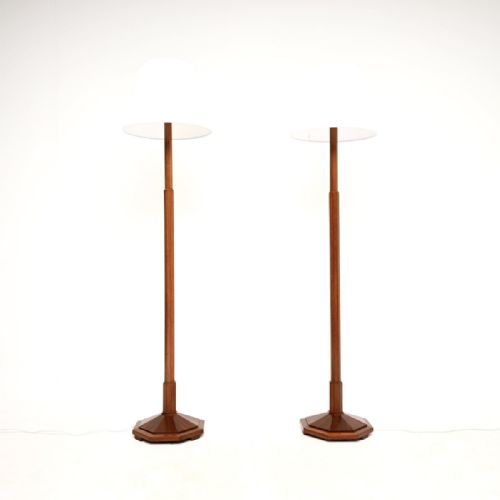
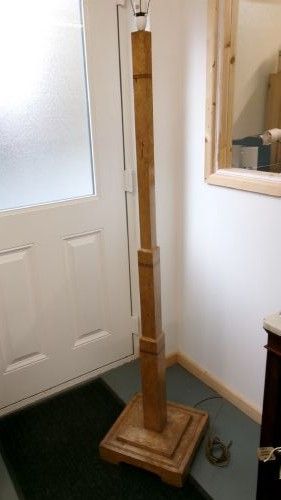
A 1930s art deco standing lamp brings architectural presence and focused illumination to a room, combining geometric forms with period materials.
1930s Art Deco Standing Lamp
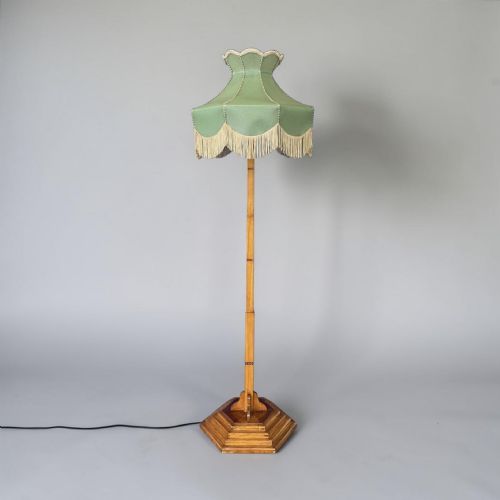
The phrase 1930s art deco standing lamp brings together tall floor-standing lighting fixtures produced during the interwar decades, primarily manifesting as standard lamps, torcheres, and uplighters. These vertical fittings provide ambient or task illumination while serving as sculptural elements within an interior.
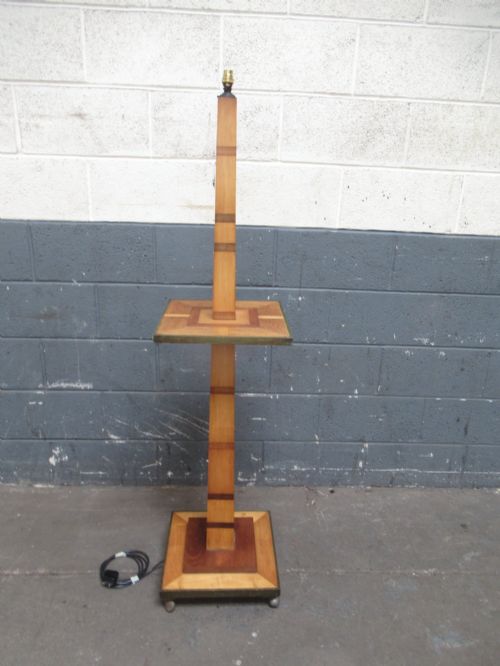
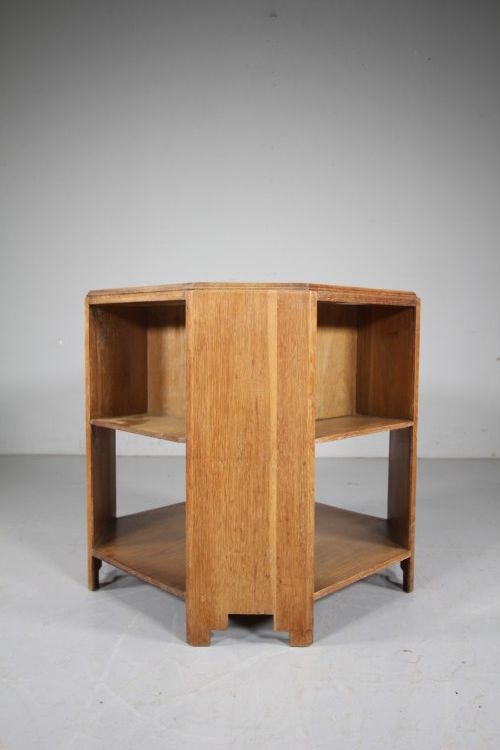
Examples on this page appear in various timber, metal, and glass combinations, often incorporating integrated furniture surfaces such as cocktail tables or shelves. The forms span streamlined modernist silhouettes and skyscraper or Odeon styles, reflecting the design vocabulary of the period.
How they were made
Maker construction relies on cabinet-making timbers like oak, walnut, blond walnut, burr walnut, and birds-eye maple, paired with metals such as brass, chrome, and giltwood. Wood sections are shaped, veneered, and polished to highlight natural grain patterns, while metal components provide structural support and reflective contrast.
Fittings incorporate glass shades, marble accents, and fabric coverings, requiring specialised joining and wiring methods appropriate for the era. The integration of auxiliary surfaces like glass cocktail tables demonstrates multi-functional construction techniques typical of interwar interior design.
Some 1930s floor lamps double as cocktail tables, proving interwar designers understood the absolute necessity of a handy drink surface.
What varies in quality
Quality differences lie in the selection of timber veneers and the precision of geometric joinery, distinguishing standard production from high-end workshop pieces. Superior examples utilise figured woods like burr walnut or birds-eye maple with balanced grain matching.
The integrity of metal plating, the weight and stability of bases, and the originality of glass or fabric components also separate basic utilitarian lighting from notable design pieces attributed to period makers.
Harry and Lou Epstein·Heals·Hille
The 1930s Art Deco Standing Lamp Glossary
- Standard lamp
- A tall floor lamp designed to illuminate a room from a standing position. These fixtures typically feature a central wooden or metal shaft rising from a weighted base.
- Torchiere
- An uplighter floor lamp that directs light upwards toward the ceiling. This form creates soft ambient illumination in a space.
- Odeon style
- A design aesthetic characterised by stepped, skyscraper-like setbacks reminiscent of 1930s cinema architecture. It emphasises verticality and geometric progression.
- Blond walnut
- A light-toned variety of walnut timber popular in interwar furniture and lighting manufacture. It offers a softer visual weight than dark European walnut.
1930s Art Deco Standing Lamp: Frequently Asked Questions
How do I place a standing lamp in a room?
Position a standing lamp in an empty corner or beside seating to provide layered vertical illumination without cluttering floor space. Models with integrated tables can function simultaneously as surface space and light sources.
Ensure the height and reach of the fitting complement surrounding furniture proportions and existing architectural lines.
What materials are typical for these lamps?
Interwar standard lamps commonly utilise timbers such as oak, walnut, and birds-eye maple combined with brass, chrome, or metal elements. Glass, marble, and fabric elements frequently complete the design.
Matching the timber tone to other furniture in a room helps maintain visual cohesion across the interior.
How do I distinguish 1920s from 1930s pieces?
Pieces from the 1920s often retain transitional decorative elements, whereas 1930s designs lean towards streamlined, geometric, and skyscraper forms. Overlaps in cabinet-making techniques mean stylistic cues are more reliable than dates alone.
Examine the silhouette and veneer choices to determine where a piece sits within the interwar timeline.
Are these lamps suitable for modern electrical systems?
Many vintage lamps require rewiring to meet current safety standards and plug configurations. A qualified electrician can update internal wiring while preserving original lamp holders and switches.
Retaining original structural elements ensures the physical integrity of the piece remains undisturbed during any necessary electrical updates.