


1930s Art Deco Seat
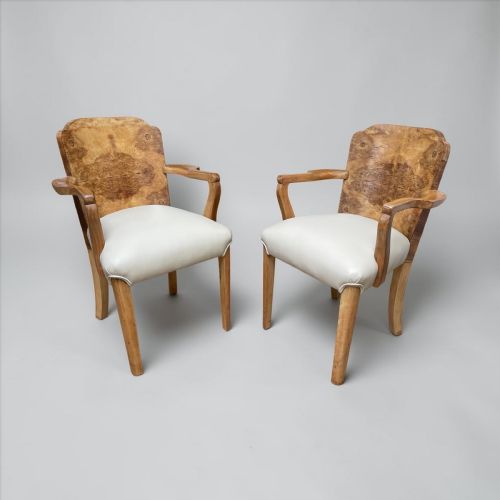
These 1930s art deco seats combine bold twentieth-century silhouettes with practical comfort, offering a striking focal point for any interior.
1930s Art Deco Seat
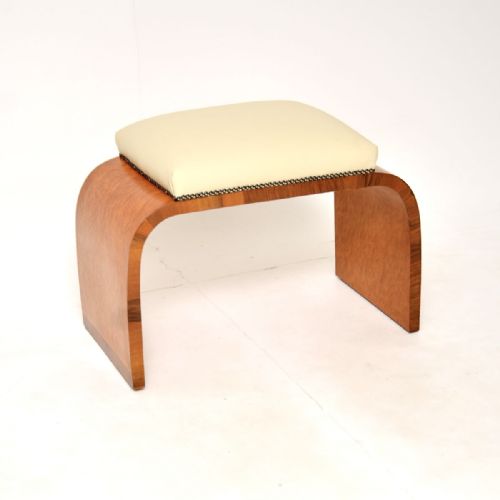
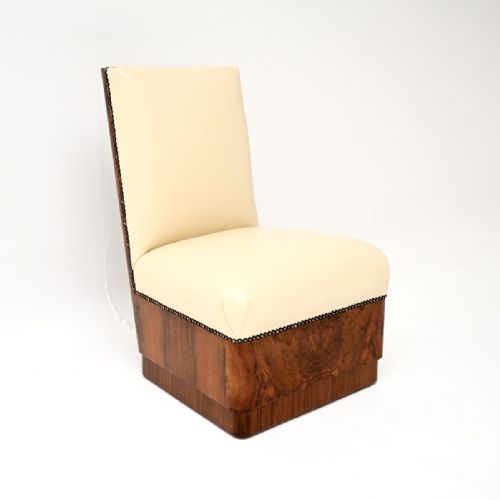
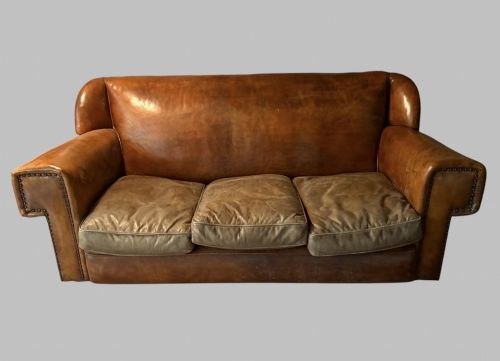
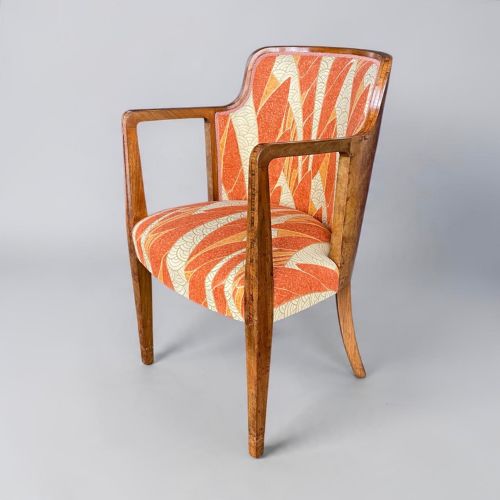
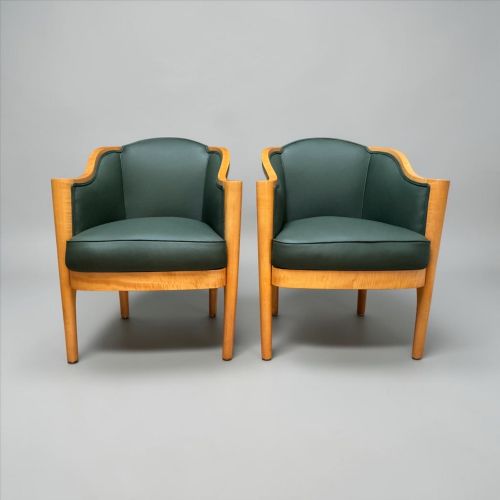
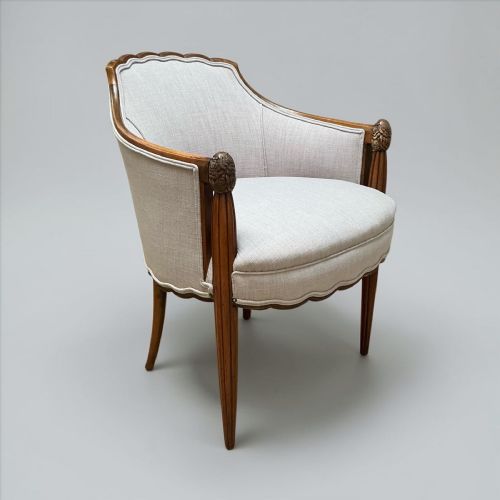
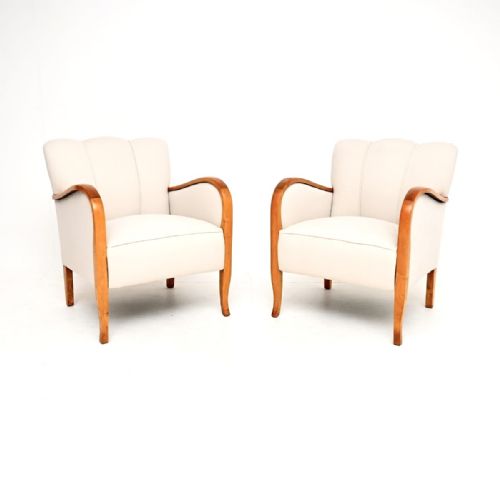
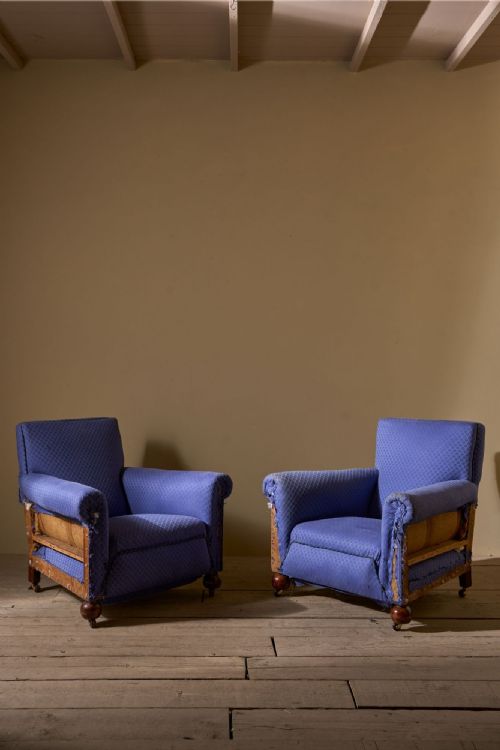
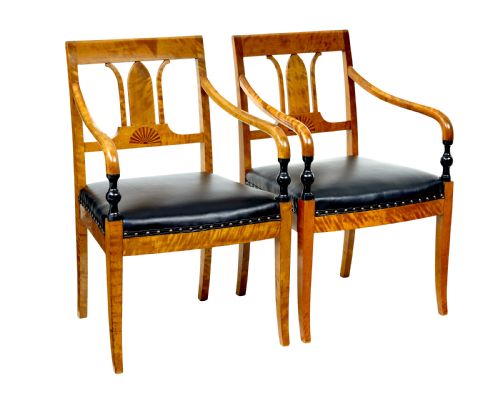
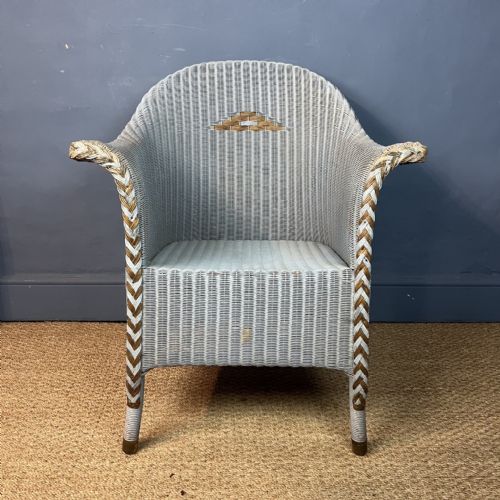
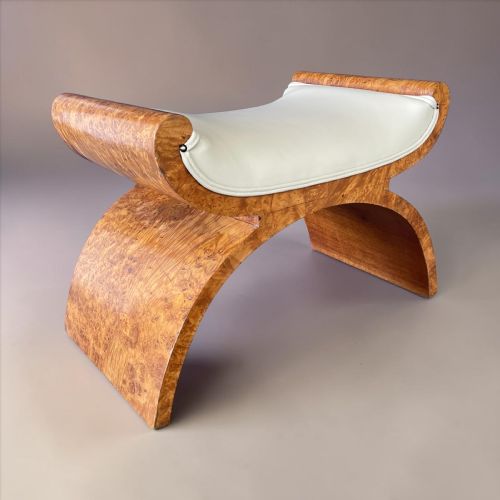
A 1930s art deco seat encompasses a varied selection of functional furniture designed during the interwar period. The inventory includes armchairs, club chairs, dining chairs, sofas, and stools originating from English, French, and Swedish workshops.
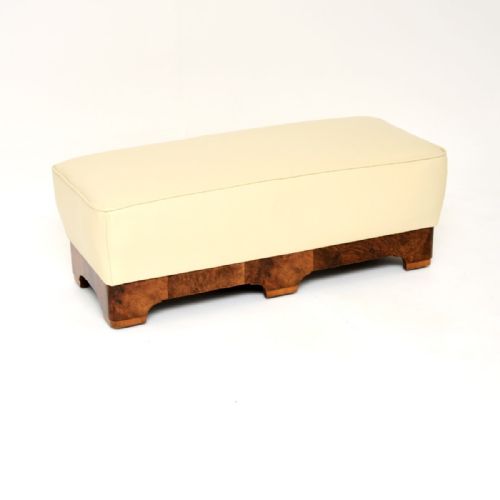
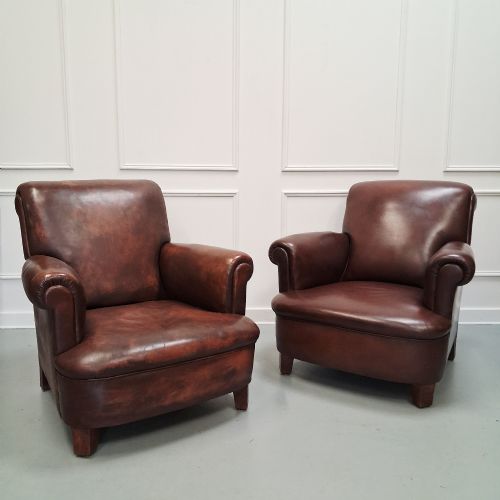
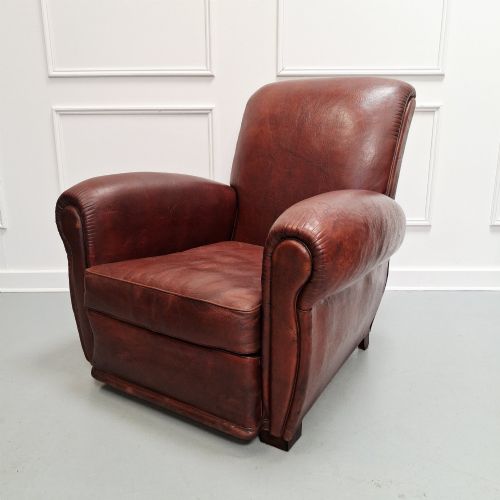
Armchairs and club chairs dominate the selection, often appearing in pairs with substantial upholstered frames. Buyers frequently encounter low stools intended for dressing tables or pianos alongside larger lounge suites.
How they were made
Frames utilise solid timbers and hardwoods such as oak, walnut, and birch, frequently accented with decorative veneers like burr walnut, birds eye maple, and satin birch. Upholstered elements rely on traditional padding covered in leather or fabric.
Construction techniques combine sturdy wooden joinery with specialised bending methods, particularly seen in bentwood designs. Leather upholstery often incorporates button-back detailing or smooth finishes tailored to the rounded contours of the frames.
1930s Art Deco Seat Retail Price Guide 2026
Typical asking prices for 1930s art deco seat among the pieces listed under this phrase on Sellingantiques today, from the lower quarter to the upper quarter. They describe what is for sale here now, not the wider market.
Among the seating is an original painted figure of a female sitting quietly, keeping watch over the armchairs and stools.
What varies in quality
The choice of timber veneer significantly influences visual appeal, with highly figured grains like burr walnut and birds eye maple elevating the aesthetic. The handling of exposed woodwork and the precision of upholstery finishes distinguish standard items from finer productions.
Origin and attribution play a role in character, as regional variations - from streamlined Swedish satin birch to robust English oak and substantial French leather - display distinct craftsmanship priorities.
Hille·Harry and Lou Epstein·Bath Cabinet Makers·Heals
The 1930s Art Deco Seat Glossary
- Club chair
- A deep, comfortable armchair featuring upholstered arms and a low back, frequently finished in leather. These chairs originated in French and English clubs.
- Burr walnut
- A prized timber veneer obtained from the knot growths of walnut trees, noted for its swirling, intricate grain patterns. It provides a decorative surface on furniture frames.
- Bentwood
- Wood that has been heated and bent into curved shapes during construction. This technique creates rounded structural components without traditional joints.
- Satin birch
- A pale, lustrous timber utilised extensively in Scandinavian furniture design. It offers a smooth surface that complements geometric forms.
1930s Art Deco Seat: Frequently Asked Questions
How do I identify a club chair?
Club chairs are distinguished by their deep seating proportions, low backs, and padded arms designed for relaxation.
They are commonly upholstered in leather and possess a heavy, substantial presence compared to standard dining seating.
What woods were used for frames?
Cabinet makers utilised a range of domestic and imported timbers, including oak, walnut, birch, and assorted hardwoods.
Finer examples frequently employ decorative veneers such as burr walnut and birds eye maple across the exposed surfaces.
Are dressing table stools common?
Stools designed for dressing tables or pianos appear regularly within the seating selection.
These pieces often feature upholstered tops, occasionally with storage compartments integrated beneath the seat.
How do Swedish and French pieces differ?
Swedish items frequently highlight pale timbers like satin birch with clean, streamlined geometric lines.
French pieces lean towards substantial leather upholstery and rounded club configurations, whereas English examples often feature oak or walnut.