





1930s Art Deco Nude
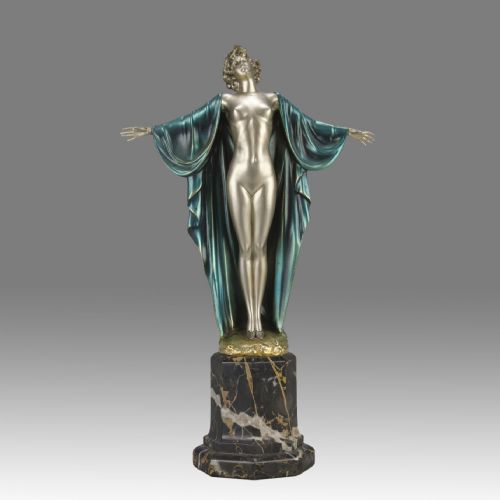
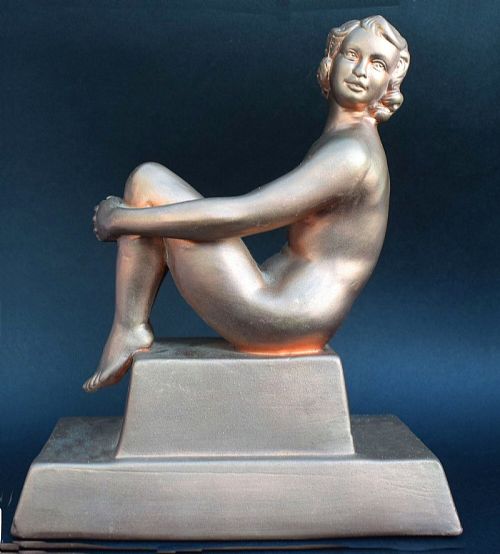
A 1930s art deco nude captures the bold energy of the interwar period through stylised figures and confident forms.
1930s Art Deco Nude
A 1930s art deco nude represents the female form through the distinctive stylistic lens of the interwar period. These works encompass sculptural figures, table lamps, oil paintings, and framed drawings produced primarily across France, England, and the wider School of Paris. The most frequent encounters on this page are bronze and spelter statuettes mounted on marble or onyx bases, alongside period canvas paintings and works on paper.
The figures often depict dancers, athletes, or reclining models captured in dynamic motion or poised repose. Creators from this era embraced stylised geometry and sleek lines, moving away from Victorian realism towards a modern aesthetic. Whether executed in metal, glass, or porcelain, these pieces serve as quintessential markers of interwar decorative arts.
How they were made
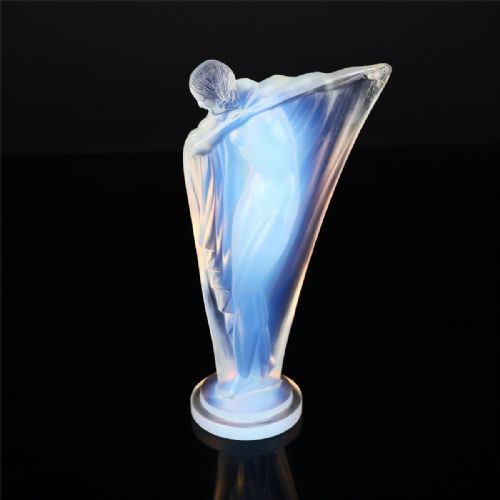
Makers utilised a diverse array of materials to construct these figures, pairing cast metals such as bronze, gilt bronze, and patinated spelter with heavy stone plinths of marble and alabaster. Sculptors frequently employed cold painting techniques to add surface colour and detail to metal surfaces. Moulded opalescent glass and fine porcelain also emerged as key mediums for figural production.
Two-dimensional works rely on oil paint on canvas or coloured drawing materials such as chalk, ink, and paper. Metal sculptures frequently rest upon turned marble or onyx bases, anchoring the upright or reclining poses with substantial weight.
One exotic dancer moonlights as a postmistress.
What varies in quality
In painted works and drawings, the sureness of the line and the expressiveness of the brushwork separate standard decorative items from accomplished artistic compositions. Designer attribution and documented foundry marks further elevate a piece, distinguishing mass commercial output from signed studio editions.
Ferdinand Preiss·Josef Lorenzl·Lucien Gibert·Gaetan Dumas·Sibylle May·Lucille Sevin·Royal Dux·Ugo Cipriani·C Neuhaus·Henry Bird·Balleste
The 1930s Art Deco Nude Glossary
- Spelter
- A zinc alloy commonly used as a cost-effective alternative to bronze for decorative figures. It accepts patination and cold painting readily.
- Cold painted
- A method where paint is applied to a metal object without subsequent high-temperature firing. This finish is delicate and prone to surface loss.
- Opalescent glass
- Glass that displays a milky, translucent quality with shifting tones of colour when viewed in the light. It was favoured by French glassmakers for decorative figurines and lighting.
- Patination
- The chemical or natural treatment applied to metal surfaces to alter colour and provide an aged finish. It protects the underlying metal while defining the contours of the sculptured form.
1930s Art Deco Nude: Frequently Asked Questions
What materials were used for 1930s art deco nudes?
Makers utilised bronze, spelter, opalescent glass, porcelain, alabaster, and oil paint. Bases were typically fashioned from heavy marble or onyx.
Metal figures often received cold painted surface finishes to enhance the clothing and hair details.
How do I identify a period piece?
Examine the base materials, casting quality, and stylistic proportions characteristic of the interwar decades. Signatures or foundry stamps etched into the metal or stone provide firm attribution.
Stylisation of the hair and physique follows the distinct geometric design codes of the era.
Were these pieces made in England or France?
A significant portion of the sculptural and painted works originated in France, particularly around Paris. English workshops and factories also produced local variations of lamps and figures.
Continental foundries supplied many of the signed bronze and spelter editions found today.
How were figural lamps used in period interiors?
These decorative lamps served as functional lighting and sculptural art pieces on tables and sideboards. The glowing glass globes or balls integrated directly into the dancer's pose.
They provided ambient accent lighting within interwar domestic spaces.