



1930s Art Deco Figures
These 1930s art deco figures bring crisp lines and stylised motion into a room, capturing the modernist pulse of the interwar period.
1930s Art Deco Figures
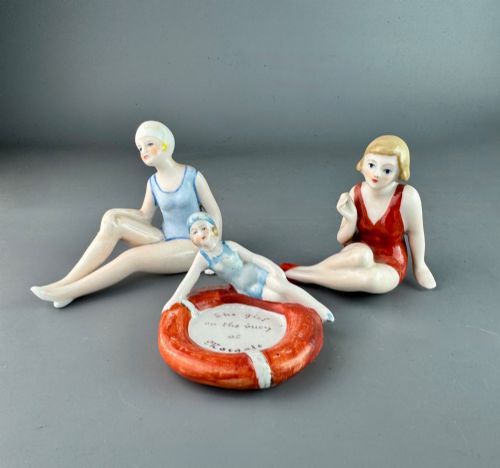
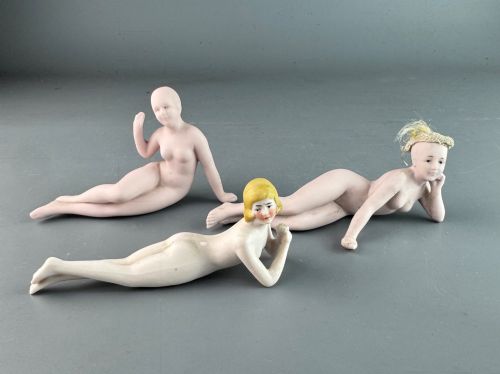
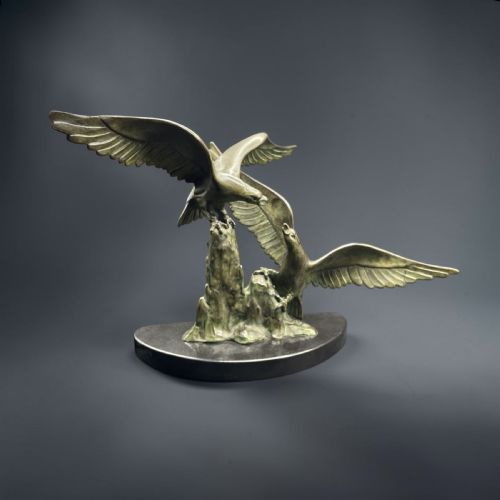
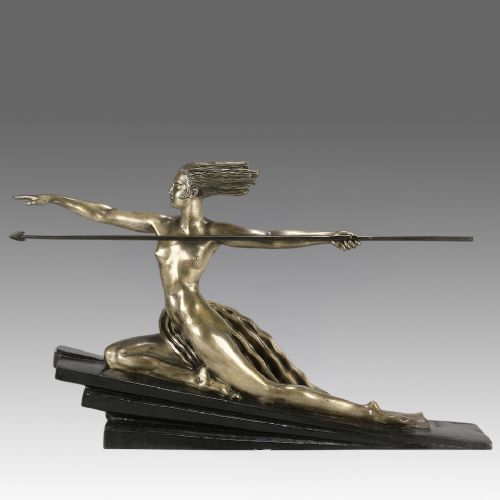
When searching for 1930s art deco figures, collectors encounter both standalone decorative sculptures and utilitarian forms integrated with figurative design. The selection includes ceramic bathing beauties, metal dancer statuettes, animal groups, and illuminated lady lamps.
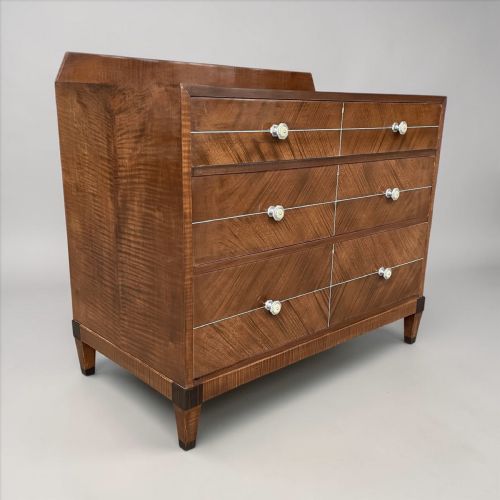
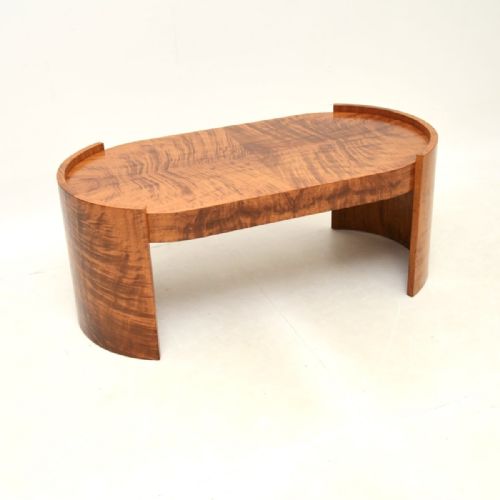
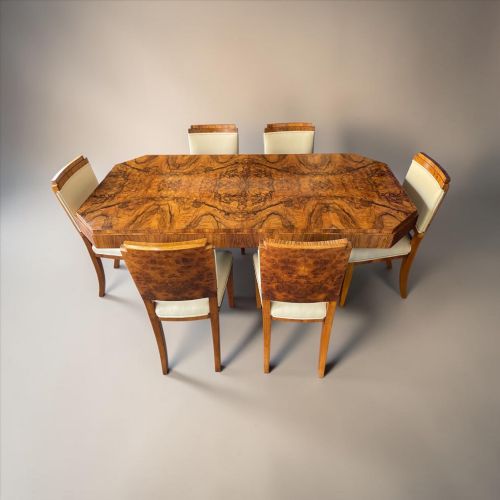
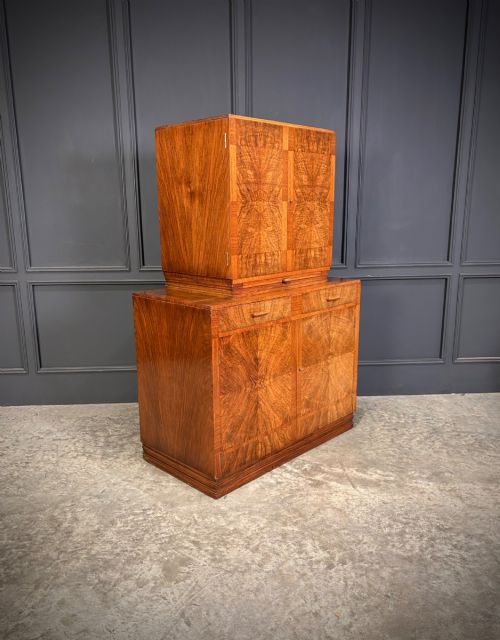
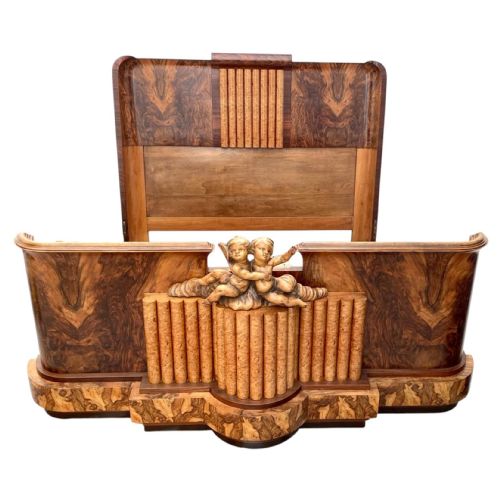
Originating largely from the 1920s and 1930s, these pieces capture the distinct styling of the period. Alongside these dedicated sculptures, buyers frequently meet furniture that incorporates sculptural elements or shares the same material vocabulary.
Materials and construction
Materials span cast metals like bronze and spelter, alongside ceramics such as porcelain and bisque. Many figural compositions also incorporate carved onyx bases, marble plinths, and moulded glass elements.
The fabrication relies on specialist casting and moulding techniques developed during the early twentieth century. Metal figures often receive patination, while ceramic bathing beauties are finished with smooth glazes or left as matte bisque.
1930s Art Deco Figures Retail Price Guide 2026
Typical asking prices for 1930s art deco figures among the pieces listed under this phrase on Sellingantiques today, from the lower quarter to the upper quarter. They describe what is for sale here now, not the wider market.
Elephants and pheasants join the dancers and bathing beauties, proving the era possessed a soft spot for heavy wildlife.
Quality variations
Quality rests primarily in the crispness of the casting and the fidelity of the sculptural detail. Finer examples display clean facial expressions, well-defined drapery, and balanced proportions without smoothing or loss of definition.
The choice of base material and mounting also distinguishes the tier of a piece. High-grade works utilise genuine marble or onyx plinths alongside quality patinated bronzes rather than lightweight spelter and simpler ceramics.
Bath Cabinet Makers·Jean de Roncourt·Josef Lorenzl·M.Font·Badini·Lalique
The 1930s Art Deco Figures Glossary
- Spelter
- A zinc alloy commonly utilised as a cost-effective alternative to bronze in interwar statuary. It takes patination well but requires careful handling due to its relative softness.
- Bisque
- Unglazed ceramic porcelain that provides a matte, tactile surface. It was frequently chosen for figures to highlight delicate modelling without distracting surface gloss.
- Patina
- The surface sheen or colour developed on metal over time or applied chemically by the maker. A well-preserved patina enhances the depth of sculptural details.
- Veneer
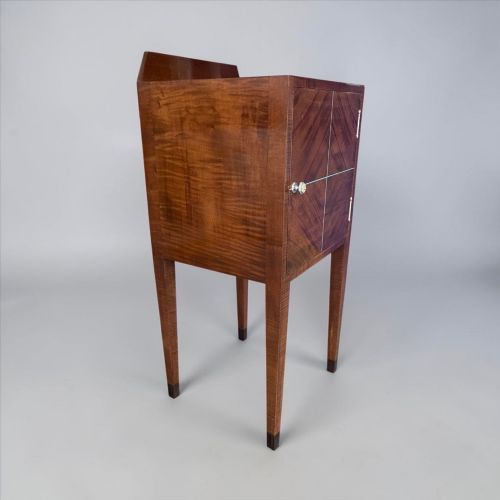
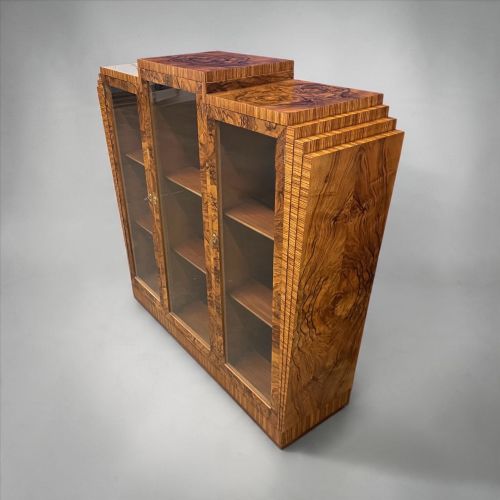
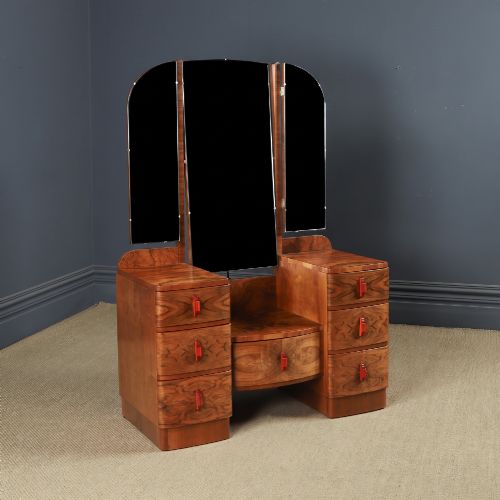
- A thin layer of figured walnut applied over a secondary timber core. This technique allows makers to display striking grain patterns across flat surfaces and cabinet doors.
1930s Art Deco Figures: Frequently Asked Questions
How do I identify a genuine period piece?
Examine the materials, casting quality, and styling relative to the 1920s and 1930s production methods. Genuine examples display the specific patination, weight, and fabrication techniques characteristic of the era.
Check for artist signatures or foundry marks where applicable. Comparing the piece against documented works by known sculptors helps confirm authenticity.
Where should I place a figure in my home?
Figures suit prominent surfaces where their form and silhouette can be appreciated without visual clutter. Mantelpieces, side tables, and dedicated display cabinets offer stable settings.
Ensure the piece is placed away from heavy traffic areas to prevent accidental knocks. Lady lamps function well on occasional tables where their integrated lighting provides ambient illumination.
How do I care for bronze and spelter figures?
Dust metal figures regularly with a soft, dry cloth to prevent particulate buildup. Avoid chemical cleaners or excessive moisture that can damage patination.
Keep pieces away from direct sunlight and heat sources to preserve the finish. Occasional gentle dusting is generally sufficient for maintenance.
What is the difference between bronze and spelter?
Bronze is a durable copper alloy valued for its strength and ability to hold fine detail during casting. It forms a stable, rich surface over time.
Spelter is a softer zinc-based metal used as an economical substitute in many decorative figures. While visually similar when patinated, spelter is lighter and more fragile than bronze.