
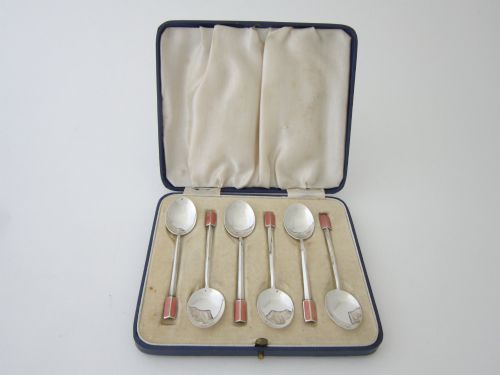



1930s Art Deco Box
A 1930s art deco box brings geometric clarity and rich materials to a dressing table or desk.
1930s Art Deco Box
A 1930s art deco box is designed to hold trinkets, cigarettes, powder, or vanity items while displaying the signature lines of the period.
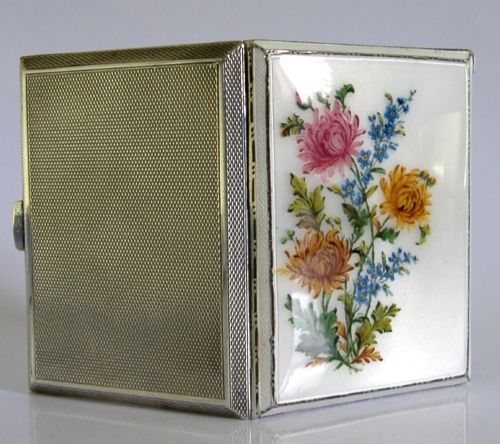
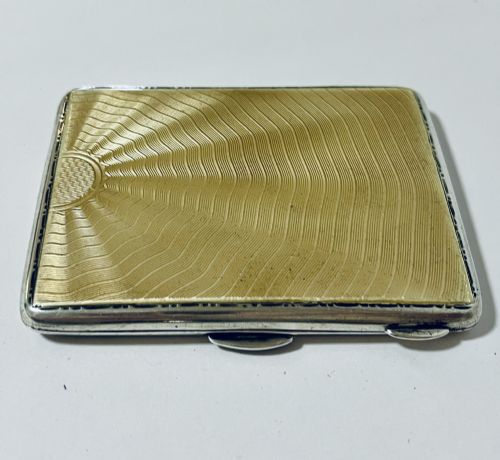
The selections encountered here range from sterling silver cigarette cases and enamel jars to ceramic powder boxes topped with flapper figures.
Originating predominantly from the 1920s to the 1940s, these objects combine practical storage with the decorative flair of the George V era.
How they were made
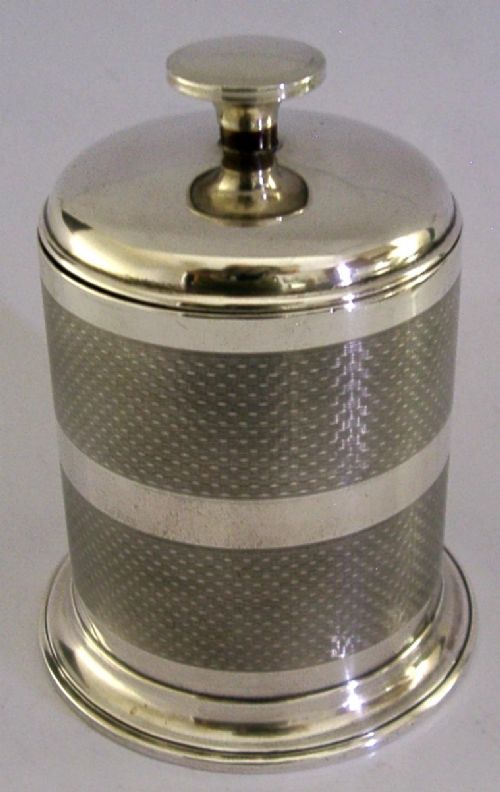
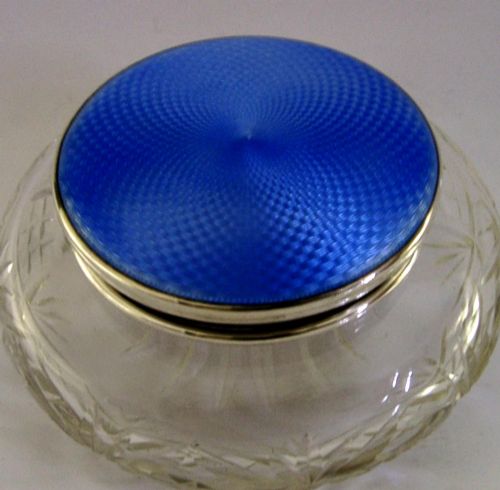
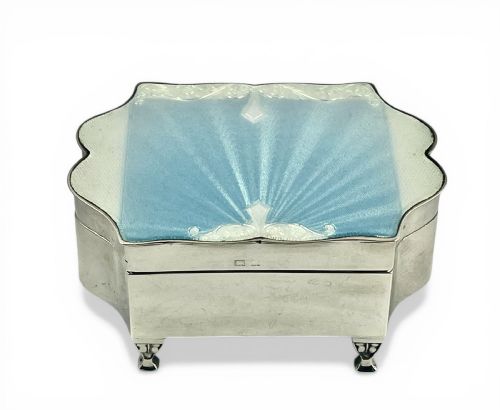
Metals such as sterling silver and bronze form the structural chassis of many boxes, often paired with guilloche enamel or hand-painted floral motifs.
Ceramic and porcelain versions employ moulded bodies, frequently finished with glazed figural lids depicting bathing belles or flappers.
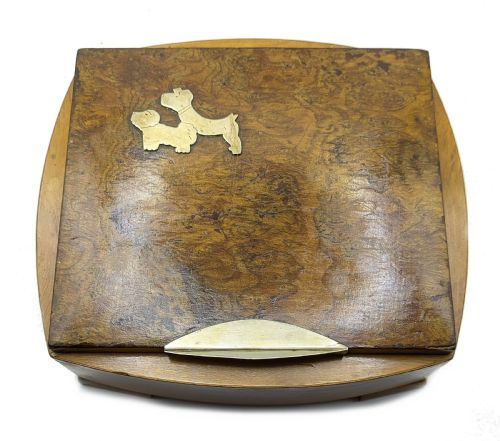
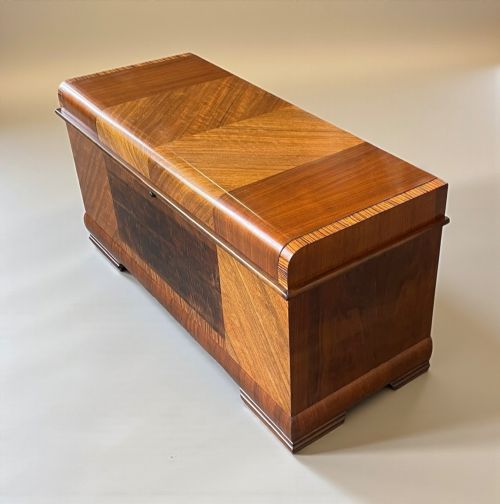
Organic materials including shagreen, bone, wood, and glass provide tactile contrast and texture to the metallic and ceramic frameworks.
Scottie dogs and bathing belles keep a watchful, ceramic eye over the vanity tables of the era.
What varies in quality
The standard of workmanship shows in the crispness of the geometric inlay, the tightness of the hinged lids, and the precision of the metal joins.
Enamelwork quality is determined by smooth, unblemished surfaces and even colour application, free from heavy chipping or hairline fractures.
Material selection divides standard utilitarian vessels from luxury pieces featuring precious metals, gemstones, or exotic skin trims.
Van Cleef and Arpels·Richard Hudnut
The 1930s Art Deco Box Glossary
- Guilloche
- A decorative engine-turning technique that etches precise, intricate geometric patterns into metal before translucent enamel is applied.
- Shagreen
- A type of untanned leather, historically prepared from shark or stingray skin, prized for its distinct pebble-grained texture.
- Flapper
- A cultural archetype of the 1930s, frequently depicted in ceramic or porcelain on the lids of powder and trinket boxes.
- George V
- The reigning British monarch during the core production years of these pieces, often associated with hallmarked sterling silver items.
1930s Art Deco Box: Frequently Asked Questions
What were 1930s art deco boxes used for?
These vessels served everyday domestic functions on dressing tables, desks, and smoking rooms. They held loose powder, cigarettes, matches, trinkets, and personal valuables.
The interiors were often lined with velvet or suede to protect delicate items, reflecting the orderly and luxurious habits of the period.
How do I care for an enamel box?
Enamel surfaces require gentle handling to prevent chipping or scratching against hard objects. Clean them simply with a soft, dry cloth rather than chemical dips.
Keep silver and metal components polished with appropriate non-abrasive compounds, taking care to avoid direct contact with the fragile enamel panels.
How can I tell the period?
Dating relies on a combination of materials, design motifs, and official assay hallmarks stamped onto the metal components. The distinct geometric lines and figurative styles point directly to the 1930s.
Maker marks and registration numbers found on the base or interior lids offer further confirmation of the exact decade of manufacture.