



1920s Vintage Rug
When choosing a 1920s vintage rug, you are selecting a floor covering that brings genuine period texture and traditional village craftsmanship into a modern interior.
1920s Vintage Rug
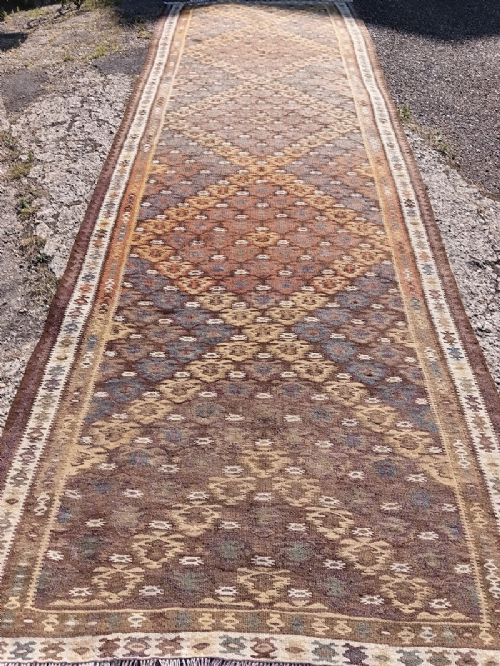
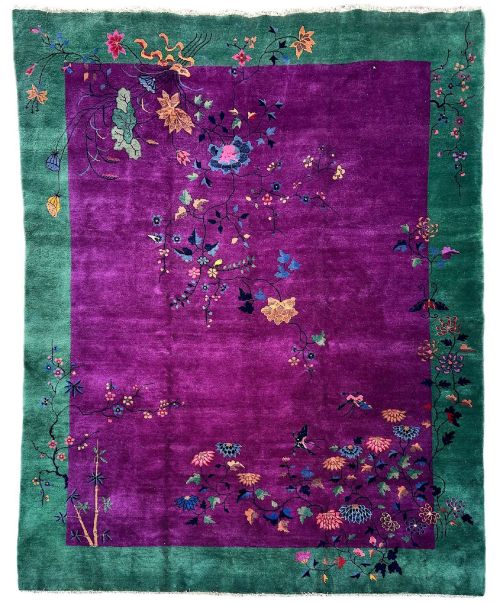
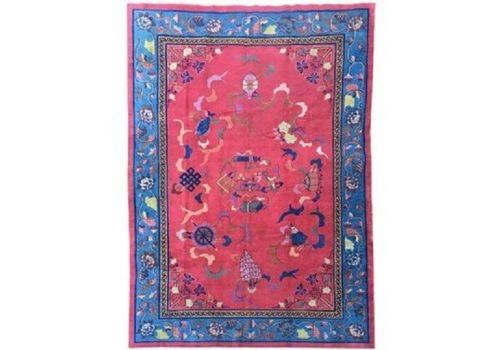
A 1920s vintage rug encompasses hand-knotted carpets, flatweave kilims, and prayer formats originating from Persian, Afghan, Anatolian, Caucasian, and Chinese traditions. These textiles were produced in village workshops, tribal camps, and urban centres during the early decades of the twentieth century.
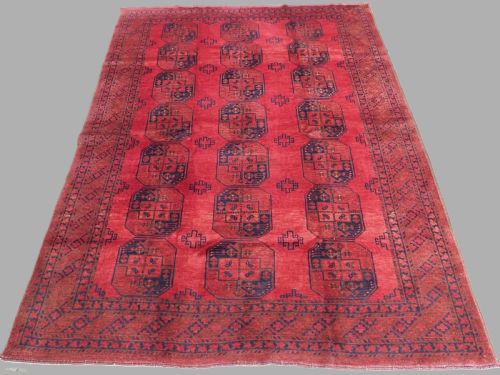
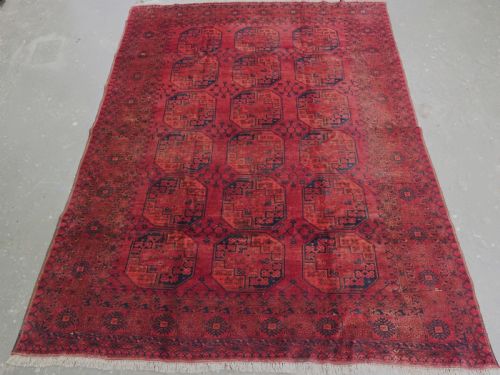
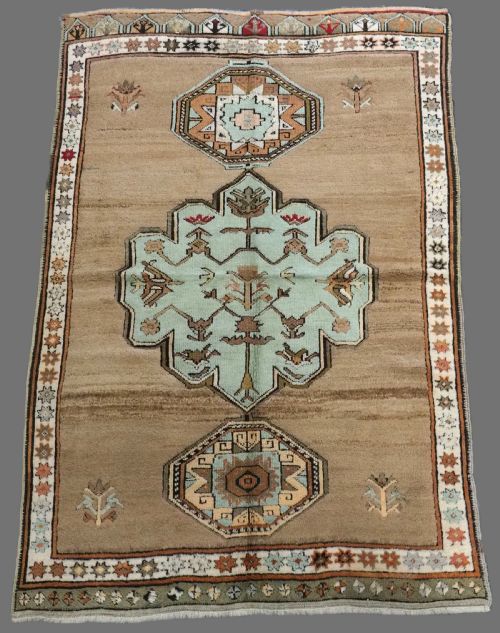
The most common examples on this page are Afghan tribal and village pieces, including Ersari and Baluch weaves featuring classic warm red colour palettes and traditional geometric motifs. Alongside these, buyers will frequently encounter Persian Kashan and Heriz formats, Turkish Konya and Ushak runners, and flatweave kilims.
Many of these carpets serve specific functions, such as meditation rugs, prayer mats with mihrab designs, or large area carpets intended for domestic reception rooms. Their enduring appeal lies in the combination of hardy utility and authentic regional artistry.
How they were made
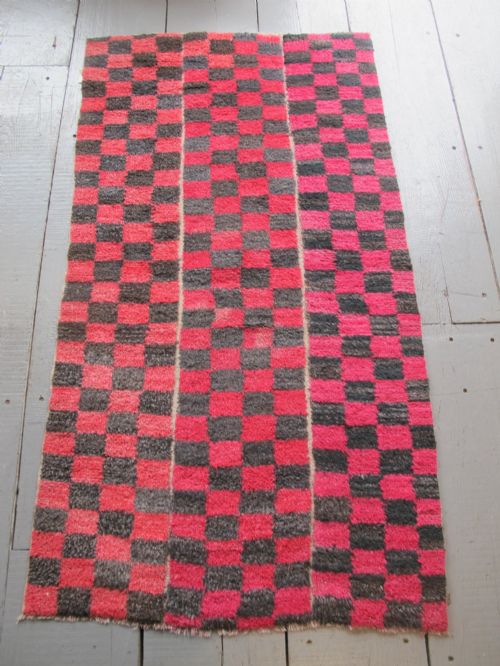
Makers constructed these rugs predominantly using hand-knotted wool, cotton foundations, and occasionally camel wool, silk, or Tibetan wool depending on the regional provenance. Natural dyes provided the foundational colour palette, yielding soft faded patinas and warm red tones over decades of light and wear.
Techniques varied between pile knotting on vertical looms and flatweaving methods used for kilims and Suzani embroideries. Detail work such as long kilim ends, multi-part construction, and intricate floral vase or geometric gul designs required skilled manual execution by regional weavers.
1920s Vintage Rug Retail Price Guide 2026
Typical asking prices for 1920s vintage rug among the pieces listed under this phrase on Sellingantiques today, from the lower quarter to the upper quarter. They describe what is for sale here now, not the wider market.
Listings feature 1910 and 1920 periods alongside materials including Tibetan wool, camel wool, and natural dyes.
What varies in quality
Quality in these textiles depends on the density of the knotting, the stability of the foundation materials, and the integrity of the natural dyes utilised by the weaver. Tightly constructed pile and durable wool selection dictate whether a carpet survives heavy domestic foot traffic.
Artistic execution and regional fidelity also distinguish finer examples, such as the precision of a Kashan floral vase design or the balanced symmetry of a Heriz star medallion. Condition variables, including timeworn repairs and balanced faded patinas, influence the overall visual harmony of the piece.
Benlian Tabriz
The 1920s Vintage Rug Glossary
- Kilim
- A flatweave carpet or rug produced by tightly interweaving warp and weft strands without a knotted pile. These pieces are typically lighter in weight and feature sharp geometric patterns.
- Mihrab
- A niche design depicted on prayer rugs that indicates the direction of prayer, often taking the form of an arch or triple-lobed contour. Weavers frequently ornament this field with rams horn motifs or star details.
- Gul
- A medallion or repeating octagonal motif traditional to Turkmen and Afghan tribal weaving. These geometric patterns often anchor the primary field of village carpets.
- Suzani
- An embroidered textile panel originating from Central Asia, executed in silk on cotton or wool grounds. They frequently appear in prayer formats or decorative wall hangings.
- Warp
- The vertical threads stretched upon a loom that form the structural foundation of a knotted rug. The exposed ends of these threads often terminate in decorative kilim fringes.
1920s Vintage Rug: Frequently Asked Questions
How do I identify a 1920s prayer rug?
Prayer rugs from this period typically feature a distinct mihrab arch design at one end, intended to direct the user during daily devotions. They often incorporate traditional motifs such as lotus leaves, floral vases, or repeating seh mihrab arches.
These formats tend to be smaller in scale than general area carpets, making them versatile for wall display or placement in compact residential spaces.
What is the difference between a kilim and a carpet?
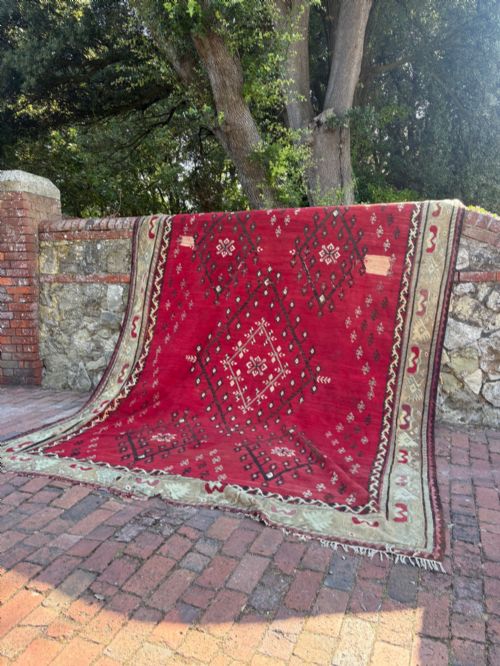
Kilims are flatwoven textiles made without a knotted pile, resulting in a lighter, flexible structure with visible geometric banding and chevron patterns. Carpets utilise a knotted wool or silk pile on a foundation, providing greater thickness and durability underfoot.
Both forms utilise traditional regional dyes and motifs, but their construction methods create distinct textures and weights.
How do I care for a vintage wool rug?
Maintenance requires gentle vacuuming without a rotating brush roll to protect the delicate hand-knotted pile and historical edges. Professional cleaning tailored for antique textiles helps preserve the natural dyes and lanolin in the wool.
Positioning the rug away from direct, harsh sunlight prevents uneven fading of the natural dye palette over time.
Where were Afghan tribal rugs made?
These textiles were produced by nomadic and village communities across regions such as Aqcha and other traditional weaving settlements. Weavers employed durable sheep wool and camel wool to withstand demanding nomadic conditions.
The resulting carpets are recognised by their sturdy construction and characteristic warm red colourways.