
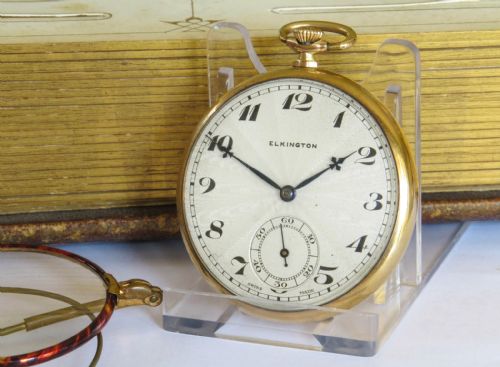


1920s Swiss Pocket Watch
A 1920s Swiss pocket watch brings reliable horology and distinct Art Deco character to the waistcoat pocket.
1920s Swiss Pocket Watch
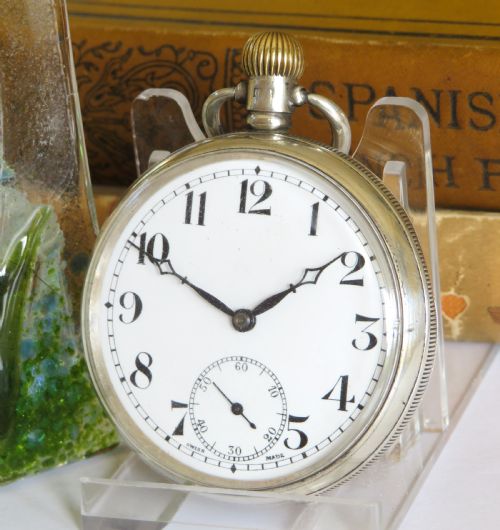
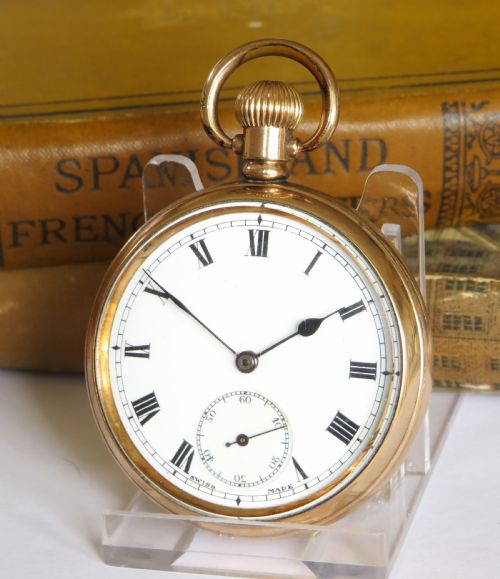
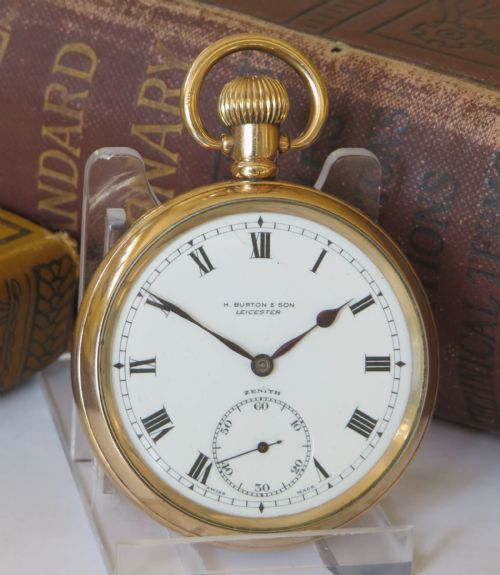
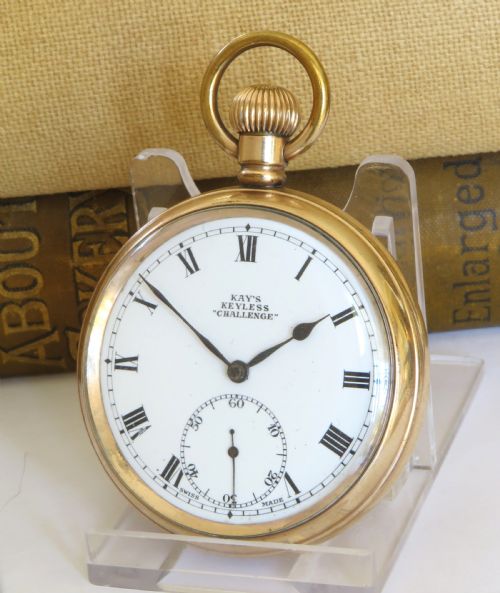
A 1920s Swiss pocket watch represents a period of refined mechanical production from European horological centres. Buyers seeking this phrase encounter stem winding pieces styled in the prevalent Art Deco aesthetic of the era.
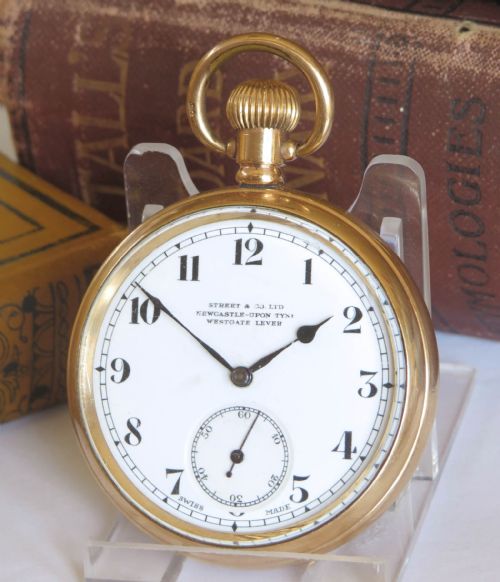
The selections available here span open faced models and enclosed full hunter or half hunter variants. Silver, gold, gold plate, steel, and gun metal provide the primary housing for these functional timepieces.
Makers from this decade produced robust daily carriers alongside finer cased examples. Many surviving pieces retain original chains and alberts, offering a complete set for the collector.
Materials and construction
Watchmakers utilised durable metals including silver, steel, and gold plate to house the delicate internal movements. Glass protected the dial face, while enamel often provided crisp chapter rings and numerals.
Stem winding mechanisms replaced older key wound systems, allowing daily operation via the crown. Precision jewelled movements reduced friction within the gear trains to maintain steady timekeeping.
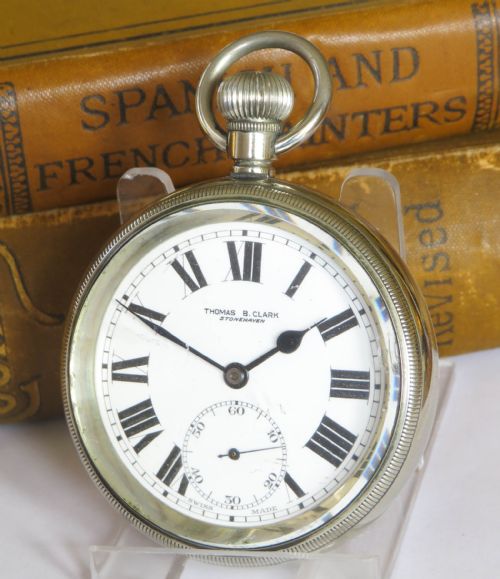
Railway lever models required the front bezel to be unscrewed before setting the time, preventing accidental adjustments in transit.
Distinctions in quality
The grade of a movement and the preciousness of the metal case separate standard utility pieces from higher tier items. Solid gold or heavy silver housings combined with multi jewelled Swiss movements indicate superior original manufacture.
Condition of the enamel dial and the crispness of Art Deco case decoration influence the overall integrity of the watch. Intact glass and smooth operation of the stem winding mechanism demonstrate careful preservation over the decades.
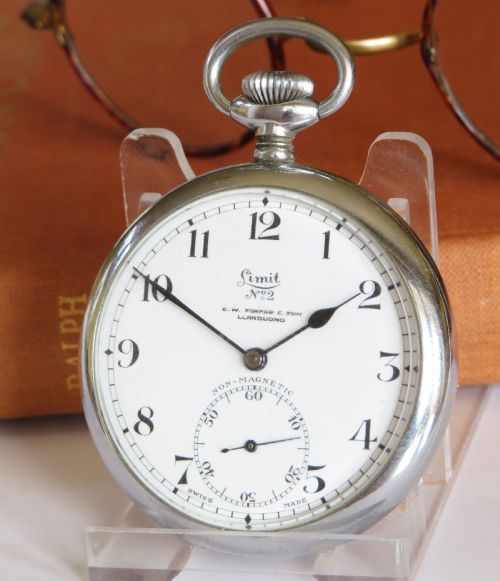
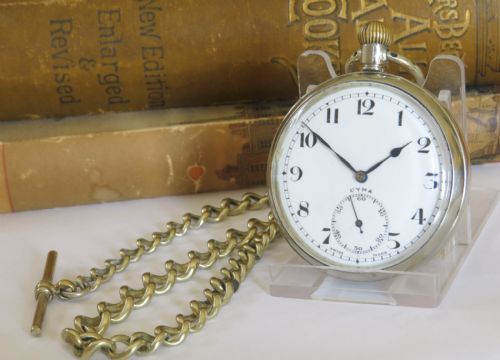
Limit No 2·Cyma·Revue·Minerva·Zenith·Elkington·Lonville·Meyer and Studeli·J W Benson·Tavannes·Omega·Monte Ancre·Madix·Criterion·Anglo Swiss Watch Co·Muller and Vaucher·Ramson·Armand Jeanneret
The 1920s Swiss Pocket Watch Glossary
- Stem winding
- A mechanism allowing the mainspring to be wound via the crown rather than a separate key. This innovation became standard practice by the twentieth century.
- Full hunter
- A pocket watch featuring a spring loaded metal cover that protects the glass dial. Depressing the crown opens the case.
- Half hunter
- A pocket watch case with a small aperture or glass window in the outer cover. This permits reading the hands without opening the entire lid.
- Albert
- A chain attached to a pocket watch for securing the piece to a waistcoat or belt. Named after Prince Albert, these often match the metal of the watch case.
- Enamel
- A glassy substance fused to a metal dial substrate under high heat. It provides a durable, smooth surface for painted numerals and markings.
1920s Swiss Pocket Watch: Frequently Asked Questions
How do I wind a 1920s Swiss pocket watch?
Turn the crown gently between your thumb and forefinger in a clockwise direction until a point of resistance is felt. Do not force the spring past this point to avoid overwinding and internal damage.
Set the time by pulling the crown outward slightly and rotating it until the hands align correctly. Push the crown back into its running position before placing the watch in a pocket.
Can I wear a pocket watch daily?
These watches served as everyday timekeepers in the twentieth century and remain suitable for regular use. Pairing the piece with a secure albert chain prevents accidental drops.
Keep the watch away from moisture and strong magnetic fields to maintain mechanical health. Routine professional servicing ensures the internal oils remain functional.
What is the difference between open faced and hunter watches?
An open faced watch exposes the glass dial directly to the user for immediate time reading. This style prioritises speed of reference over physical protection.
A full hunter encases the dial behind a solid metal lid that springs open via a button in the crown. This design shields the glass from scratches during manual labour or transit.
How are periods and styles identified on these watches?
Characteristics such as geometric numerals, stylized hands, and stepped case edges point directly to the Art Deco aesthetic of the 1920s. Hallmarks stamped inside the case metals provide further chronological markers.
Maker signatures on the dial or movement bridges connect individual pieces to known Swiss production records. Comparing these elements with documented examples confirms the era of manufacture.