



1920s Silvered Bronze Statue
A 1920s silvered bronze statue captures the dynamic spirit of Art Deco design, offering collectors a striking figurative work defined by metallic sheen and movement.
1920s Silvered Bronze Statue
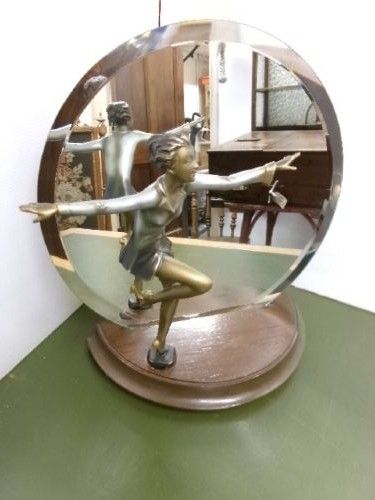
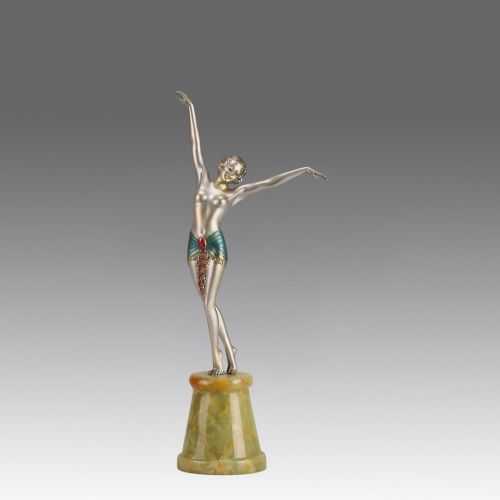
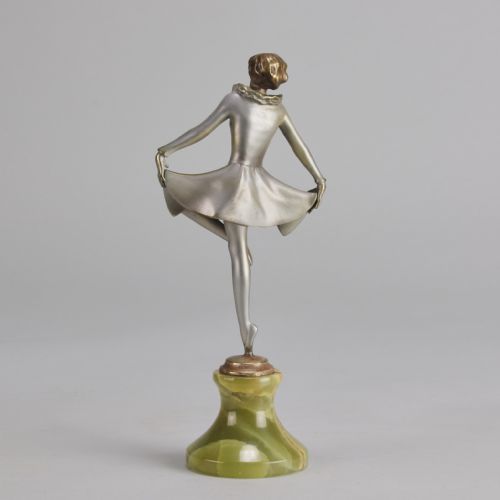
A 1920s silvered bronze statue typically presents as an Art Deco sculpture or figurine, often depicting a dancer or female figure in motion. These pieces frequently combine metalwork with heavy bases made of onyx or marble, providing a stable plinth for the slender forms.
The figures originating from this era draw heavily on theatrical and mythological themes, featuring subjects such as Bacchic dancers and scarf dancers. Buyers encounter works created during the 1920 and 1930 periods, reflecting the height of modernist sculptural expression in Europe.
Assessing Quality
Quality in these sculptures rests upon the crispness of the casting and the finesse of the surface finish, whether silvered or cold-painted. Finer works display sharply rendered facial expressions and textile details that remain clear across the contours of the figure.
The integration between the metal sculpture and its marble or onyx base indicates the standard of assembly. Superior examples demonstrate a precise fit and balanced weight distribution that anchors the dynamic pose securely.
Listings feature works from the 1920 and 1930 periods, uniting bronze, spelter, marble, and onyx in Art Deco sculptural forms.
Pierre le Faguays·Ferdinand Preiss·Josef Lorenzl·Claire Jeanne Roberte Colinet·Demetre Chiparus·Pierre Laurel
The 1920s Silvered Bronze Statue Glossary
- Silvered bronze
- A bronze casting treated with a silver coating to impart a bright, reflective metallic finish. This finish characterises several distinct Art Deco sculptures.
- Cold-painted bronze
- A bronze figure painted with oil or enamel paints after casting, rather than firing the pigment into the metal. This method produces vibrant surface colours on garments.
- Spelter
- A zinc alloy utilised as a cost-effective alternative to bronze for figurative castings during the early twentieth century. It appears frequently in period dancer figures.
- Art Deco
- The dominant design style of the 1920s and 1930s, characterised by streamlined forms, stylised figures, and dynamic geometric movement. Sculptures from this movement embrace modernism.
- Onyx
- A banded variety of chalcedony used frequently as a heavy, decorative base material for bronze and spelter figures. It provides a polished plinth for the sculptures.
1920s Silvered Bronze Statue: Frequently Asked Questions
What subjects do these statues depict?
The pieces predominantly portray female dancers, performers, and allegorical figures caught in motion, such as Bacchic dancers and scarf dancers. Their poses reflect the theatrical energy popular during the interwar period.
Artists frequently drew inspiration from contemporary ballet, cabaret, and exotic performance art when designing these sculptural works.
How do bronze and spelter differ?
Bronze is a durable alloy of copper and tin that accepts fine detail and patination well, making it the preferred medium for premier sculptors. Spelter is a softer zinc-based alternative that was often used for more accessible decorative figures.
Both materials were frequently finished with silvering or cold-painted colours to enhance their visual appeal.
Why are marble bases common?
Heavy marble and onyx bases provide necessary structural stability for slender, dynamic figures that might otherwise topple over due to their extended poses. They also serve as a clean architectural foil to the ornate metalwork above.
These stone plinths are integral to the overall composition and aesthetic of Art Deco sculptures.
How should I display these figures?
These statues require stable, flat surfaces away from direct sunlight and excessive moisture to protect the delicate cold-painted or silvered surfaces. Their modest scale allows them to sit comfortably on mantelpieces, sideboards, or dedicated display cabinets.
Positioning them where light can catch the metallic finish highlights the contours of the casting.
How can I identify the period?
Identifying pieces from this era involves examining the stylistic hallmarks of Art Deco, including streamlined forms, stylised drapery, and typical material combinations like metal on stone. The specific casting techniques and subject matter align closely with the design output of the 1920s and 1930s.
Many works also bear the signature or foundry mark of their creator.