


1920s Silver Cup
These 1920s silver cup pieces combine robust interwar metalwork with practical utility, offering collectors tangible links to early twentieth-century design.
1920s Silver Cup
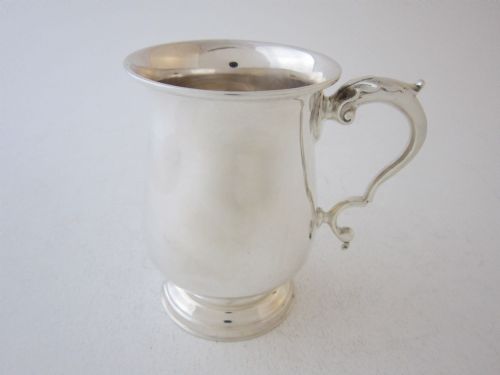
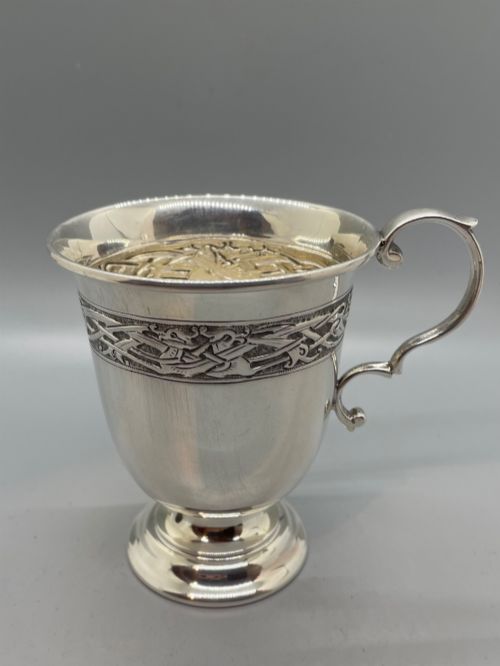
A 1920s silver cup spans a varied selection of domestic and presentation forms produced during the George V era and the interwar period. Buyers searching this phrase encounter drinking vessels, barware, christening mugs, and trophies created in the decade following the First World War.
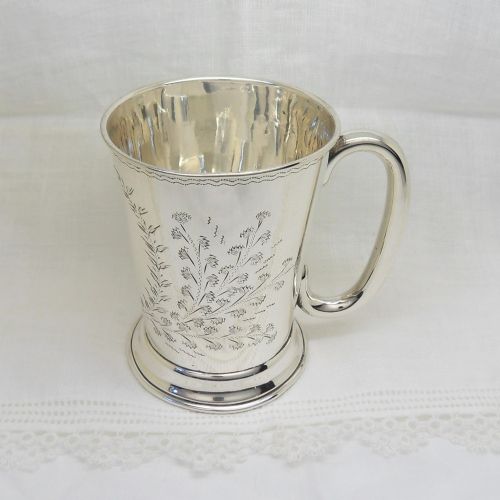
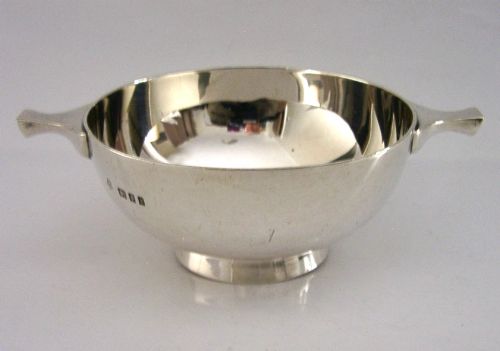
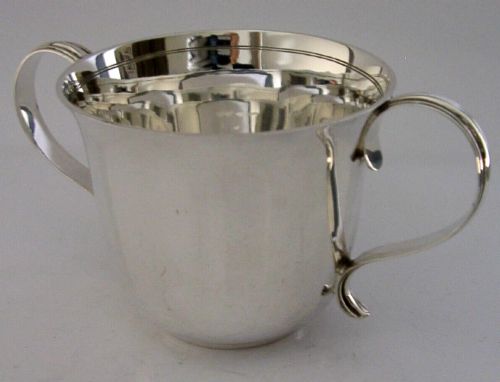
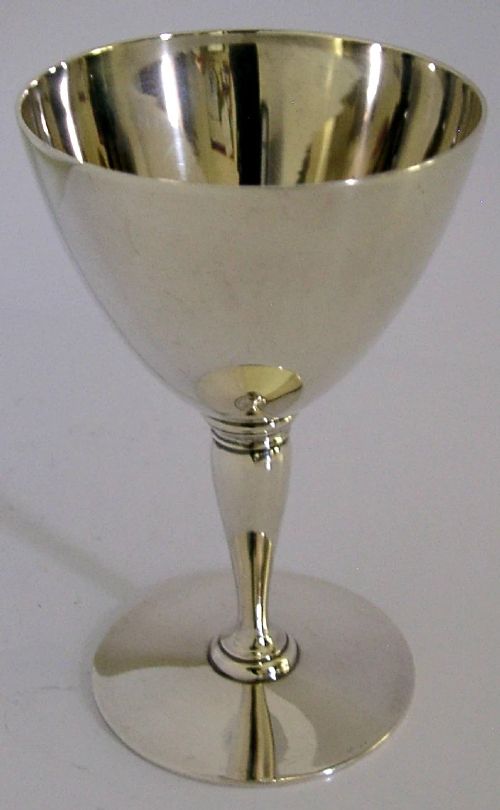
The most common versions met on this page include solid sterling silver christening mugs hallmarked in cities such as Birmingham and Sheffield, alongside cocktail goblets, quaichs, and two-handled porringer bowls.
Beyond traditional christening gifts, the selection extends to specialised barware including heavy sterling silver cocktail cups and combined silver and glass or crocodile skin hip flasks designed for portable use.
How they were made
Makers utilised solid sterling silver as the primary metal, shaping vessels through traditional silversmithing techniques to achieve substantial weights and durable structures suitable for daily use or presentation.
Some pieces incorporate supplementary materials like glass bodies or crocodile skin coverings, combining metal mounts with contrasting textures for functional items like hip flasks.
Listings demonstrate a focus on the 1920 and 1930 periods, incorporating sterling silver, glass, porcelain, and crocodile skin across varied tableware forms.
What varies in quality
The distinction between standard items and superior examples rests upon the heft of the metalwork, with heavier pieces demonstrating a more substantial use of sterling silver.
Ascribed provenance through clear hallmarks from notable makers or major silversmithing towns elevates the standing of an individual vessel within the broader range.
Joseph Gloster·Tiffany and Co·Elkington·James Deakin and Sons
The 1920s Silver Cup Glossary
- Hallmark
- Official stamps applied to precious metals indicating the standard of purity, the assay office, and the date letter. These marks provide precise chronological and geographic identification for British silver.
- Quaich
- A traditional two-handled drinking vessel originating in Scotland, adapted during the interwar period into solid sterling silver barware forms.
- Porringer
- A small, shallow bowl equipped with one or two flat handles, often produced in heavy sterling silver for domestic or presentation use.
- Demascene
- A style of decorative metalwork often associated with finer table services and liqueur sets from the period.
- Tankard
- A tall, single-handled drinking vessel, frequently encountered among the christening mugs produced in the early twentieth century.
1920s Silver Cup: Frequently Asked Questions
What are 1920s silver cups?
These items encompass a diverse range of vessels produced during the George V reign and the interwar years, spanning christening mugs, barware, goblets, and trophies.
They reflect the metalworking standards and stylistic shifts of the decade, featuring both solid sterling silver construction and mixed-media designs.
How were christening mugs used?
Christening mugs served as traditional ceremonial gifts given to infants to mark their baptism, often inscribed with initials or dates of birth.
Over time, many functioned primarily as decorative keepsakes or display pieces rather than everyday tableware.
How do I identify a 1920s piece?
Dating relies heavily on official hallmarks stamped into the metal, which record the assay office city and specific year letter for the 1920 or 1930 production.
Stylistic indicators such as early Art Deco geometric lines or traditional George V proportions also help place an object within the interwar period.
How do I care for silver barware?
Maintaining these pieces involves regular, gentle cleaning with appropriate silver polishes to remove tarnish without abrading the surface details or hallmarks.
Keeping items dry and stored away from humid environments preserves the finish of both the sterling silver and any integrated materials like glass or leather.