


1920s Pendant Light
A 1920s pendant light brings direct period character to a room through geometric forms and quality glass.
1920s Pendant Light
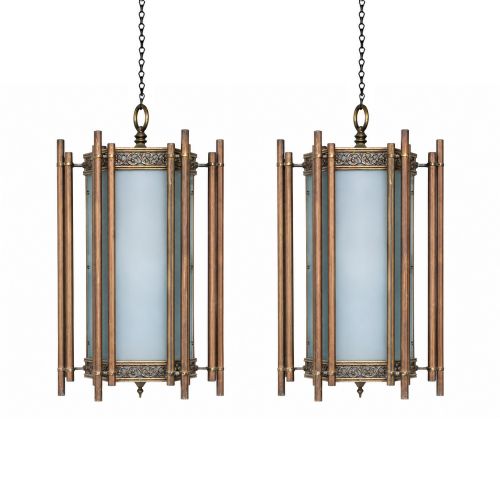
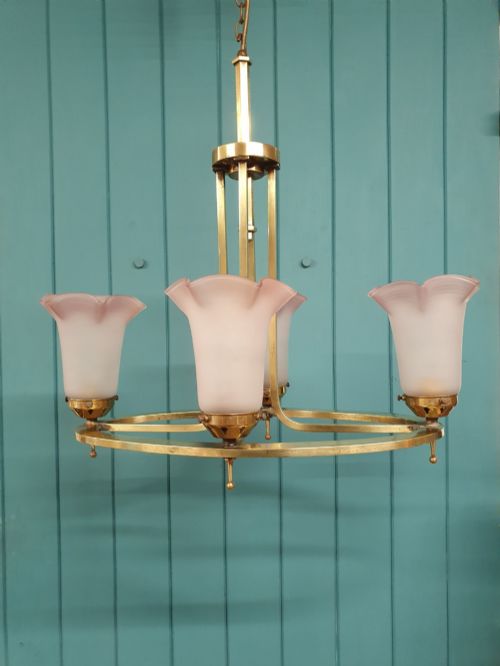
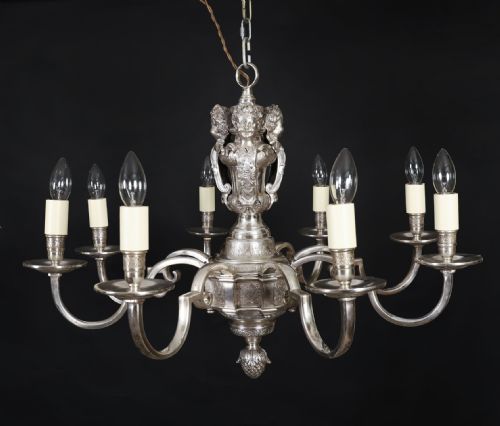
When you search for a 1920s pendant light, you encounter hanging ceiling fixtures dominated by Art Deco design, alongside Edwardian survivals and revival styles like Louis Revival and Dutch Baroque. These pieces range from simple single-bulb frosted glass shades to multi-armed brass and bronze chandeliers.
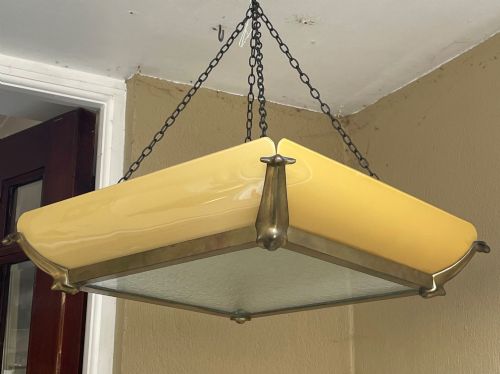
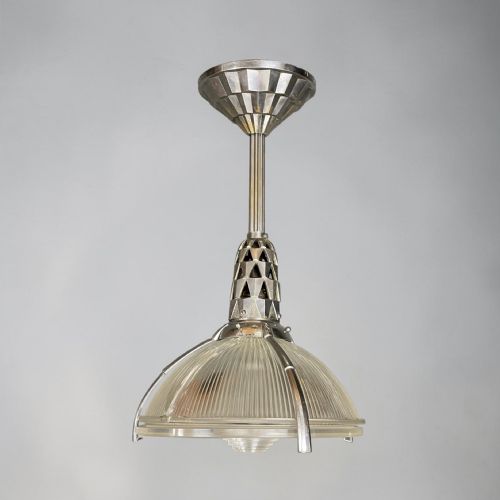
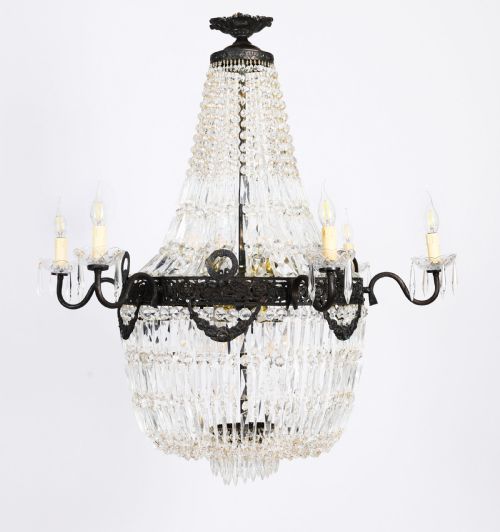
The selection on this page demonstrates that many hanging lights from this era incorporate geometric milk glass, moulded shades, or elaborate cut crystal drops. Buyers seek these specific forms to anchor period interiors with authentic overhead illumination.
Materials and Construction
Makers of the period utilised combinations of cast brass, gilt bronze, chrome, and copper to form the structural frames and hanging lanterns. Glass elements were typically mould-blown, frosted, or cut by hand to diffuse light evenly.
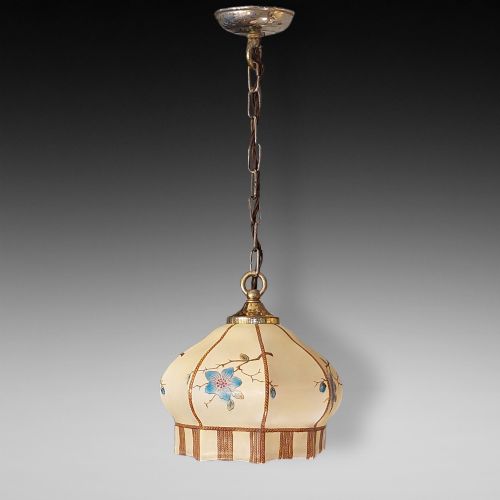
Surface treatments included silver plating, hand-painted decoration on glass shades, and blacksmith-made cast iron for heavier hall lanterns. Crystal components were shaped and polished before being wired into multi-branch chandeliers.
The listings here feature items spanning from the Edwardian era through the 1930s, incorporating brass, chrome, alabaster, and cut crystal.
Assessing Quality and Execution
The distinction between standard commercial lighting and exceptional pieces lies in the crispness of metal casting and the clarity of the glass. Heavier gauge brass, intricate acanthus leaf mounts, and genuine cut crystal separate finer fixtures from simpler production items.
Makers known for distinct artistic output, such as Schneider or Émile-Jacques Ruhlmann, demonstrate superior design coherence in their metalwork and glass proportions. The weight of the metal frame and the depth of the glass moulding dictate the overall calibre of the pendant light.
Émile-Jacques Ruhlmann·Schneider
The 1920s Pendant Light Glossary
- Art Deco
- A design style characterised by sleek geometric shapes, stylised floral motifs, and streamlined industrial forms. It dominated decorative arts throughout the 1920s and 1930s.
- Frosted Glass
- Glass treated by acid-etching or sandblasting to create a textured, opaque surface that diffuses light. This finish reduces harsh glare in interior lighting.
- Cut Crystal
- High-clarity glass faceted by grinding and polishing to refract light into multiple points. It is frequently suspended in drops or beads on grand chandeliers.
- Gilt Bronze
- Bronze metal coated with a thin layer of gold or gold-coloured alloy to impart a rich metallic lustre. It resists tarnishing better than standard unplated brass.
- Alabaster
- A fine-grained, translucent stone carved into bowls and shades for ceiling lights. When illuminated, it produces a warm, even glow across the room.
1920s Pendant Light: Frequently Asked Questions
How do I hang a heavy vintage pendant light?
Heavy chandeliers and lanterns require independent ceiling joist support rather than relying solely on electrical junction boxes. Ensure the hanging chain and wiring are assessed by a qualified electrician before installation.
Weight distribution matters greatly with large multi-arm bronze or crystal fixtures from this era. Professional installation protects both the historic hardware and the ceiling structure.
Are these lights compatible with modern bulbs?
Most vintage fixtures accept standard modern LED or incandescent screw-in bulbs, provided the physical dimensions fit within the shade or glassware. Check the interior clearance of enclosed glass bowls before purchasing.
Rewiring is frequently necessary for older fittings to meet current safety standards. An electrician can easily adapt historical sockets to take modern lamps.
How do I clean frosted and cut glass shades?
Remove delicate glass shades from the metal frame whenever possible to wash them in lukewarm water with mild soap. Avoid harsh chemical cleaners that can damage vintage glass surfaces or original painted details.
Dry the glass thoroughly with a lint-free cloth before reattaching it to the brass or chrome fixture. Regular dusting prevents grime buildup in the intricate textured grooves of Art Deco shades.
What is the difference between an Art Deco and an Edwardian pendant?
Art Deco pendants feature bold symmetry, stepped motifs, and streamlined industrial materials like chrome and frosted glass. They reflect the modern machine age aesthetics of the 1920s.
Edwardian lighting leans towards ornate revivalism, utilising delicate brass work and traditional crystal drops. These earlier pieces display softer curves and more elaborate historical ornamentation.