
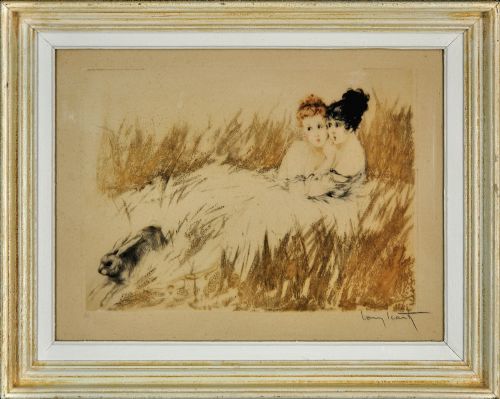


1920s Original Art
When you search for 1920s original art, you enter a diverse field of period paintings, works on paper, jewellery, and furnishings created during an era of profound aesthetic change.
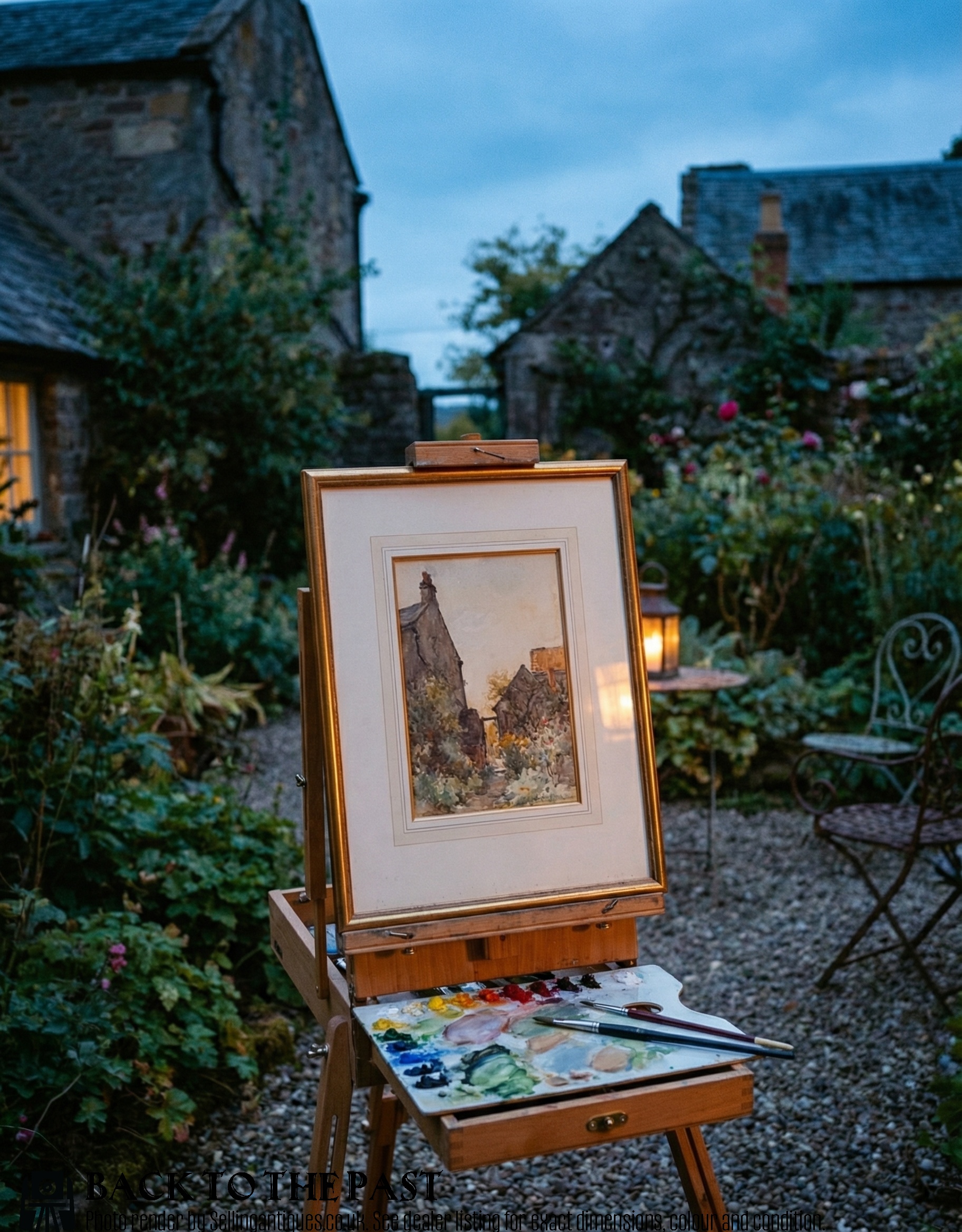
1920s Original Art
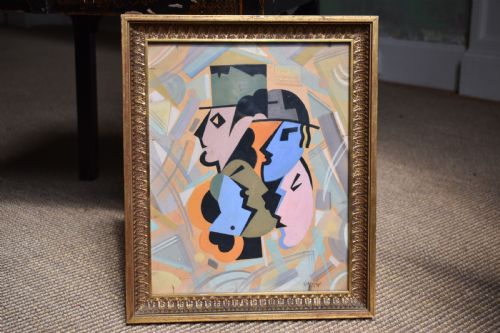
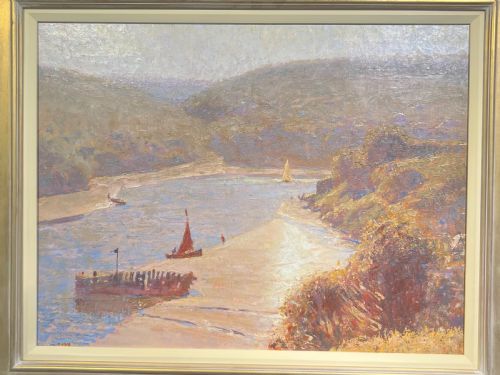
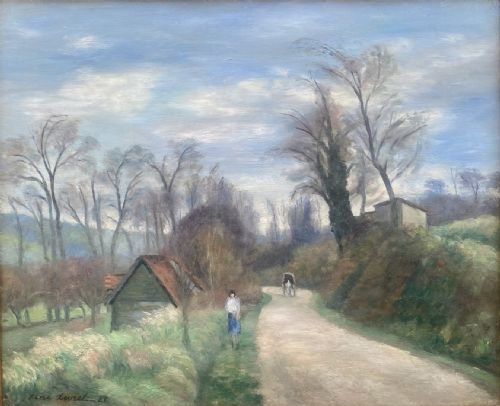
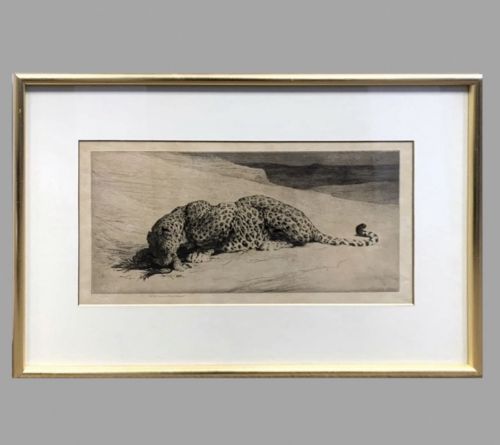
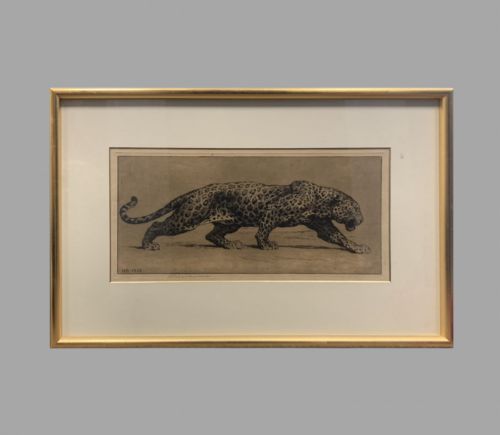
The selections span paintings in oil and watercolour, charcoal and pastel drawings, signed etchings, fine jewellery, and decorative objects such as cocktail bars and mirrors. Many items date explicitly to the interwar period, reflecting Art Deco, Cubist, Fauvist, and Post-Impressionist movements alongside more traditional British and European schools.
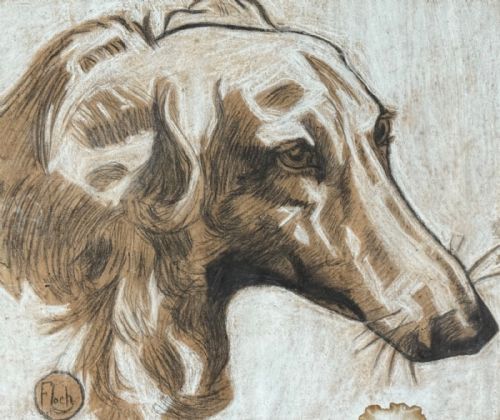
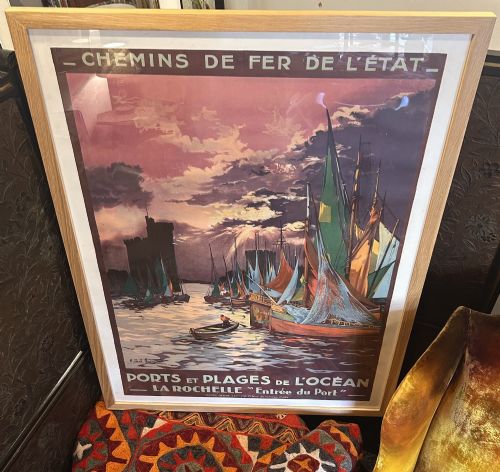
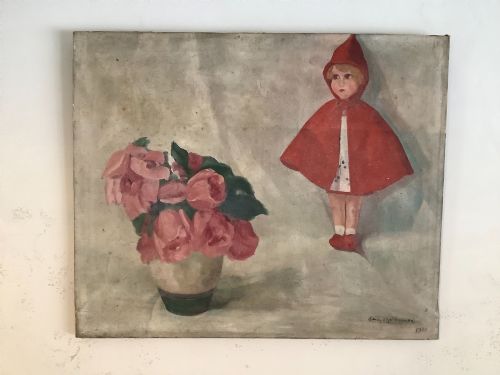
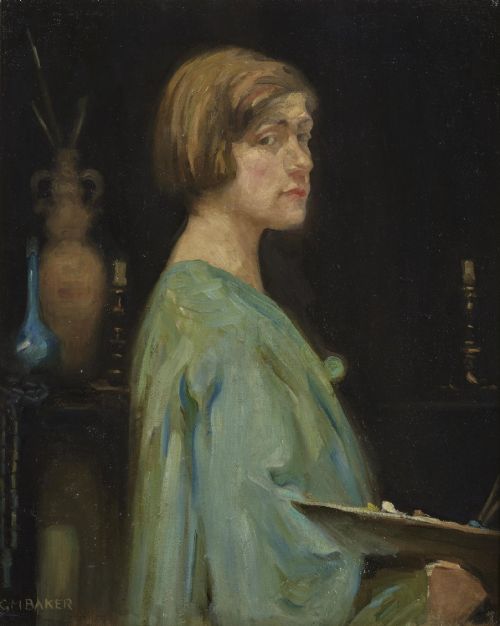
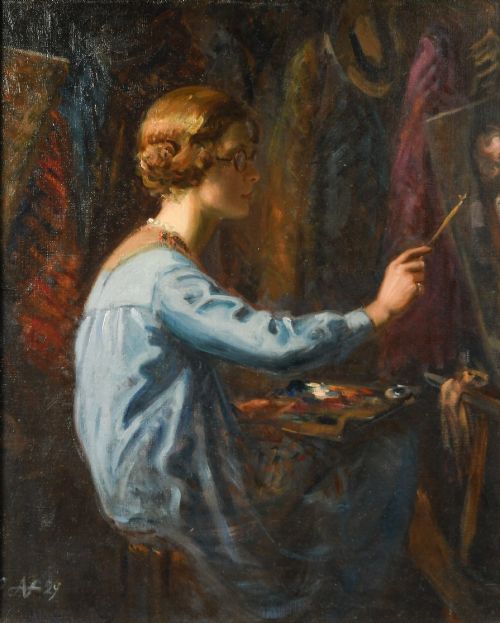
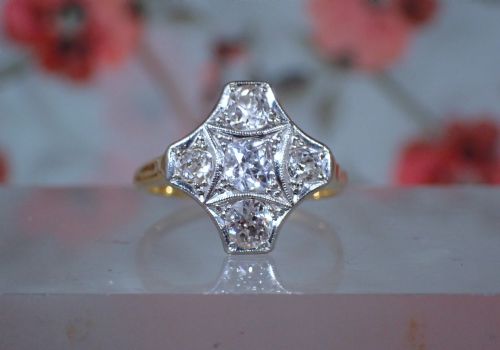
Buyers will encounter framed canvas works, gouache on paper, and detailed etchings alongside platinum and yellow gold diamond rings from the same decade. The selection bridges formal gallery pieces, such as French railway posters and landscapes, with intimate portraits and domestic decorative art.
Materials and methods
Painters utilised oil, watercolour, gouache, and ink upon canvas, paper, board, and panel, while printmakers produced signed artist proof etchings. Jewellers worked with 18ct yellow gold and platinum to set diamonds, opals, and pearls.
Makers of decorative items and furniture employed glass, wood, blonde maple, black lacquer, and silver plate. Framing typically involved original wood or glazed surrounds appropriate to the period.
Listings feature works across paper, canvas, glass, and wood, spanning styles from Cubism and Fauvism to traditional British watercolours.
Judging quality in interwar pieces
The distinction between tiers rests upon the execution of the hand, the preservation of original materials, and the presence of documented signatures or artist provenance. Works bearing secure attribution to known painters or printmakers command greater attention.
Physical preservation matters significantly, particularly the integrity of original glass, frames, plating, and stone settings. Pieces retaining their period mountings or original cases present a more complete historical record.
Edgar Hunt·Herbert Dicksee·Louis Icart·Raymond Moritz·Louis Suire·Owen Bowen·Edith E Caswall·Jean Hippolyte Marchand·H and L Epstein·LeCoultre
The 1920s Original Art Glossary
- Art Deco
- A design style characterised by sleek lines, geometric shapes, and stylised motifs that dominated decorative arts during the interwar decades. It appears across jewellery, mirrors, and furnishings.
- Etching
- A printmaking technique where lines are bitten into a metal plate with acid before ink is applied and pressed onto paper. Signed artist proofs represent limited impressions pulled directly under the creator's supervision.
- Gouache
- An opaque water-based paint that dries to a matte finish, frequently utilised on paper or buff paper for preparatory sketches and finished illustrations.
- Post-Impressionism
- An artistic movement extending beyond Impressionism to explore expressive colour, structure, and form. Works in this style often depict European landscapes and figures with liberated brushwork.
- Provenance
- The documented history of ownership or exhibition of an artwork. Established provenance verifies the origin and authenticity of period pieces.
1920s Original Art: Frequently Asked Questions
How do I identify 1920s art?
Look for stylistic markers such as geometric Art Deco forms, modernist brushwork, and specific interwar subject matter. Signatures, dates, and framing materials often provide reliable chronological clues.
Material analysis also helps confirm the era, as jewellers frequently combined platinum and yellow gold, while works on paper utilised period stocks and specific watermark evidence.
What subjects were popular then?
Artists explored urban street scenes, coastal landscapes, theatrical portraits, and domestic interiors. Avant-garde movements encouraged experimentation with abstraction, surrealism, and fauve colour palettes.
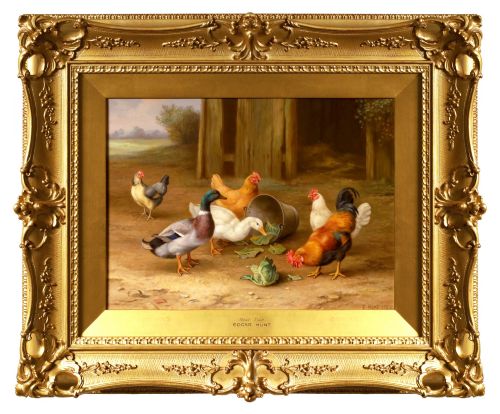
At the same time, traditional portraiture, botanical studies, and charming animal illustrations continued to find favour among collectors and patrons across Britain and continental Europe.
How should I care for works on paper?
Protect watercolours, etchings, and drawings from direct sunlight to prevent fading and paper degradation. Maintain stable indoor humidity levels to safeguard the delicate pigments and supports.
Ensure that framing uses acid-free mounts and conservation glass to shield the paper from environmental pollutants and physical moisture over time.
Are these items entirely original?
Many pieces retain their original frames, glass, backs, or presentation cases as recorded in the listings. Jewellery and decorative objects often preserve their initial structural components and mountings.
Inspecting individual descriptions clarifies whether an item includes period accessories, such as original hanging chains, boxes, or shades.