




1920s Metal Figure Sculpture
These 1920s metal figure sculpture pieces capture the kinetic energy of the interwar years in bronze, spelter, and marble.
1920s Metal Figure Sculpture
Buyers seeking a 1920s metal figure sculpture encounter dynamic depictions of dancers, athletes, and animals that define the Art Deco era. The listings here predominantly feature dancers, horse racing figures, and mythological subjects cast during the 1920s and 1930s. These works bridge the gap between traditional foundry craft and the modern stylistic impulses of early twentieth-century design.
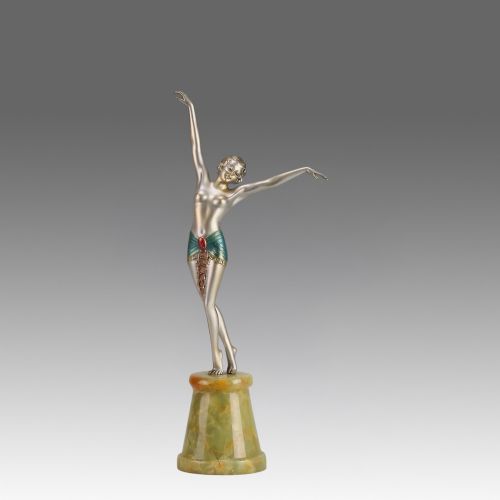
Most examples adopt distinct forms such as dancing ladies, musicians, and athletic studies mounted on stone bases. The visual vocabulary draws heavily from cabaret, sport, and classical revivalism filtered through a modernist lens. Collectors find these pieces functioning as tabletop statuettes rather than monumental works.
How they were made
Foundries utilised bronze and spelter as the primary metallic mediums, frequently enhancing surfaces with silver plating, gilt, or cold-painted pigments. Spelter serves as the more economical alloy alternative to bronze in several of the decorative figures. Casting techniques allowed for intricate detail in drapery, hair, and athletic musculature.
Sculptures are characteristically paired with heavy supportive bases of marble or onyx to provide stability to slender figures. Wood also appears occasionally as a foundational plinth material. Surface finishes range from dark patination to bright silvered treatments that catch the ambient light.
1920s Metal Figure Sculpture Retail Price Guide 2026
Typical asking prices for 1920s metal figure sculpture among the pieces listed under this phrase on Sellingantiques today, from the lower quarter to the upper quarter. They describe what is for sale here now, not the wider market.
Listings demonstrate a strong preference for marble and onyx bases supporting figures cast in bronze and spelter.
What varies in quality
The degree of hand-finishing in the cold-painting, chasing, and patination separates standard production pieces from masterworks. Finer castings exhibit crisp facial expressions and detailed musculature without surface pitting or obscured casting seams. The weight and selection of the supporting marble or onyx plinth also indicate the original tier of production.
Attribution to known modellers elevates the standing of a piece within the field of early twentieth-century sculpture. The integration between the metallic figure and its stone base demonstrates the original maker's structural and aesthetic ambition. Subtle variations in gilding and silvering preserve the tactile intentions of the studio.
Pierre le Faguays·Josef Lorenzl·P. Sega·Bruno Zach·Claire Colinet
The 1920s Metal Figure Sculpture Glossary
- Spelter
- A zinc-based alloy utilised as a cost-effective substitute for bronze in decorative figures. It often carries a painted or bronze-toned surface finish.
- Cold-painted
- A method where paint is applied to a metal object without subsequent firing or heat treatment. This fragile finish relies on careful preservation over decades.
- Patination
- The chemical or natural alteration of a metal surface over time, or applied by the artist to create colour and depth. It defines the shadow and highlights of the sculpture.
- Plinth
- The heavy base, typically carved from marble or onyx, that anchors and elevates the metal figure. It provides necessary counterweight for cantilevered poses.
- Chasing
- The manual refinement and detailing of a metal casting using hammers and punches after it leaves the foundry. This step sharpens contours and removes casting flaws.
1920s Metal Figure Sculpture: Frequently Asked Questions
What metals were used for 1920s figures?
Foundries cast these pieces primarily in bronze and spelter, occasionally applying silver plating or cold-painted finishes to the surface.
Base metals were chosen based on the intended market tier, with bronze reserved for higher-end studio output.
Why are most figures mounted on marble?
Marble and onyx plinths provide necessary weight and stability for slender, dynamic poses like dancers and athletes.
These dense stones also complement the metallic surfaces of the sculptures in the manner typical of the period.
How do I identify an Art Deco sculpture?
Art Deco pieces display stylised drapery, aerodynamic lines, and subjects drawn from contemporary dance, sport, and cabaret.
The materials and mounting styles align strictly with early twentieth-century design conventions.
Are these sculptures solid metal?
Many bronze sculptures are hollow-cast to save material and weight, while spelter pieces may also utilise internal cavity methods.
The heavy feel of the overall object typically comes from the attached stone base rather than solid metal casting.
What is cold-painted bronze?
Cold-painted bronze refers to metal figures decorated with unfired paint applied directly to the surface of the sculpture.
This technique allows for vibrant polychrome details on garments and skin, though it requires gentle handling.