


French Art Deco Metal Figure
A French art deco metal figure brings the sharp lines and dynamic motion of the interwar period straight onto a desk or mantelpiece.
French Art Deco Metal Figure
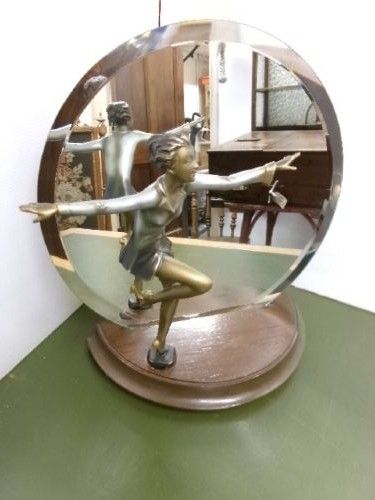
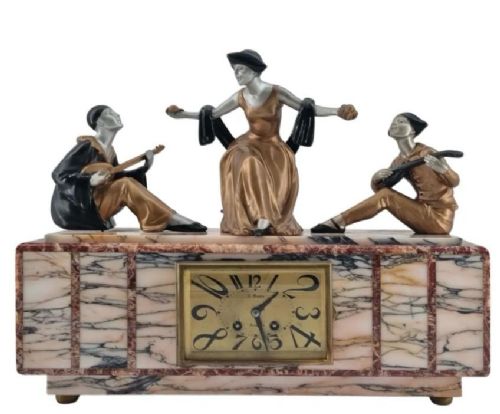
When you search for a french art deco metal figure, you encounter sculptures, bookends, table lamps, and mantel clocks dating predominantly from the 1920s and 1930s. These domestic objects translate modernist energy into human dancers, athletic figures, and stylised animals.
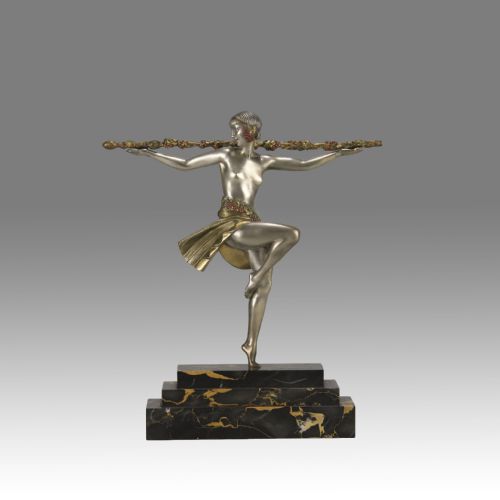
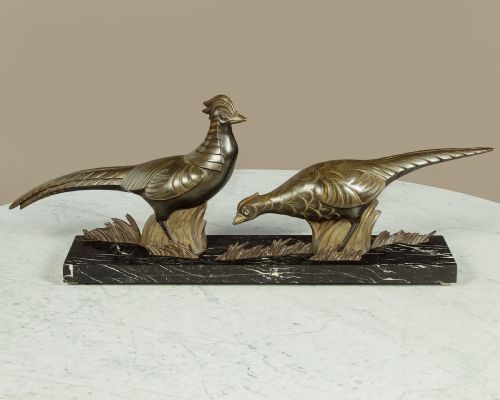
The version you are most likely to meet on this page is a spelter figure mounted on a marble or onyx base. These pieces often depict female dancers, mythological characters like Diana the huntress, or hunting animals such as panthers and pheasants.
Makers and sculptors utilised these metal forms to ornament functional household items like inkwells and night lights. The objects merge decorative grace with the industrial aesthetic characteristic of the era.
Materials and methods
Foundries cast many of these sculptures in spelter, a zinc alloy, which allowed for intricate detail at a lower cost than solid bronze. Artisans frequently finished these metal casts with cold paint, silvering, or gilding to enhance their visual impact.
Sculptors mounted their metal figures onto substantial stone bases cut from marble or onyx. Some works combined cast metals with glass components, particularly in lighting and night light forms.
Listings span the 1910s to the 1930s, uniting bronze, spelter, marble, onyx, glass, and cold paint within domestic sculpture and functional bookends.
Judgements of quality
Quality rests primarily on the crispness of the casting and the fidelity of the chasing work on the metal surface. Superior examples retain their original surface treatments, whether patinated metal, cold paint, or silvered bronze, without excessive wear.
Pierre le Faguays·P. Sega·Claire Colinet·Michel Decoux·Geo Maxim·Charlotte Monginot·C Masson·H. Bal
The French Art Deco Metal Figure Glossary
- Spelter
- A zinc alloy commonly used as a cost-effective alternative to bronze for decorative sculptures and figures. It accepts patination and cold painting readily.
- Cold painted
- A technique where paint is applied to a metal object without heat firing. This finish is delicate and sits on the surface of the metal.
- Onyx
- A banded variety of chalcedony quartz frequently utilised for the heavy bases of interwar figures and bookends. Its natural striations provide a decorative contrast to patinated metal.
- Patinated metal
- Metal treated with chemicals or heat to alter its surface colour and texture. This process creates an aged or specific decorative finish on sculptures.
- Chasing
- The hand-tooling of a metal casting after it leaves the mould to refine details and remove imperfections. Skilled chasing defines the sharpness of hair, fingers, and clothing folds.
French Art Deco Metal Figure: Frequently Asked Questions
What is spelter?
Spelter is a zinc-based alloy that foundries used extensively for decorative sculptures during the early twentieth century. It served as an accessible alternative to bronze.
Objects cast in spelter are lighter than bronze and typically feature applied patinas, cold paint, or metallic finishes to simulate more expensive materials.
How do I clean a metal figure?
Metal figures require gentle dust removal with a soft, dry cloth rather than liquid cleaners or polishes. Moisture can damage delicate cold-painted surfaces and patinas.
Marble or onyx bases can be wiped with a slightly damp cloth, taking care not to let water seep into any joints or metal attachments.
Are these pieces signed?
Many figures bear the signature or stamp of the artist directly on the metal casting or inscribed into the stone base. Signatures indicate the sculptor responsible for the original model.
Foundry marks may also appear alongside the artist's name, confirming the commercial producer of the cast.
Why are they mounted on stone?
Heavy marble and onyx bases provided stability for slender metal figures and bookends. The stone added necessary weight to functional items on desks and mantelpieces.
Interwar design favoured the textural contrast between cold polished stone and patinated or silvered metal.