



Patinated Bronze Group Statue
A patinated bronze group statue captures multiple figures or animals in a single cast, offering dynamic narratives from French, Japanese, and English makers.
Patinated Bronze Group Statue
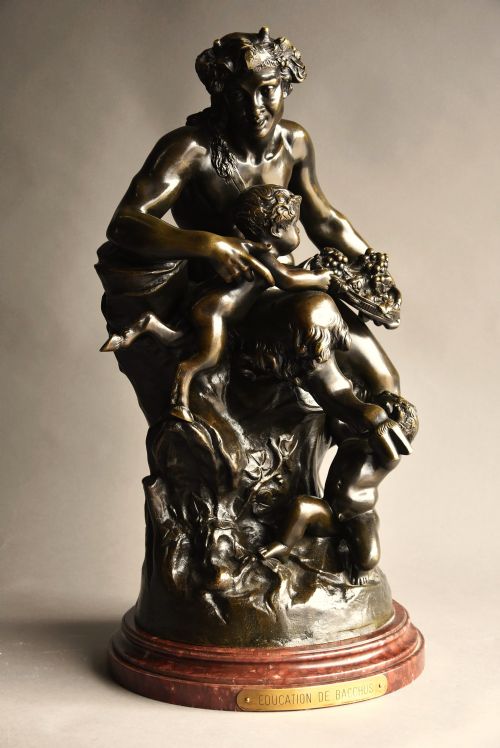
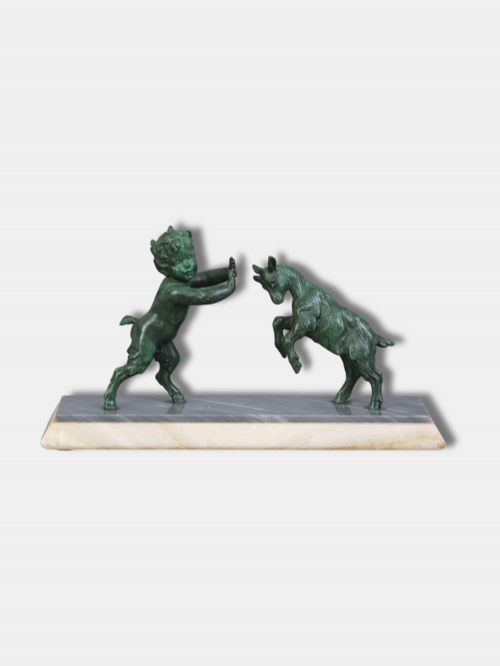
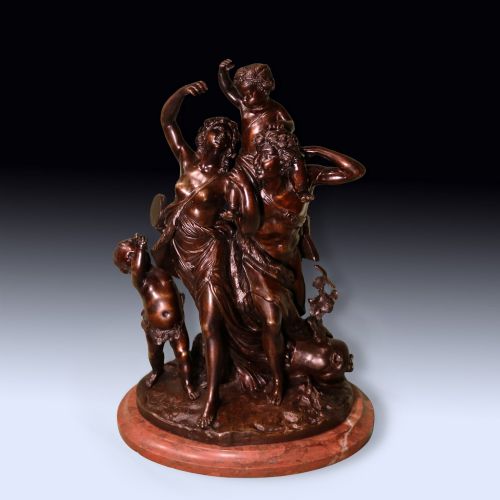
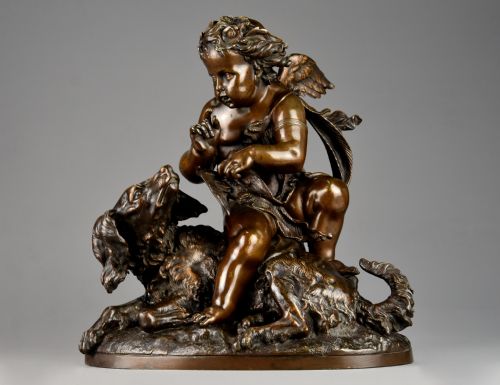
A patinated bronze group statue brings together multiple figures, animals, or mythological subjects in one composition. When searching for a patinated bronze group statue, collectors encounter pieces spanning the nineteenth century through the art deco period, alongside earlier classical revivals.
French workshops dominate the selection, producing animalier studies of wildlife, mythological groups influenced by classical sculptors, and romantic figures. Japanese Meiji period examples also appear, depicting bears, elephants, and human figures carrying fruit or engaging in daily life.
The compositions range from intimate tabletop bronzes to large scale sculptural groups. Many pieces rest upon integrated or separate bases made of marble, onyx, or hardwood, completing the presentation of the sculptural work.
Materials and casting methods
The primary material is cast bronze, complemented by occasional alternative base metals such as spelter in twentieth-century art deco works. Foundries applied chemical treatments to the metal surface to create dark patinas, enhancing depth, shadow, and textural detail across the figures.
Plinths and bases frequently incorporate contrasting natural materials like marble, onyx, and hardwood to support the weight of the metal groups. Sculptors utilised the lost wax method or sand casting to achieve the intricate musculature, drapery, and hair seen in these multi-figure arrangements.
Materials recorded across the inventory include bronze, spelter, marble, onyx, hardwood, and dark patina finishes.
Distinguishing quality in sculptural groups
Quality rests in the crispness of the chasing and the subtlety of the surface patina. Master founders preserved minute details in fur, feathers, and facial expressions after the casting process.
Compositional balance and anatomical accuracy separate exceptional works from standard production pieces. The integration of multiple figures requires sophisticated spatial arrangement, ensuring the narrative remains coherent from every viewing angle.
Claude Michel Clodion·Emile Carlier·E Drouot·Kaniya Kuniharu·Auguste Moreau·Auguste Nicholas Cain·G Gardet·Vannetti·H Bal·Chiparus·P J Mene·Xavier Raphanel·Alfred Dubucand·Charles Cumberworth·John Willis Good·Emile Laporte
The Patinated Bronze Group Statue Glossary
- Patina
- The surface coloration and chemical film developed naturally over time or applied by the founder to accent the bronze. It protects the metal and defines the highlights and shadows of the sculpture.
- Animalier
- A nineteenth-century artistic movement dedicated to the realistic depiction of animals, particularly in action. Sculptors in this tradition focused on the study of wildlife and domestic beasts.
- Okimono
- A Japanese ornamental statue designed for display on a shelf or cabinet. These carvings and metalcasts gained prominence during the Meiji period.
- Grand Tour
- Cultural travel undertaken by wealthy Europeans to study classical antiquities. Bronzes purchased during these journeys often replicated famous mythological or sculptural groups.
- Spelter
- A zinc alloy frequently utilised as a cost-effective alternative to bronze during the art deco period. It accepts patination well but possesses a lighter weight and softer structure.
Patinated Bronze Group Statue: Frequently Asked Questions
What is an animalier group statue?
An animalier group statue portrays animals interacting, fighting, or resting together in naturalistic detail. These works gained immense popularity in nineteenth-century France through dedicated sculptors.
Such pieces capture the raw energy of wildlife, ranging from hunting hounds to tigers and bears, rendered through accurate anatomical observation.
How do I care for a patinated bronze?
Maintain the surface by dusting gently with a soft, dry cloth to prevent particulate accumulation. Avoid chemical polishes, which strip the original patination.
Keep the sculpture away from direct sunlight and damp environments to preserve both the metal and any accompanying marble or wooden base.
What is the difference between bronze and spelter?
Bronze is a durable copper and tin alloy capable of holding exceptionally sharp casting details and deep patinas. Spelter is a softer, zinc-based metal used extensively for art deco figures.
Bronze feels noticeably heavier and colder to the touch than spelter, and it resists surface wear much more effectively over time.
Why do some figures reference Clodion?
Claude Michel Clodion was an eighteenth-century sculptor famous for terracotta and bronze groups of Bacchus, satyrs, and putti. Later nineteenth-century founders frequently cast pieces after his designs.
These later revival works capture the playful mythological themes and dynamic movement established by the original master.