
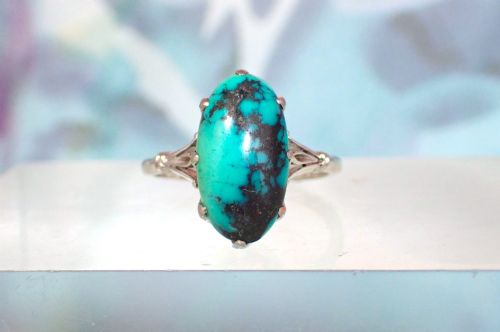


1920s Gold Gemstone Ring
A 1920s gold gemstone ring brings the geometric design of the period together with colourful stones to wear every day.
1920s Gold Gemstone Ring
A 1920s gold gemstone ring sits firmly in the Art Deco style, defined by geometric shapes and strong symmetry. The selection spans clusters, solitaires, and panel designs featuring stones like sapphire, ruby, emerald, and diamond.
Most examples originate from the 1920s and 1930s, though pieces span from the Edwardian era into the 1940s. Yellow and white gold appear alongside platinum mountings, giving each piece a distinct weight and hue.
Gradations of quality
Quality rests on the depth of the stone cutting and the integrity of the metalwork. Hand-finished millegrain and precise stone matching distinguish finer examples from standard production.
The choice of materials also divides the range, with platinum and high-carat white gold settings paired with untreated or natural coloured gems representing the upper tier of execution.
The material selection includes traditional diamonds alongside jade, turquoise, zircon, and large aquamarines.
The 1920s Gold Gemstone Ring Glossary
- Art Deco
- A design style from the 1920s and 1930s characterised by geometric lines, symmetry, and stylised motifs. It moves away from the flowing curves of earlier periods.
- Millegrain
- A decorative technique featuring tiny raised metal beads along the edges of a setting. This adds a refined texture to the mount.
- Cluster ring
- A design featuring a central gemstone surrounded by smaller accent stones, typically diamonds. This arrangement maximises visual impact and sparkle.
- Marquis cut
- A boat-shaped gemstone cut with pointed ends and curved sides. It creates an elongated appearance on the finger.
1920s Gold Gemstone Ring: Frequently Asked Questions
What defines a 1920s gold gemstone ring?
These rings combine geometric Art Deco design with various precious stones set in yellow gold, white gold, or platinum. They reflect the aesthetic shifts of the interwar period.
Craftsmanship often includes detailed gallery work and cluster arrangements that highlight the central gemstones.
How do I care for my ring?
Regular cleaning with warm soapy water and a soft brush maintains the sparkle of the stones and gold. Avoid harsh chemical dips, especially with softer organic gems.
Store the piece separately to prevent scratching against other jewellery in your collection.
Can I wear these rings daily?
Many examples are robust enough for daily wear, particularly those set in 18ct gold or platinum with secure prong or bezel settings. Lighter 9ct gold or intricate settings require more mindful care during manual tasks.
Checking the claws periodically ensures the stones remain firmly anchored in the antique mount.
How are different periods distinguished?
Edwardian pieces often feature delicate lace-like platinum work, while 1920s and 1930s rings embrace bolder geometric forms and strong colour contrasts. Later 1940s examples tend to utilise heavier gold settings due to wartime material restrictions.
Examining the metal purity marks and overall silhouette helps determine the precise era of manufacture.