

Emerald Diamond Dress Ring
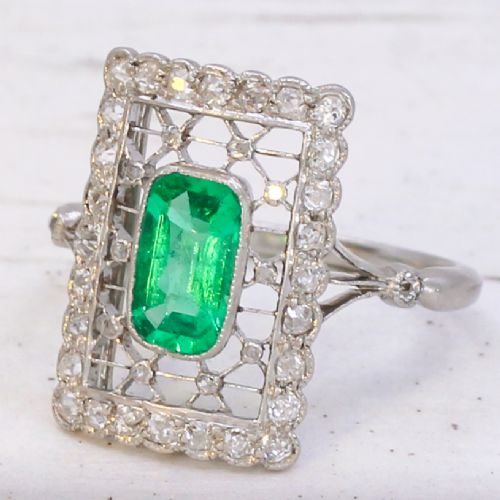
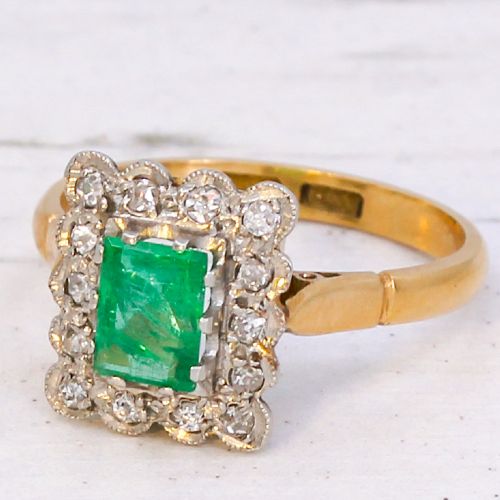
An emerald diamond dress ring brings together vibrant green beryl and bright stones in formats ranging from Edwardian clusters to mid-century cocktail pieces.
Emerald Diamond Dress Ring
An emerald diamond dress ring combines the rich green hue of emeralds with the brilliant sparkle of diamonds, set in precious metals to create an eye-catching statement piece for the hand.
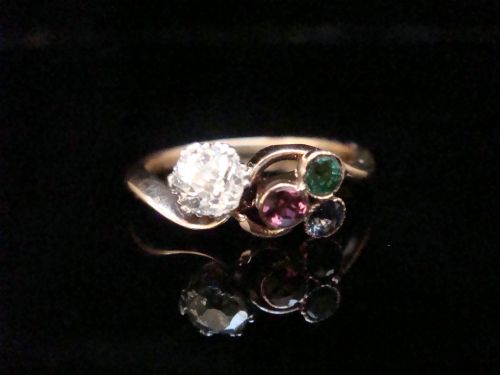
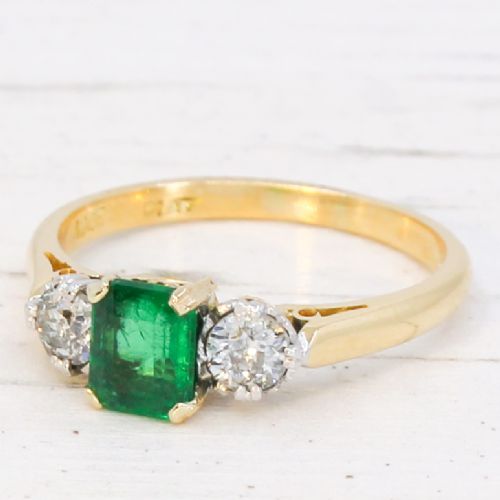
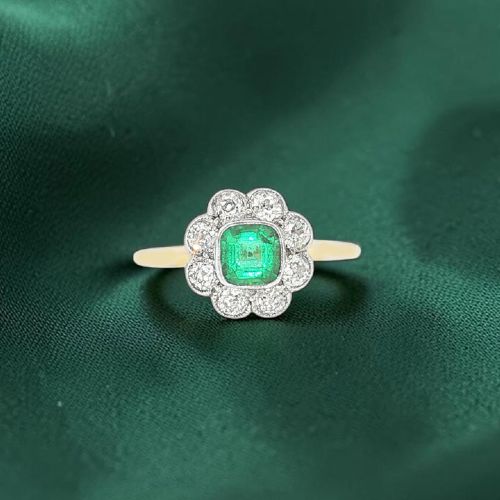
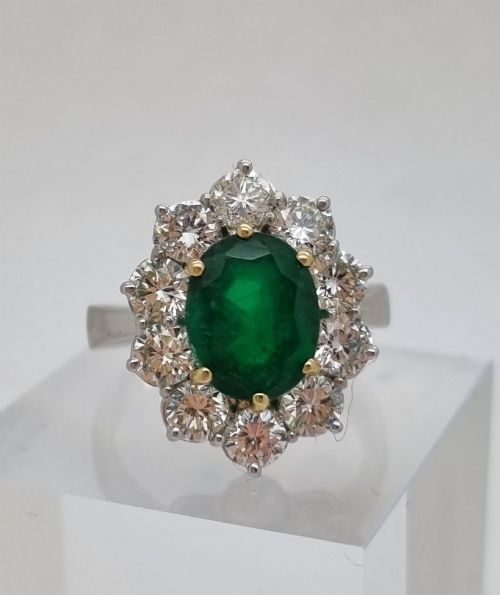
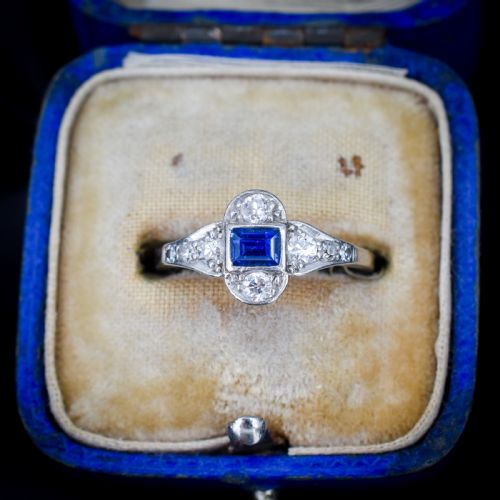
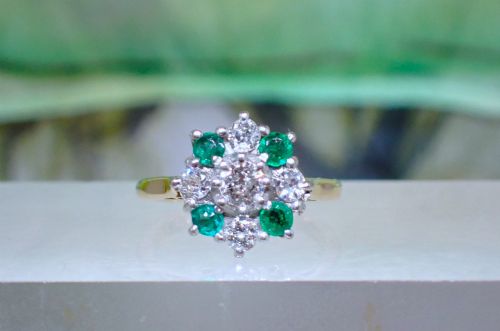
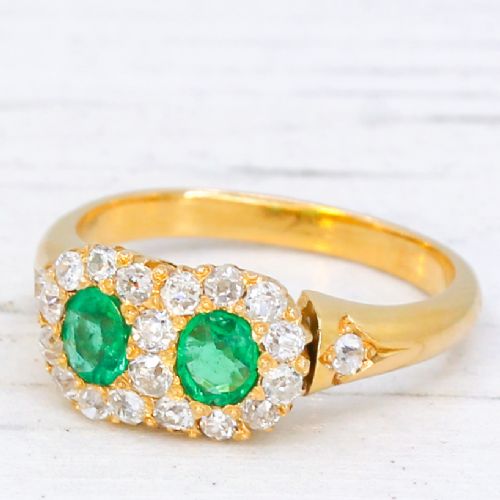
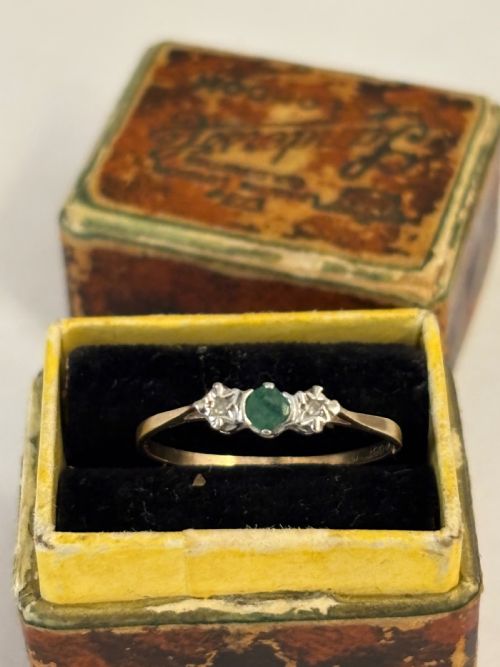
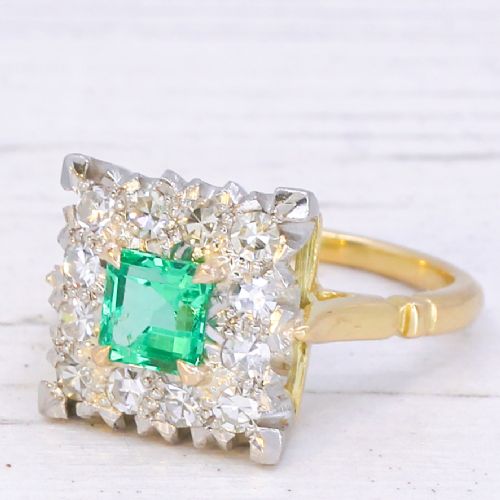
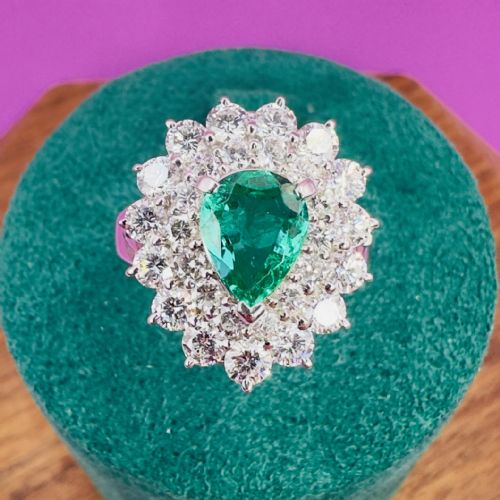
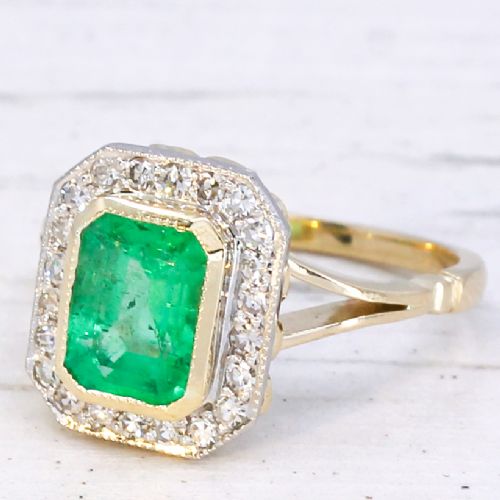
Most examples encountered on this page take the form of cluster rings, where a central emerald is surrounded by a border of diamonds, or three-stone configurations balancing coloured gems with clear stones.
Originating across diverse periods from the Edwardian era through the Art Deco movement and into mid-century modern design, these rings reflect the shifting aesthetic preferences of twentieth-century jewellers.
Materials and construction methods
Craftsmen utilised platinum and various carats of yellow and white gold to mount these gemstones, selecting platinum particularly during the Art Deco period for its strength and fine wirework capabilities.
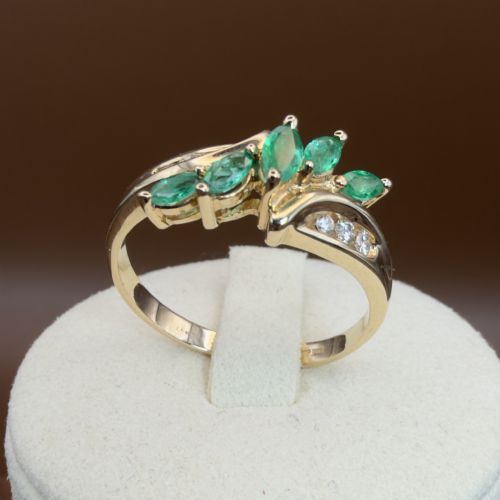
Stones are shaped into diverse cuts including oval, pear, marquis, and old-cut variations, secured in settings designed to maximise light entry through the diamond facets whilst protecting the softer emerald crystal.
Emerald Diamond Dress Ring Retail Price Guide 2026
Typical asking prices for emerald diamond dress ring among the pieces listed under this phrase on Sellingantiques today, from the lower quarter to the upper quarter. They describe what is for sale here now, not the wider market.
Some emeralds have travelled through history longer than your favourite armchair, quietly watching generations gesture with their hands.
Distinguishing quality factors
Quality in an emerald diamond dress ring rests largely upon the origin and clarity treatment of the emerald itself, with natural stones showing minimal oil enhancement commanding particular attention.
The overall balance of the piece, the matching and cut quality of the surrounding diamonds, and the integrity of the precious metal setting further separate standard production from exceptional fine jewellery.
The Emerald Diamond Dress Ring Glossary
- Cluster ring
- A ring design featuring a prominent central gemstone encircled by a cluster of smaller surrounding stones, typically diamonds.
- Colombian emerald
- An emerald sourced from Colombia, historically regarded as the benchmark for vibrant green colour and crystalline purity.
- Old-cut diamond
- A hand-faceted diamond cut popular before modern machinery, characterised by a smaller table, higher crown, and open culet.
- Platinum
- A dense, durable, and naturally white precious metal frequently utilised in antique and vintage settings for secure gemstone mounting.
- Trilogy ring
- A three-stone ring traditionally symbolising the past, present, and future, often pairing an emerald flanked by two diamonds.
Emerald Diamond Dress Ring: Frequently Asked Questions
How do I care for my emerald ring?
Emeralds are softer than diamonds and require gentle cleaning with warm soapy water, avoiding ultrasonic cleaners or harsh chemicals that can strip natural oils.
Storing the ring separately in a lined box prevents the harder diamonds from scratching the emerald facets during periods of non-use.
What is a cocktail ring?
A cocktail ring is a large, bold piece designed to draw attention during evening wear, typically featuring substantial central stones surrounded by elaborate diamond work.
Popularised during the mid-twentieth century, these rings favor dramatic visual impact over subtle everyday styling.
How can I tell the period of a ring?
Dating relies on examining the mounting style, metal colour choices, and the specific cuts of the diamonds and emeralds used by the maker.
Edwardian pieces often display delicate platinum filigree, while Art Deco designs lean towards geometric symmetry and mid-century examples embrace bolder gold clusters.
Are emerald treatments important?
Most emeralds undergo traditional oil or resin treatments to fill natural surface-reaching fissures and improve overall clarity and visual appeal.
Certification from gemological laboratories often details the minor or negligible presence of such treatments, which directly influences collector interest.