


1920s Glass Hood Mascot
A 1920s glass hood mascot is a striking motoring ornament, designed to cap a radiator cap and bring sculptural artistry to the open road.
1920s Glass Hood Mascot
A 1920s glass hood mascot takes the form of animal and figure car mascots, serving both as decorative objects and functional ornaments for motor cars during the Art Deco period. These pieces originate from the 1920 and 1930 periods, manifesting primarily as car mascots and occasionally functioning as paperweights.
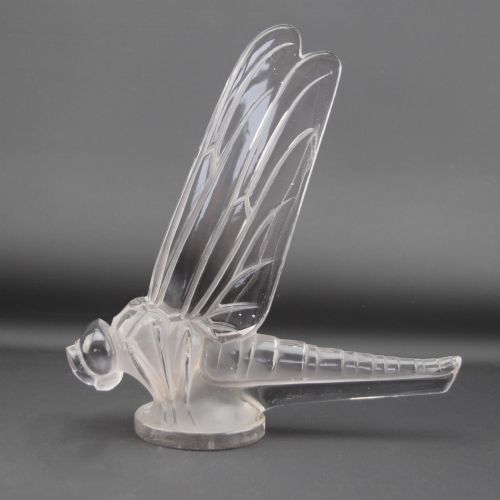
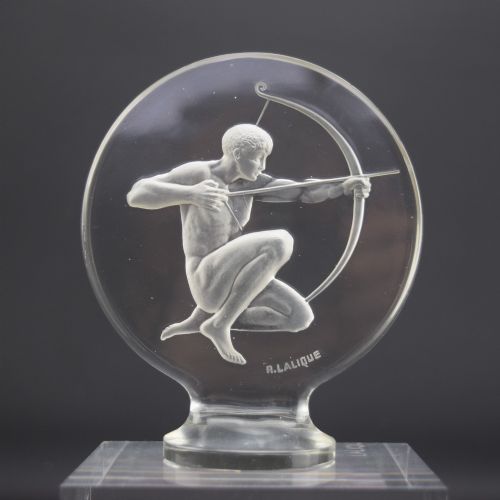
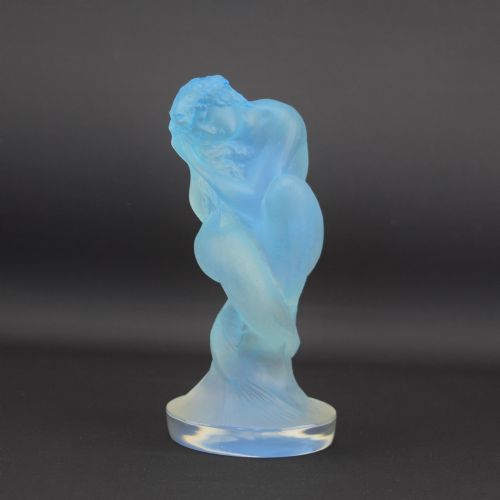
The versions most commonly met on this page belong to the Art Deco style, capturing movement and natural forms in solid glass. Sculpted subjects include birds, fish, insects and mythological figures atop metal or wood mounts.
How they were made
Makers utilised moulded glass, pressed glass, clear glass, frosted glass and opalescent glass to create these ornaments. The manipulation of light through different surface textures gives each mascot its distinct luminosity.
Finished glass components were frequently mounted to metal or wood bases for attachment to a vehicle radiator, combining fragile sculptural elements with heavy engineering.
Wild boars, dragonflies and perch share the open road here, frozen forever in brilliant glass.
What varies in quality
The distinction between tiers rests upon the crispness of the glass moulding and the subtlety of the frosted or opalescent finish. Masterful execution ensures the naturalistic details of feathers, scales or hair remain sharp and well-defined.
The interaction of light within the clear, topaz or opalescent glass dictates visual depth. Superior examples display an even distribution of colour and opacity that brings the carved subject to life.
Rene Lalique
The 1920s Glass Hood Mascot Glossary
- Opalescent glass
- Glass that exhibits a milky, bluish lustre when viewed by transmitted light and a warm yellowish tone by reflected light. This effect adds shifting tones to animal and figural subjects.
- Frosted glass
- Glass rendered translucent rather than transparent by sandblasting or acid-etching the surface. This technique highlights sculptural contours by diffusing light.
- Moulded glass
- Glass shaped by being pressed into or blown within a metal or wooden mould. It allows for the consistent production of complex decorative forms.
- Car mascot
- An ornamental sculpture mounted on the radiator cap of an automobile. During the interwar years, these items combined personal expression with motoring culture.
1920s Glass Hood Mascot: Frequently Asked Questions
What is a 1920s glass hood mascot?
A 1920s glass hood mascot is a sculptural ornament mounted on the radiator cap of an automobile during the Art Deco period. These items were designed to personalise motor cars with artistic glass figures.
They reflect the aesthetics of the 1920 and 1930 periods, incorporating materials such as moulded, frosted and opalescent glass.
How were these glass mascots used?
These pieces were attached to the radiator caps of cars to serve as distinctive ornaments while driving. Their prominent placement at the front of the vehicle made them a focal point of automotive design.
Over time, many of these glass objects transitioned from vehicles into collections, and some double as decorative desktop paperweights.
How do I live with a glass mascot?
Displaying a glass mascot requires stable placement away from accidental knocks, preferably where natural light can pass through the clear or opalescent material. Proper mounting on a secure base protects the fragile glass.
Regular, gentle dusting keeps the surface clean without risking abrasion to the frosted or polished details.
How do I identify Art Deco style?
Art Deco style is characterised by streamlined forms, stylised depictions of animals and humans, and a embrace of modern industrial materials. In these mascots, subjects like birds and insects are rendered with geometric symmetry and dynamic energy.
The use of opalescent, frosted and moulded glass further defines the aesthetic of the period.