

1920s Dressing Table
A 1920s dressing table brings period character to a bedroom through distinctive woods and mirrors.
1920s Dressing Table
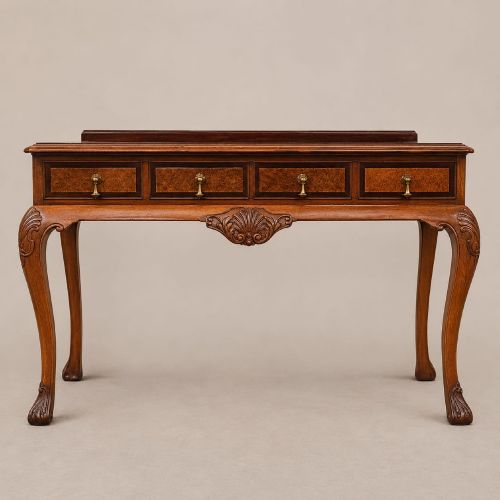
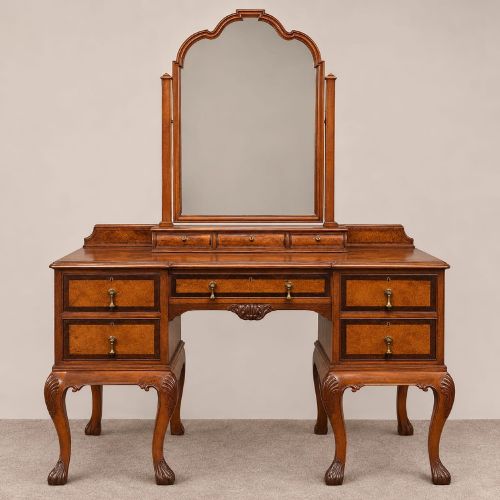
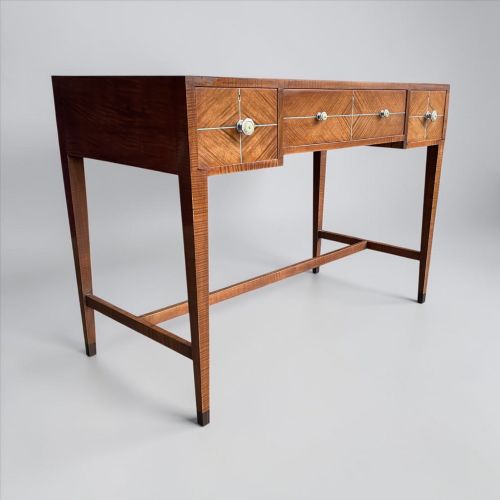
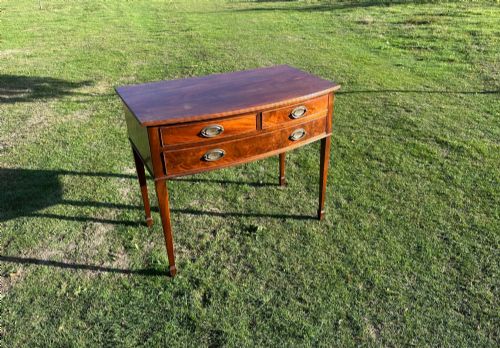
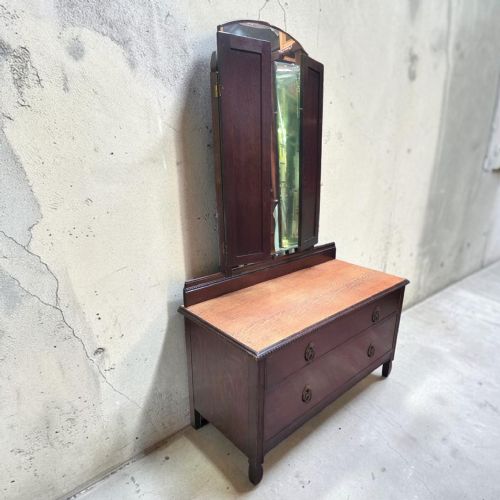
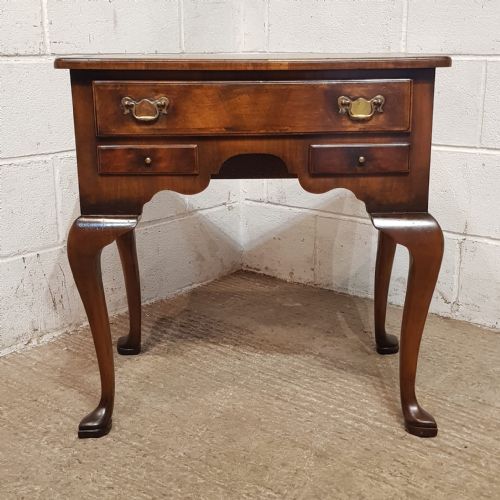
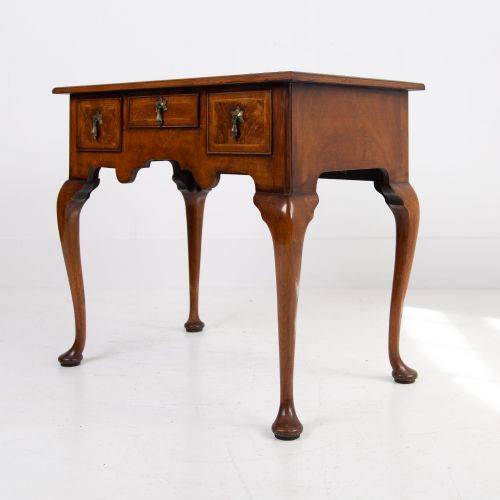
A 1920s dressing table serves as a functional and decorative bedroom centrepiece, often taking the form of a lowboy, console table, or vanity chest equipped with mirrors. These pieces reflect the diverse aesthetic movements of the era, ranging from clean geometric lines to revivals of earlier historical styles.
Buyers will encounter various incarnations in walnut, burr walnut, and oak, frequently paired with matching stools or triple mirror attachments. Pieces span Art Deco designs and traditional Queen Anne or Jacobean revival interpretations.
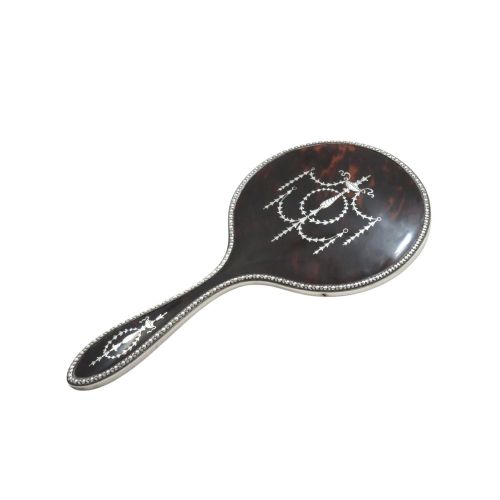
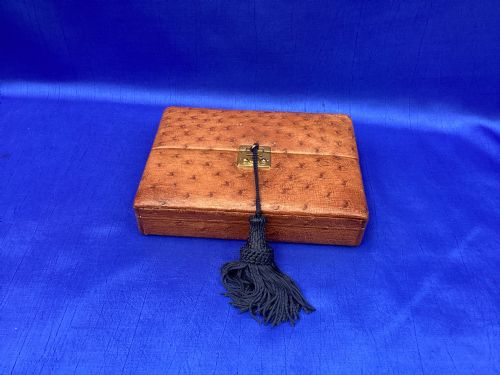
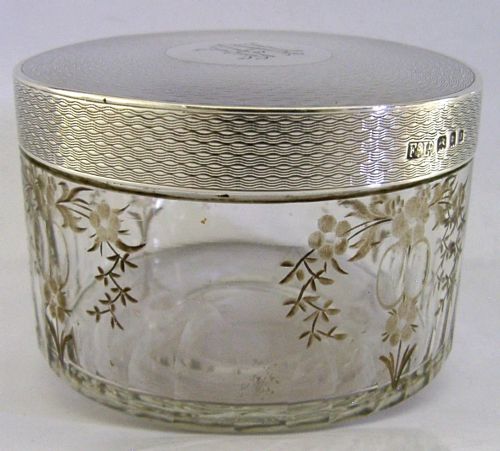
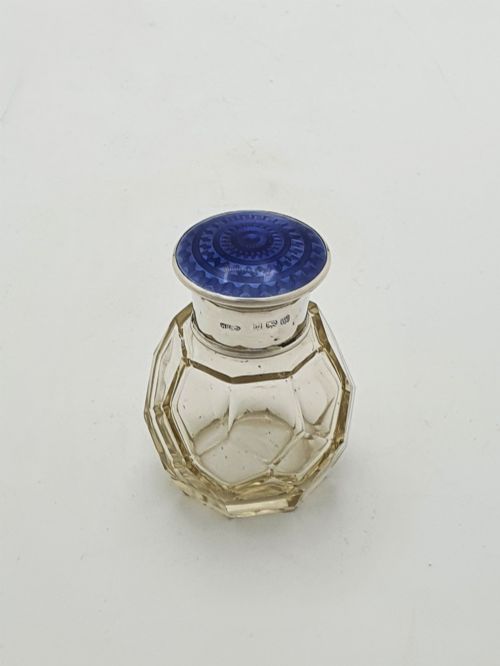
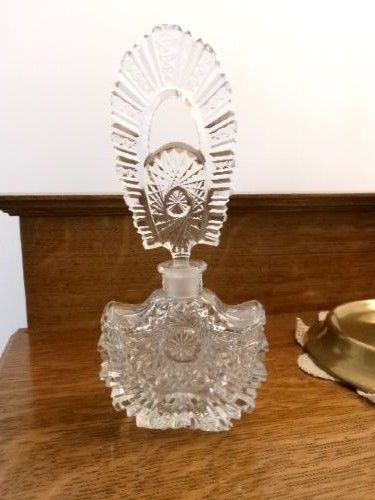
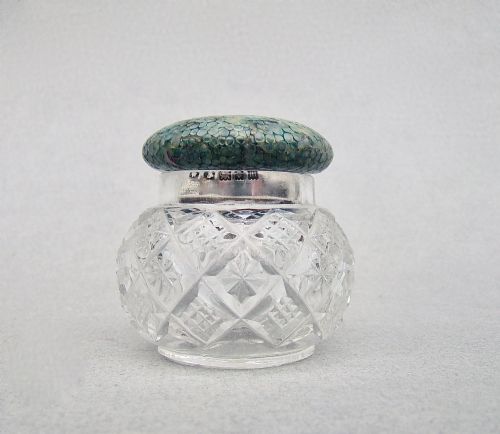
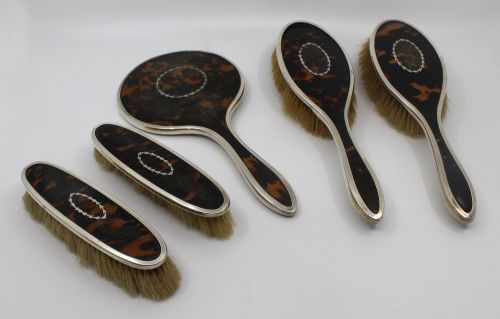
Smaller related vanity items such as trinket boxes, perfume bottles, and silver-lidded jars often accompany the main furniture pieces in this category. These smaller items share the distinctive silver, glass, and enamel materials common to the dressing table top.
How they were made
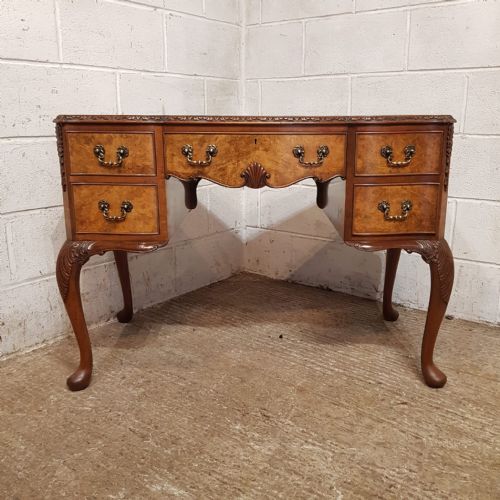
Cabinet makers utilised solid woods like oak alongside decorative veneers such as burr walnut to create patterned surfaces on drawer fronts and tabletops. Structural elements frequently incorporated traditional joinery adapted to the specific revival style or modern geometric form of the decade.
Metalwork played a significant role, with sterling silver and brass applied to handles, mounts, and associated desktop items like pill boxes and brushes. Glass elements ranged from clear cut glass to coloured Kralik glass and moulded René Lalique perfume bottles.
Surface decoration often included guilloche enamel in bright tones, hand-painted finishes, and ebonised details. Needlepoint upholstery appeared on matching stools, completing the coordinated bedroom suites produced during the period.
1920s Dressing Table Retail Price Guide 2026
Typical asking prices for 1920s dressing table among the pieces listed under this phrase on Sellingantiques today, from the lower quarter to the upper quarter. They describe what is for sale here now, not the wider market.
Art Deco and Queen Anne Revival are the predominant design styles seen across the dressing tables and console tables.
What varies in quality
The distinction between standard and superior pieces rests on the choice of timber and the complexity of the cabinet work. Highly figured burr walnut veneers applied to serpentine or bow-fronted carcases indicate finer craftsmanship than plain oak or simpler rectilinear forms.
Detailing on associated vanity items demonstrates the level of artistry involved, particularly in the precision of sterling silver hallmarks and the delicacy of guilloche enamel work. Matching suites that retain their original mirrors, stools, and associated glass containers represent a higher degree of completeness.
A. J. Pepper & Co·Henry Clifford Davis·Crisford & Norris·Henry Perkins·Barnsley & Co·Adie Brothers Ltd
The 1920s Dressing Table Glossary
- Burr walnut
- A wood figure derived from the wart or burl of a walnut tree, producing intricate, swirling grain patterns. Cabinet makers prized this material for veneer work on high-end tables.
- Guilloche enamel
- A decorative technique where a precise, repetitive pattern is engraved beneath a translucent enamel layer. This method was widely used on silver-mounted jars and brushes.
- Lowboy
- A small table with drawers, typically standing on four legs, which served as a dressing table or side table during the period. It often reflects Queen Anne or Georgian revival styles.
- Kralik glass
- Bohemian art glass known for iridescent finishes and organic forms, frequently mounted with silver for vanity containers. It represents the artistic glass production of the early twentieth century.
- Serpentine front
- A furniture front shape that curves outward at the ends and recesses in the centre. This undulating profile requires advanced woodworking skill to execute properly in solid wood or veneer.
1920s Dressing Table: Frequently Asked Questions
How do I identify a 1920s dressing table?
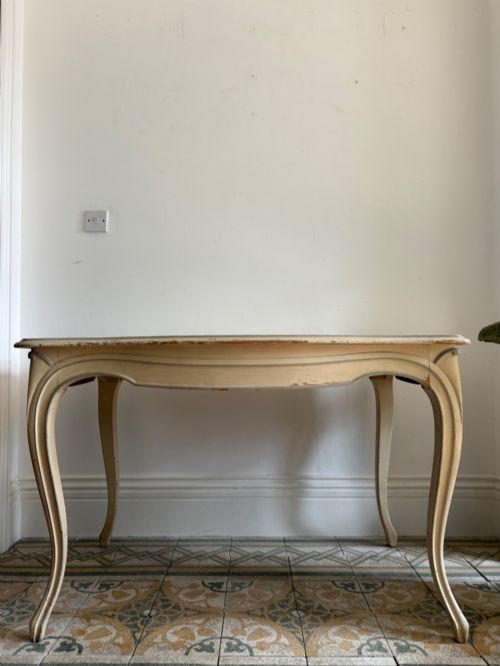
Look for characteristic construction methods, hardware, and stylistic indicators such as Art Deco geometry or Queen Anne revival cabriole legs.
Examination of the timber, particularly the use of burr walnut veneers or limed oak, helps confirm the period alongside any accompanying silver hallmarks on dressing table accessories.
What is a lowboy dressing table?
A lowboy is a small table featuring one or more rows of drawers supported by relatively short legs. They were frequently used as compact dressing tables in bedrooms.
These pieces often display period revival characteristics like walnut cabriole legs or serpentine fronts.
Are mirrors usually original to these tables?
Many dressing tables retain their original triple mirror attachments or pivoting dressing mirrors supported by small drawers. Because mirrors are fragile, some surviving tables have had replacement glass fitted later.
Checking the bevels, silvering oxidation, and the wood framing helps determine whether the mirror assembly belongs to the original carcase.
How should I care for a walnut dressing table?
Protect the wood surface from direct sunlight and excessive moisture by using coasters under any glass or silver vanity items. Regular dusting with a soft, dry cloth preserves the finish of the burr walnut veneer.
Avoid commercial silicone sprays and instead apply appropriate beeswax sparingly when the wood appears dry.