



1920s Diamond Solitaire
A 1920s diamond solitaire embodies the geometric elegance and enduring romance of the Art Deco period, offering buyers a singular, hand-set gemstone mounted to catch the light from every angle.
1920s Diamond Solitaire
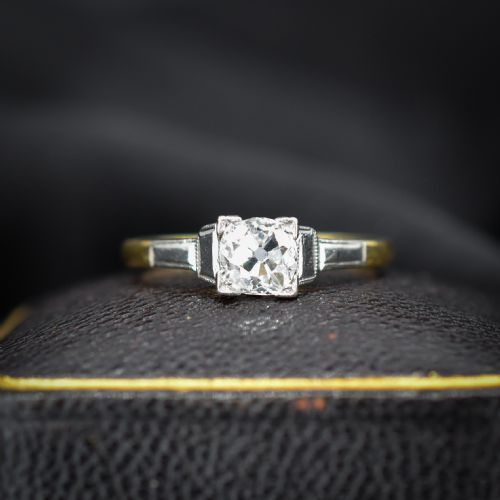
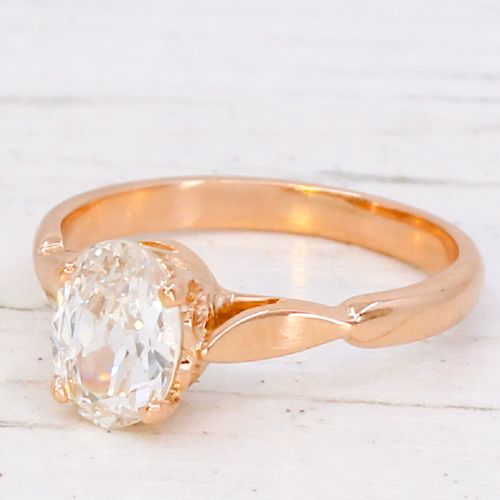
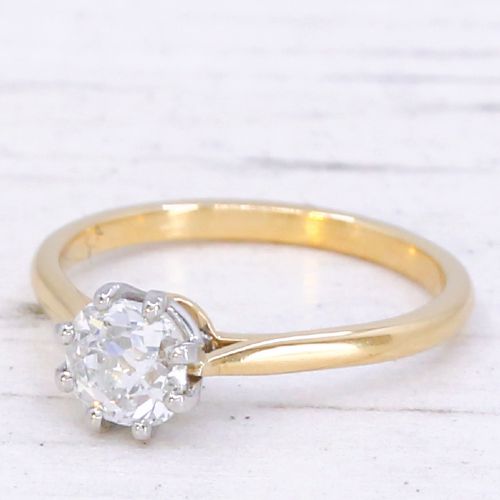
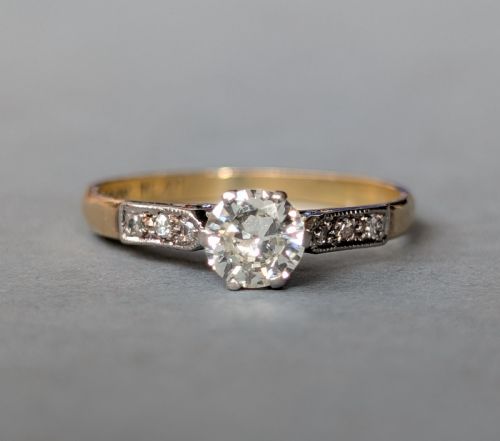
A 1920s diamond solitaire centres on a single prominent gemstone, most commonly presented as an engagement ring or pendant from the Art Deco or Edwardian eras. These pieces typically feature hand-cut stones mounted securely in platinum or combinations of platinum and gold.
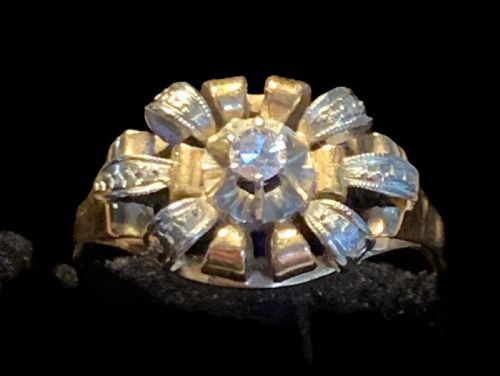
The selections span from delicate lower carat weights to substantial stones exceeding three carats, often accompanied by smaller accent gems such as sapphires or pearls. Buyers encounter both square and round configurations that reflect the distinct aesthetic transitions of the early twentieth century.
Originating predominantly from the 1920s and 1930s, alongside select Edwardian examples, these rings showcase the architectural symmetry and refined craftsmanship characteristic of the period.
How They Were Made
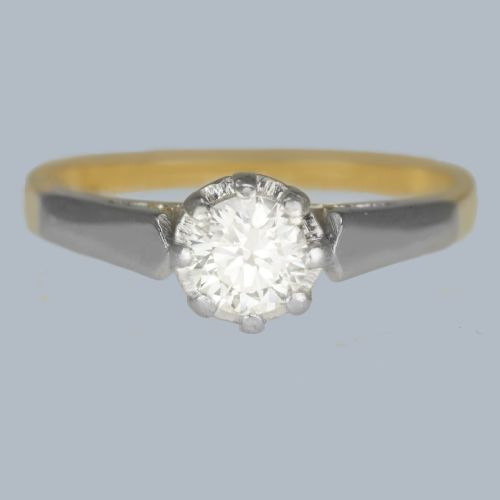
Goldsmiths of the era relied heavily on platinum for its strength, allowing them to fashion ultra-thin yet secure settings that maximised light entry into the diamond. This white metal was frequently paired with 18ct yellow or white gold shanks to create striking two-tone contrasts.
The diamonds themselves were shaped by hand using traditional techniques like old European, old mine, and transitional cuts, which produced softer, chunkier facets rather than the precise mathematical symmetry of modern stones.
1920s Diamond Solitaire Retail Price Guide 2026
Typical asking prices for 1920s diamond solitaire among the pieces listed under this phrase on Sellingantiques today, from the lower quarter to the upper quarter. They describe what is for sale here now, not the wider market.
Several rings sneakily pair icy diamonds with deep blue Burmese sapphires or delicate natural blister pearls for an unexpected twist.
What Varies in Quality
The integrity of the original setting and the precision of the hand-cut diamond dictate the overall quality of a piece. Settings that retain their crisp geometric edges and secure claw work without thinning demonstrate superior preservation.
Diamond quality depends on the natural colour grade, clarity, and the symmetry achieved by the historic cutter. Stones exhibiting minimal inclusions and balanced light return command greater appreciation among collectors.
The 1920s Diamond Solitaire Glossary
- Old Cut
- A historic diamond cutting style characterised by a high crown, small table, and deep pavilion. This old technique produces broad, romantic flashes of light under candlelight.
- Platinum
- A dense, durable white metal utilised extensively in the 1920s for fine jewellery settings. It permits delicate wirework and securely holds precious gemstones.
- Art Deco
- A design style emerging in the 1920s defined by geometric precision, stylised motifs, and sleek lines. It superseded the flowing curves of the Edwardian era.
- Solitaire
- A jewellery setting featuring a single main gemstone mounted alone. This minimalist approach draws complete focus to the central stone.
- Transition Cut
- A diamond cut bridging the older historic cuts and the modern brilliant cut. It typically displays a slightly larger table and thinner culet.
1920s Diamond Solitaire: Frequently Asked Questions
How do I identify a 1920s solitaire?
Examine the mounting for characteristic Art Deco geometric motifs and combination metals like platinum-topped yellow gold. The presence of hand-cut old European diamonds further indicates this specific era.
Look closely at the underside and band construction, as period manufacturing techniques differ significantly from modern casting methods. Hallmarks and stylistic markers provide additional clues to the exact decade of creation.
Are these rings suitable for daily wear?
Platinum and 18ct gold provide robust foundations for everyday use when the metal remains thick and healthy. Regular checks by a professional jeweller ensure the claws maintain their grip on the central stone.
Consider the profile of the setting and your daily activities to prevent unnecessary knocks to antique claws. Proper care preserves both the delicate metalwork and the vintage diamond.
What is an old cut diamond?
An old cut refers to diamonds shaped by hand prior to the advent of modern machinery in the mid-twentieth century. These stones feature smaller tables and deeper pavilions that create a distinctive, softer visual texture.
Collectors prize these historic cuts for their unique character and the way they adapt to ambient lighting conditions. Each stone reflects the individual hand of the artisan who shaped it.
Did these rings use yellow gold?
Many pieces combine 18ct yellow gold shanks with platinum heads to showcase the diamond against a bright white background. This two-tone construction was a hallmark of the period's manufacturing preferences.
All-yellow gold variations also appear across the inventory, often displaying warm patinas developed over a century of existence. The choice of metal reflects both regional tastes and changing workshop fashions.