





1910s Gold Solitaire Ring
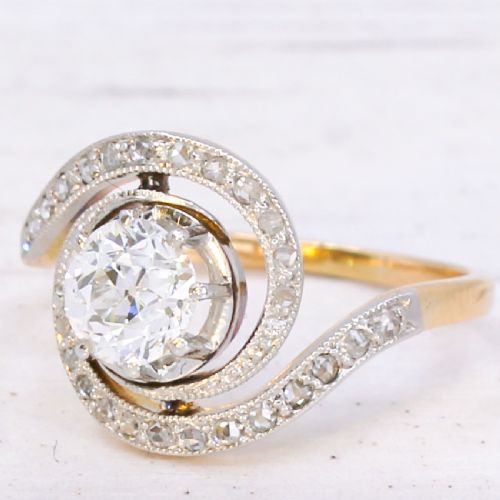
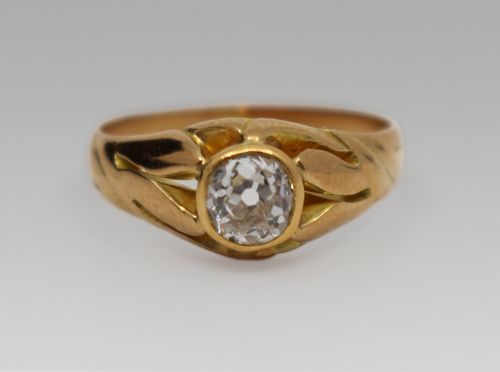
A 1910s gold solitaire ring brings together the grace of the Edwardian era and the early glint of old cut diamonds.
1910s Gold Solitaire Ring
A 1910s gold solitaire ring is a single-stone jewel designed to showcase a central gem on a precious band. You encounter pieces spanning the Edwardian period, 1910, and 1920, reflecting a time of delicate craftsmanship.
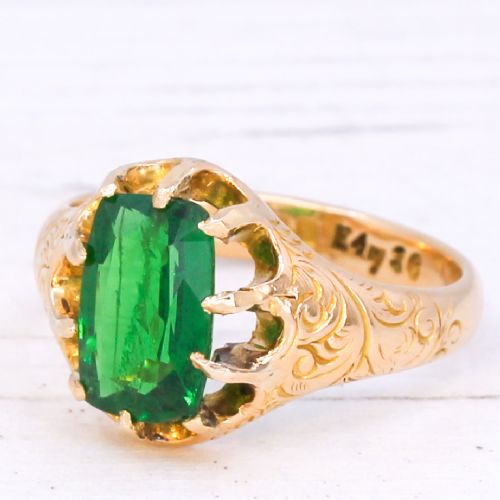
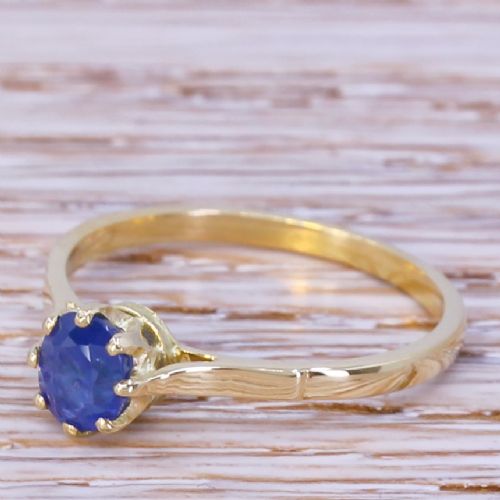
The selections here feature rings fashioned primarily from yellow gold, rose gold, and 18ct yellow gold, frequently paired with platinum settings. These compositions deliver the characteristic warmth and contrast typical of the decade.
Central stones extend beyond traditional diamonds to include sapphires, tsavorite garnet, and high zircon. Old European cut diamonds and old cut diamonds dominate the stone shapes seen across these listings.
How they were made
Makers of a 1910s gold solitaire ring utilised yellow and rose gold for the shanks, often employing 18ct purity. Platinum frequently appears in the mounting to secure the stones with minimal visible metal.
Gems were shaped by hand, resulting in old European and old cut diamonds with distinctive facet patterns that catch candlelight differently than modern cuts. Settings relied on careful claw and bezel construction to hold prominent gems securely.
1910s Gold Solitaire Ring Retail Price Guide 2026
Typical asking prices for 1910s gold solitaire ring among the pieces listed under this phrase on Sellingantiques today, from the lower quarter to the upper quarter. They describe what is for sale here now, not the wider market.
Listings for a 1910s gold solitaire ring span the Edwardian era and the 1920s, combining yellow gold, rose gold, and platinum.
What varies in quality
The standard of a 1910s gold solitaire ring depends upon the proportion and brilliance of the central gem relative to the mount. Heavier carat weights in diamonds, sapphires, and garnets distinguish the most substantial examples.
Finishing work on the metal band and the delicacy of the platinum claw settings dictate the refinement of the piece. The integrity of the original claw work and the crispness of the gold shaping separate standard items from finer works.
The 1910s Gold Solitaire Ring Glossary
- Solitaire ring
- A ring set with a single gemstone, designed to draw full attention to the central stone. This form is common in engagement rings from the early twentieth century.
- Old European cut
- An early form of brilliant cut diamond featuring a small table, high crown, and large culet. This cut produces a characteristic chunky facet sparkle under low light.
- Platinum
- A dense, durable white metal utilised in jewellery manufacturing for its strength. Jewellers used it to securely hold stones while keeping settings visually light.
- Edwardian
- A stylistic period spanning the early twentieth century, known for intricate floral motifs and graceful lines. Jewels from this time often combine yellow gold with white platinum.
1910s Gold Solitaire Ring: Frequently Asked Questions
How do I care for a 1910s gold solitaire ring?
Clean your ring gently using warm water, mild soap, and a soft brush to remove everyday debris from beneath the setting. Avoid harsh chemical dips, especially with softer gemstones like tsavorite garnet or sapphire.
Take the ring off during heavy manual work or gardening to protect the antique gold band and delicate platinum prongs from unnecessary wear.
Are these rings suitable for daily wear?
A 1910s gold solitaire ring can be worn daily provided you treat it with the care due to an antique item. Gold and platinum are durable, but old settings require gentle treatment compared to modern industrial mountings.
Have a professional jeweller inspect the claws periodically to ensure the central diamond or gemstone remains completely secure.
What is the difference between old cut and modern diamonds?
Old cut diamonds were shaped by hand under candlelight, resulting in smaller tables, steeper crown angles, and larger culets at the base. This gives them a softer, deeper glow compared to the precise geometric brilliance of modern cuts.
These historic stones carry unique individual character shaped by the lapidaries of the early twentieth century.