





Edwardian Rose Gold Band
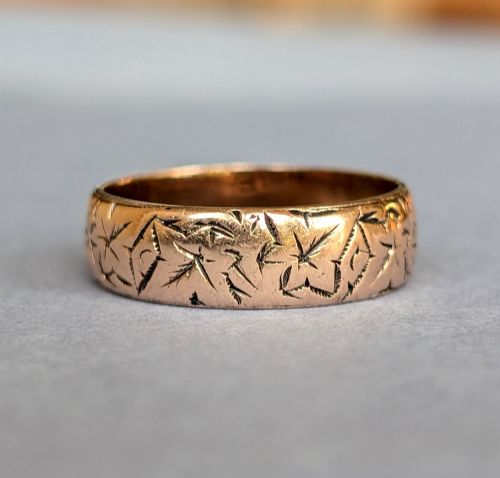
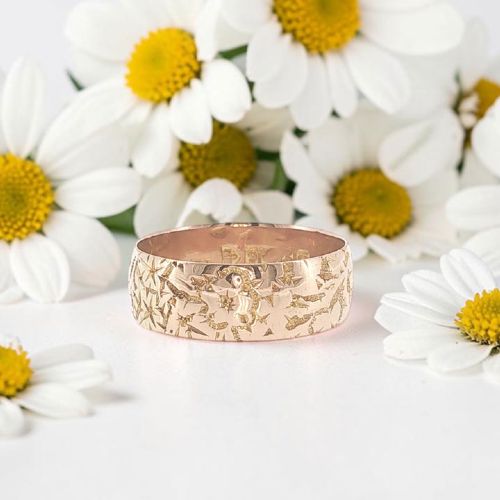
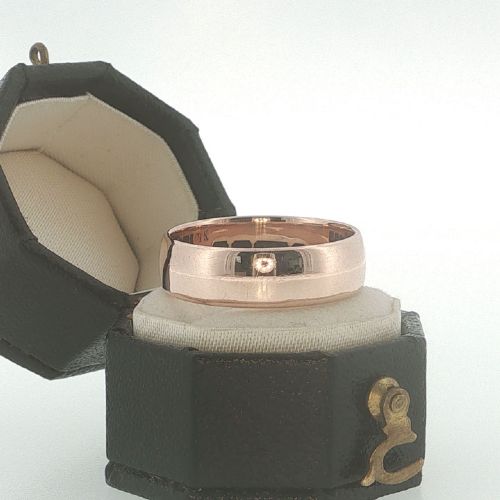
An edwardian rose gold band brings the warm, distinctive blush of historic metalwork to the finger.
Edwardian Rose Gold Band
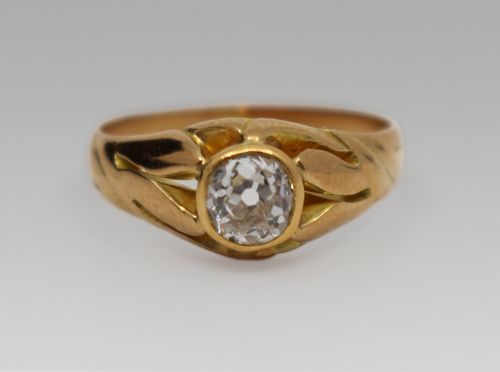
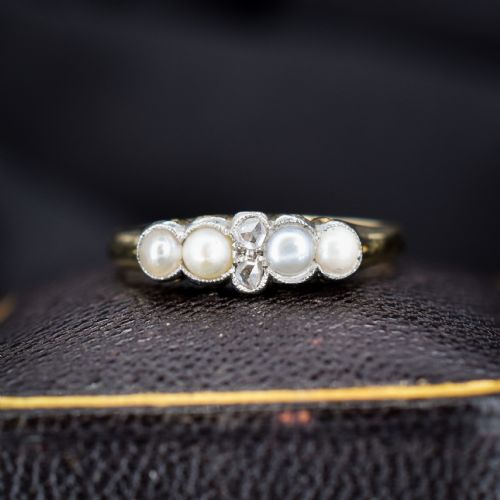
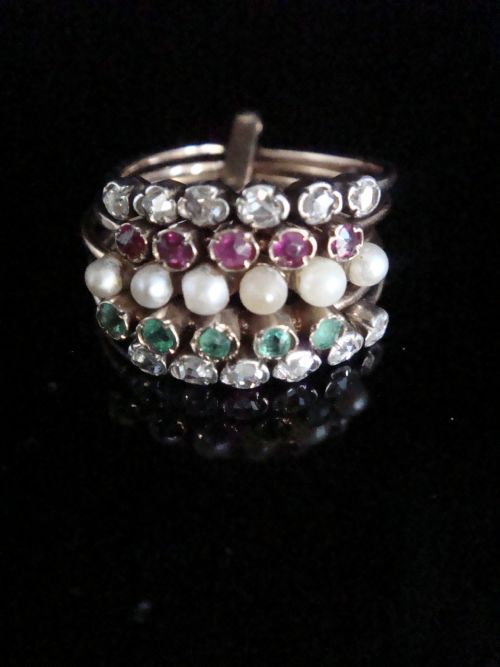
Many of these examples feature additional materials such as rose-cut diamonds, pearls, sapphires, and turquoise. Forms range from simple five-millimetre wedding bands to multi-row harem stacking rings and snake motifs carrying historic symbolism.
How they were made
These rings utilise gold alloys traditionally cast or fabricated to achieve a warm pink hue, shaped into plain bands or wide circlets suitable for detailed engraving. Goldsmiths worked extensively with 9ct and 18ct rose gold, often incorporating hallmarking stamps that record specific assay offices like Chester and London alongside dating years.
Gemstone integration involved hand-setting rose-cut diamonds, turquoise, pearls, and sapphires directly into the metal surface. Serpent designs and floral patterns relied on precise hand-engraving techniques executed by period artisans.
Edwardian Rose Gold Band Retail Price Guide 2026
Typical asking prices for edwardian rose gold band among the pieces listed under this phrase on Sellingantiques today, from the lower quarter to the upper quarter. They describe what is for sale here now, not the wider market.
Object forms span wedding bands, stacking rings, lockets, and serpent motifs set with diamonds and sapphires.
What varies in quality
The distinction between tiers rests upon the weight and purity of the gold alloy used, moving from 9ct up to substantial 18ct mountings. Heavier gauge bands retain their structural integrity and crispness of engraved detail far better over decades of wear.
Quality also appears in the selection and setting of supplementary stones. Well-matched sapphires, securely mounted pearls, and cleanly faceted rose-cut diamonds elevate the finished piece significantly above simpler metal-only counterparts.
The Edwardian Rose Gold Band Glossary
- Rose gold
- A gold and copper alloy producing a distinct pinkish or reddish warm tone. It gained wide popularity during the Victorian and Edwardian eras.
- Rose-cut diamond
- An antique diamond cut featuring a flat base and a domed crown composed of triangular facets. This style creates a soft, subtle reflection rather than modern brilliance.
- Hallmark
- An official stamp applied to precious metals indicating purity, origin, and the year of assay. Chester and London are common English assay offices found on these pieces.
- Harem ring
- A multi-row stacking ring designed so several individual bands fit together on the finger. Edwardian examples often combine varied gemstones across multiple rows.
- Snake ring
- A serpentine jewellery motif popular in the nineteenth and early twentieth centuries. In historic pieces, the serpent typically symbolised eternal love and devotion.
Edwardian Rose Gold Band: Frequently Asked Questions
How do I know if a band is genuinely Edwardian?
Authentic Edwardian pieces often carry official hallmarks indicating assay years from the early twentieth century. Stylistic markers such as delicate floral engraving and specific gemstone settings also point to this period.
Comparing the construction methods and wear patterns against known examples helps confirm age. Hallmarks remain the most reliable indicator of origin and date.
Can I wear an antique rose gold band every day?
Many people wear these historic bands daily, provided the metal gauge is sufficiently robust. Thicker bands and solid 18ct constructions handle daily friction better than delicate or heavily engraved variations.
Checking the security of any set stones is essential before regular wear. Consulting a jeweller for a routine prongs and setting check prevents accidental loss.
What is the difference between 9ct and 18ct rose gold?
The primary difference lies in the proportion of pure gold contained within the alloy. Eighteen carat gold contains a higher percentage of pure gold than nine carat gold, resulting in a richer colour and heavier feel.
Both purities were widely utilised during the periods represented here. Personal preference for weight and exact hue typically guides the choice between them.
How should I clean my antique ring?
Gentle cleaning with warm water, mild soap, and a soft cloth is generally safe for solid gold bands. Harsh chemical dips and ultrasonic cleaners can damage softer gems like pearls or turquoise.
Keeping stones dry and storing the ring separately prevents scratching. Professional cleaning by a specialist ensures antique settings remain undisturbed.