
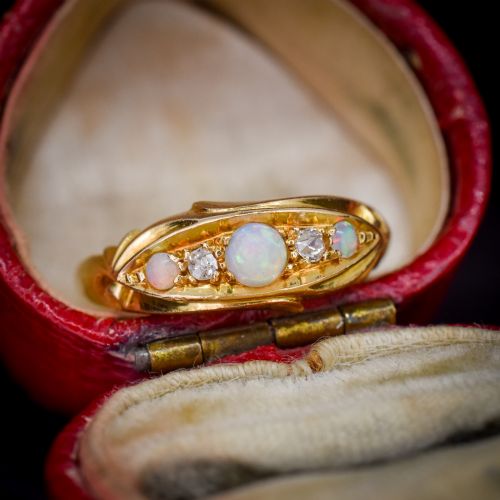
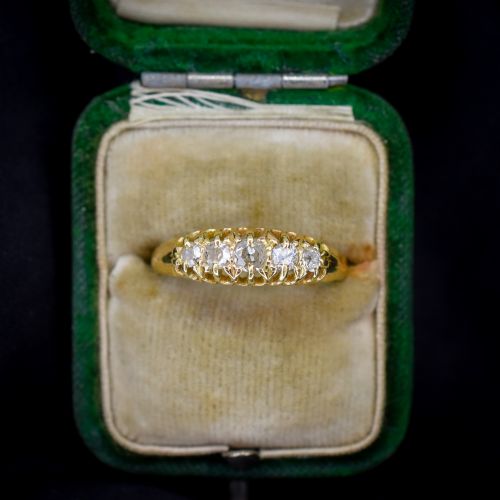

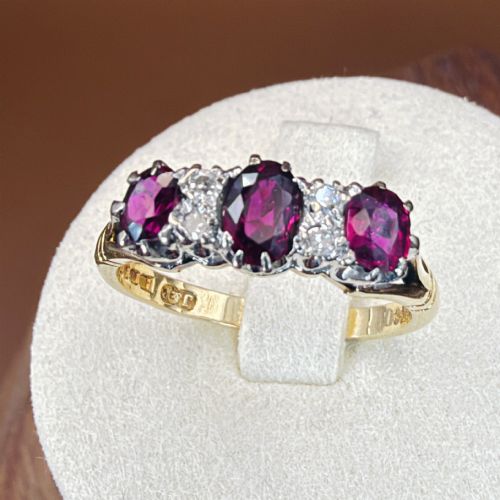
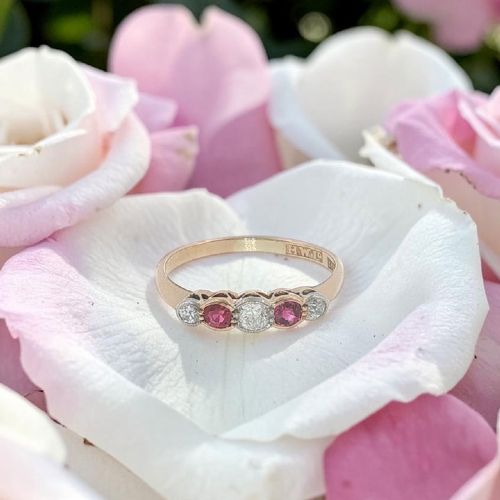

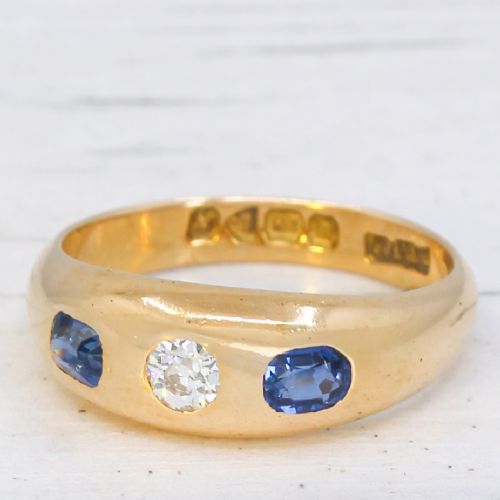


1910s Gold Ring
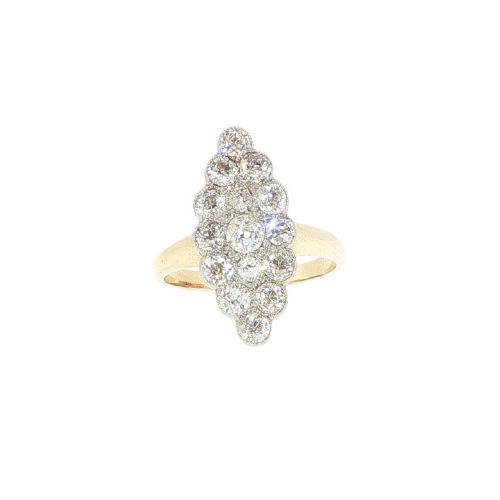
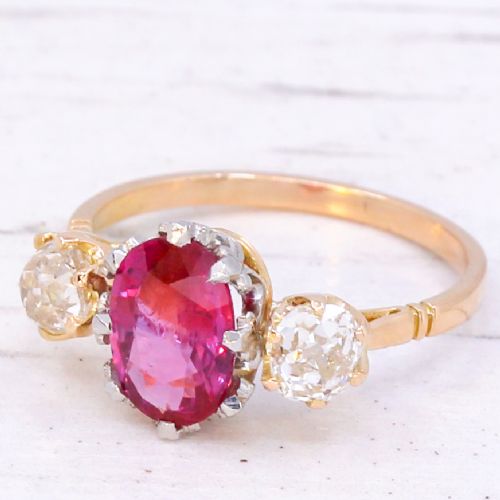
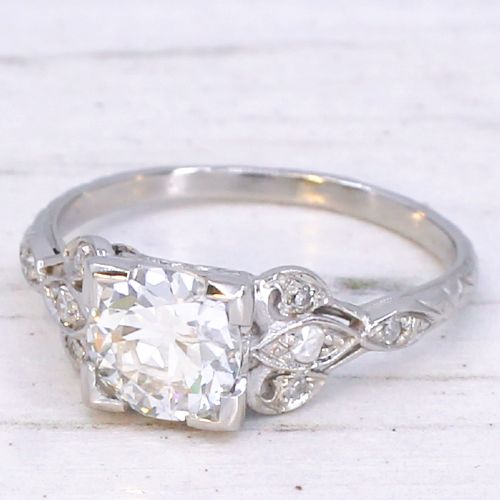
These 1910s gold ring examples combine Edwardian goldsmithing with striking coloured gems, offering a distinct aesthetic for the finger.
1910s Gold Ring
A 1910s gold ring represents jewellery from the Edwardian era, specifically taking form as a solitaire setting. The pieces recorded here date to the years 1910 and 1919.
The primary forms found in this group are solitaire rings. Each piece showcases a single prominent centre stone secured within a precious metal mount.
How they were made
These items use 18ct yellow gold to form the shank and settings. Goldsmiths shaped the precious metal to support substantial gemstone weights.
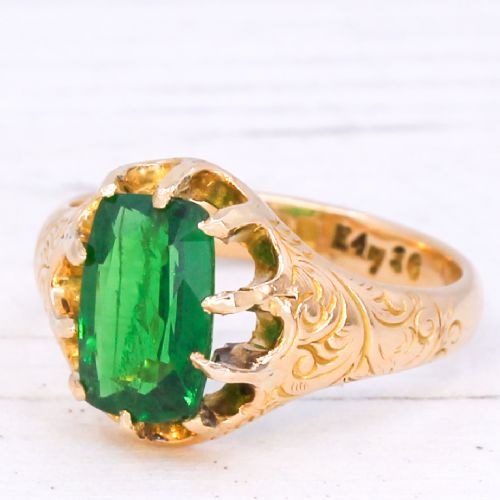
The construction centres on solitaire designs that highlight individual stones such as tsavorite garnet and high blue zircon. Master cutters faceted these large gems to maximise their brilliance within the precious metal mounts.
Listings for this phrase include 18ct yellow gold alongside tsavorite garnet and blue zircon solitaire forms from the Edwardian period.
What varies in quality
Quality differences emerge in the scale and visual impact of the centre stones. Large carat weights, such as multi-carat tsavorite and high zircon gems, elevate the presence of the jewellery.
The refinement of the 18ct yellow gold mounting also distinguishes individual pieces. Heavier metal work and precise setting techniques separate standard production from more ambitious goldsmithing.
The 1910s Gold Ring Glossary
- Solitaire
- A ring setting designed to hold a single gemstone as the focal point. This traditional form concentrates visual interest onto one prominent stone.
- Tsavorite Garnet
- A vibrant green grossular garnet variety known for high brilliance and rich colour saturation. This gemstone provides a striking alternative to emeralds in period jewellery.
- Blue Zircon
- A natural silicate mineral with strong dispersion and lively brilliance. It serves as a prominent blue centre stone in early twentieth-century rings.
- 18ct Yellow Gold
- An alloy containing a high proportion of pure gold combined with strengthening metals to achieve a rich yellow hue. This material forms the durable structure for Edwardian stone settings.
- Edwardian
- A stylistic period spanning the early twentieth century defined by refined craftsmanship and lighter, more delicate metalwork than Victorian pieces. Rings from this era often feature platinum-topped gold or warm yellow gold mounts.
1910s Gold Ring: Frequently Asked Questions
What is a 1910s gold ring?
A 1910s gold ring is a piece of antique jewellery originating from the Edwardian decade. These items typically feature 18ct yellow gold and singular gemstone settings.
The surviving examples demonstrate the period preference for substantial solitaire designs. They capture the specific aesthetic of early twentieth-century goldsmithing.
What stones are used in these rings?
The stones recorded in this period include tsavorite garnet and high blue zircon. These gems provide significant carat weights and distinct natural colour.
Each stone is mounted individually as a solitaire. This highlights the optical properties and cut of the specific mineral.
How do I care for 18ct gold rings?
Care involves gentle cleaning with soft cloths and avoiding harsh chemical exposure. The 18ct yellow gold and set gemstones require standard precautions against physical impacts.
Storing each ring separately prevents scratching from other jewellery. Regular inspection of the settings ensures the stones remain secure.