
Antique Green Ring
When you search for an antique green ring, you are looking at centuries of lapidary work in emerald, jadeite, tourmaline, and paste.
Antique Green Ring
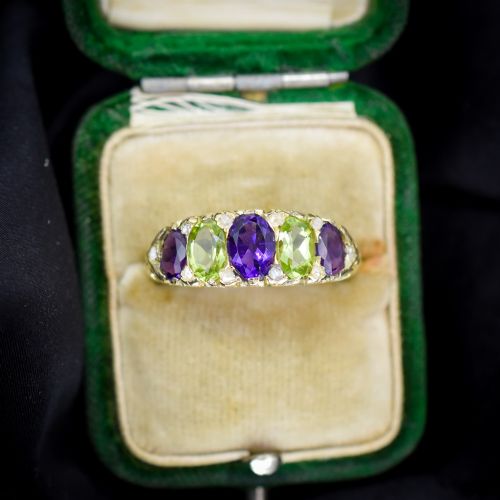
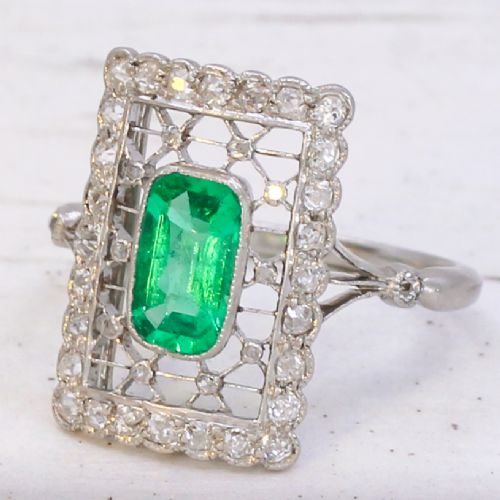
The term antique green ring brings together finger ornaments spanning the Victorian, Edwardian, and Art Deco periods, predominantly featuring green stones set in gold or platinum.
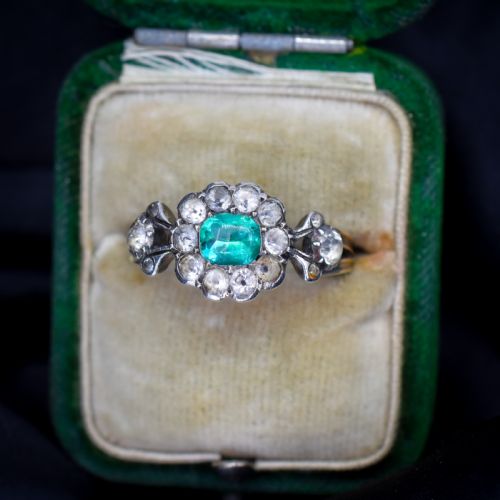
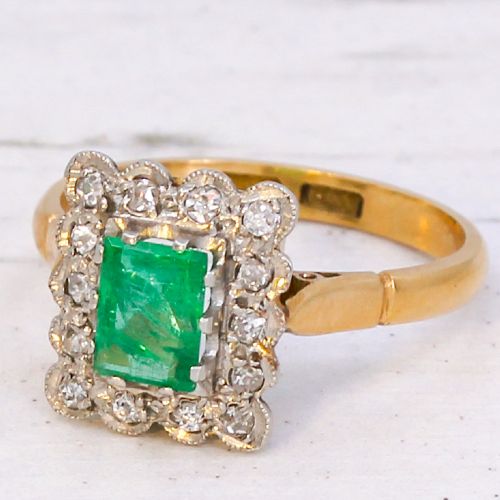
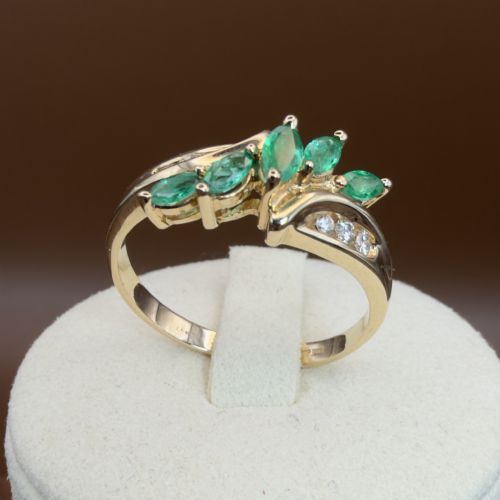
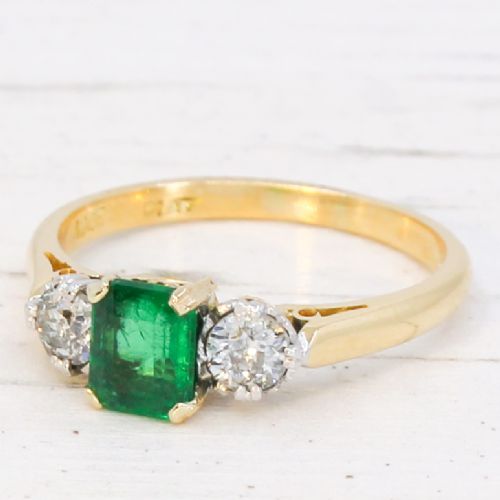
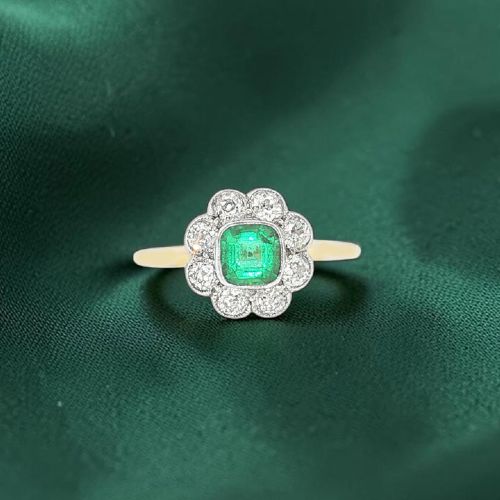
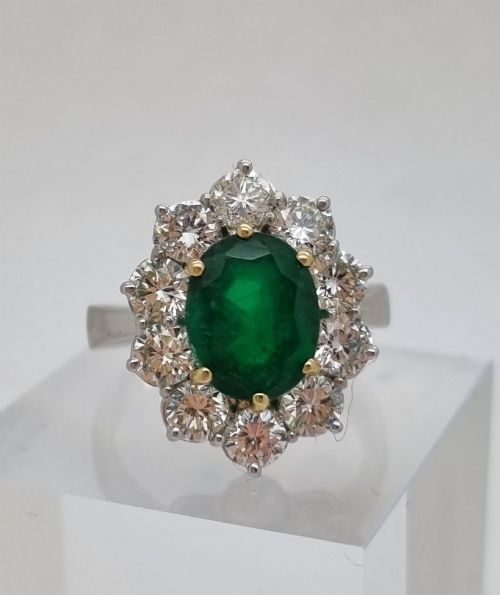
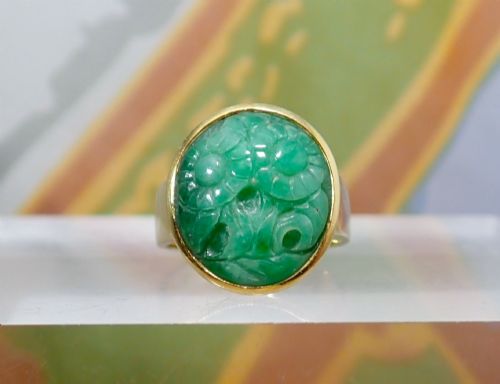
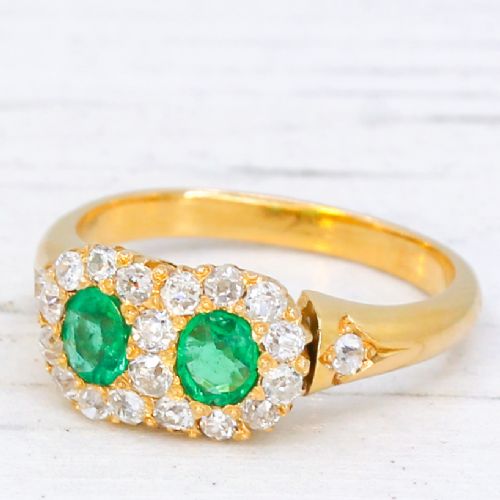
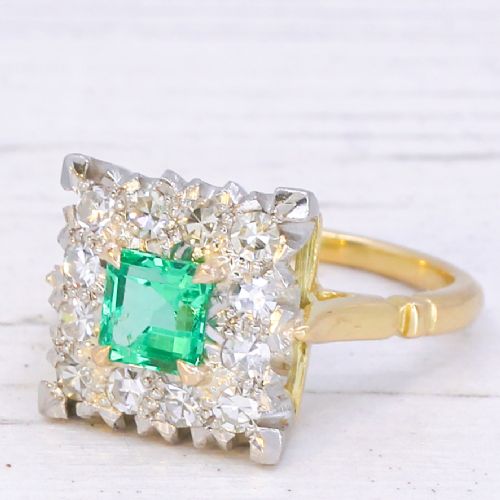
Emeralds dominate the selection, appearing as solitary cabochons, brilliant cluster arrangements framed by old-cut diamonds, or substantial cocktail settings from the mid-century.
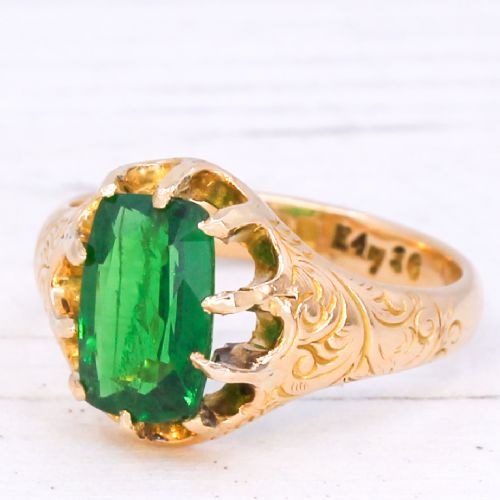
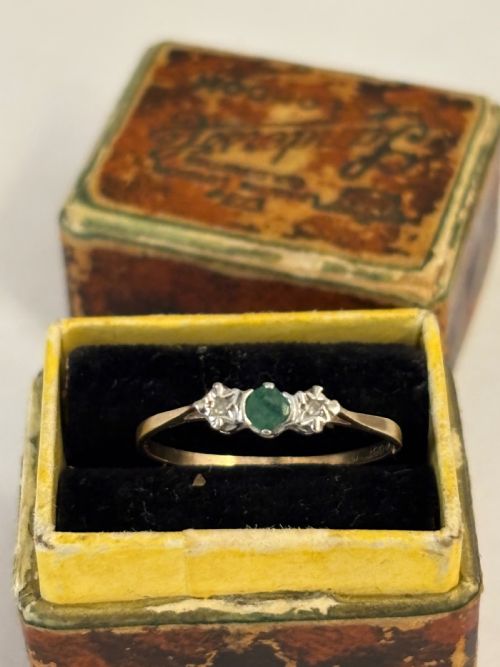
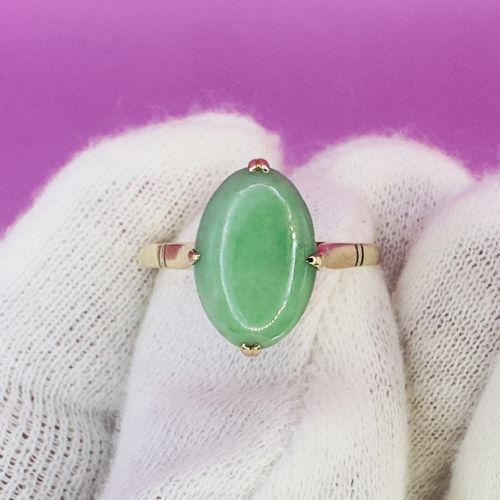
Alongside emeralds, the records show jadeite, green paste, bloodstone, and tsavorite mounted in bands ranging from delicate Edwardian mountings to robust 19th-century gold work.
Materials and construction methods
Goldsmiths utilised platinum, 18ct yellow and white gold, and occasionally 9ct gold to securely house precious green gems using prong, bezel, and channel techniques.
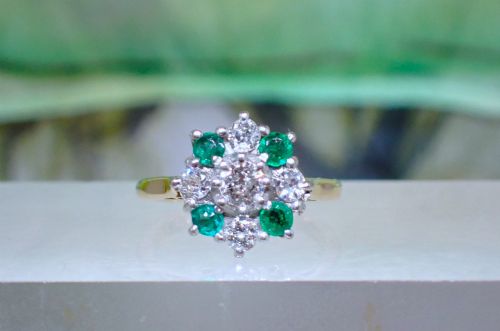
Diamonds frequently accompany emeralds in old-cut cluster configurations, reflecting the prevailing lapidary fashions of the early 20th century.
Materials span platinum, yellow gold, white gold, diamonds, emeralds, jadeite, and tsavorite.
Factors determining quality
Quality rests upon the natural origin, clarity, and treatment level of the central green stone, alongside the finesse of the surrounding metalwork and diamond selection.
Substantial platinum and high-carat gold mountings holding certified origin stones sit at the upper end of the scale, whereas smaller paste or treated stones represent more accessible varieties.
William Bazeley and Sons·Liberty and Co
The Antique Green Ring Glossary
- Cluster ring
- A central stone surrounded by a ring of smaller accent stones, typically diamonds framing a central emerald.
- Cabochon
- A gemstone shaped and polished with a smooth convex surface rather than faceted edges.
- Paste
- Hand-cut glass used historically as a gemstone substitute in antique jewellery.
- Old-cut
- A diamond cutting style characterised by a high crown and small table, prevalent before modern brilliant cutting standardised.
Antique Green Ring: Frequently Asked Questions
How do I care for my antique green ring?
Most antique rings with softer stones or delicate settings require gentle cleaning with a soft cloth rather than ultrasonic baths.
Storing them individually prevents abrasion from harder diamonds or platinum mountings.
What periods do these rings come from?
The available pieces span the Victorian, Edwardian, Art Deco, and mid-century eras, reflecting shifting design preferences.
Earlier examples often feature lower-carat gold or silver-topped gold, while later decades favour platinum and 18ct white gold.
Are these emeralds treated?
Many natural emeralds undergo minor or negligible oil treatments to enhance clarity, which is a standard historical practice.
Certification documents often accompany higher-value stones to verify their geographic origin and treatment status.