

Solitaire Gemstone Ring
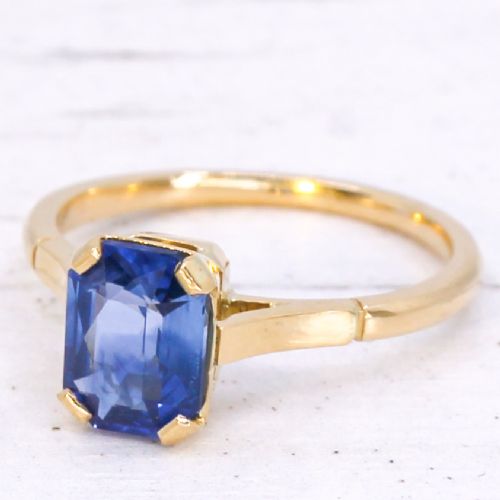
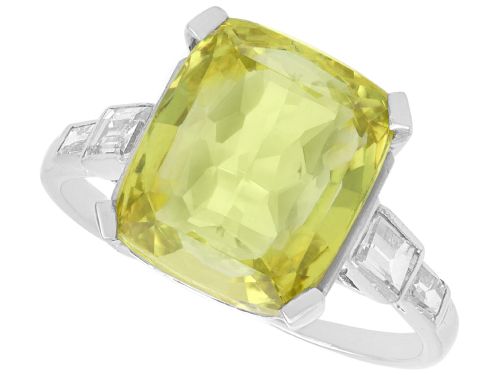
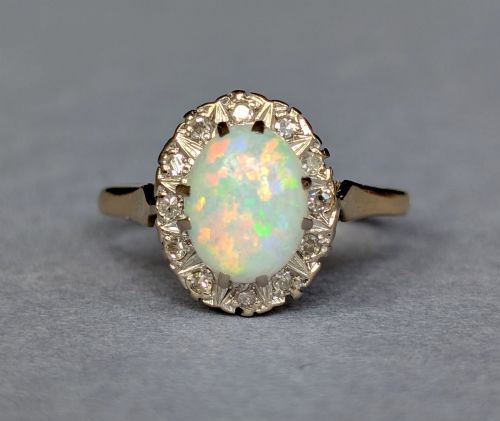
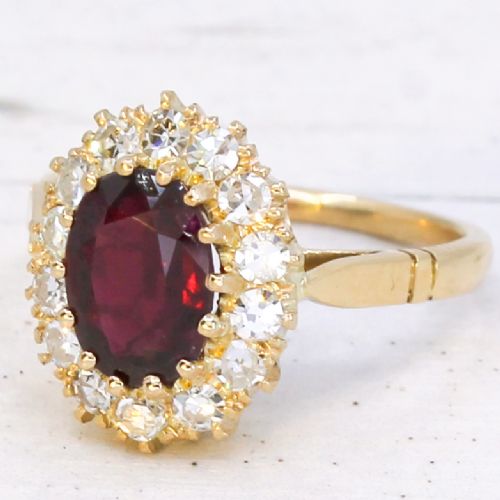
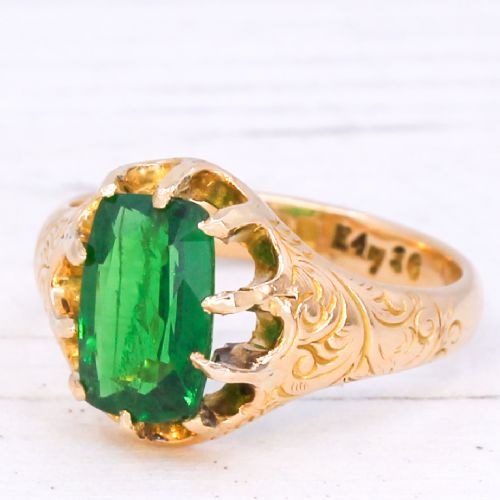
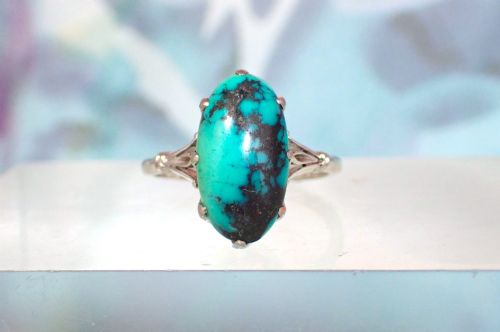
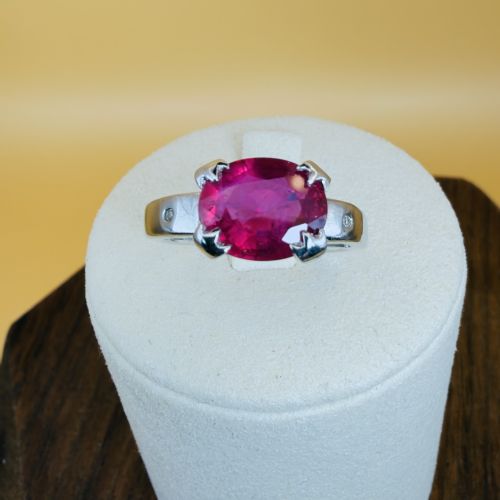
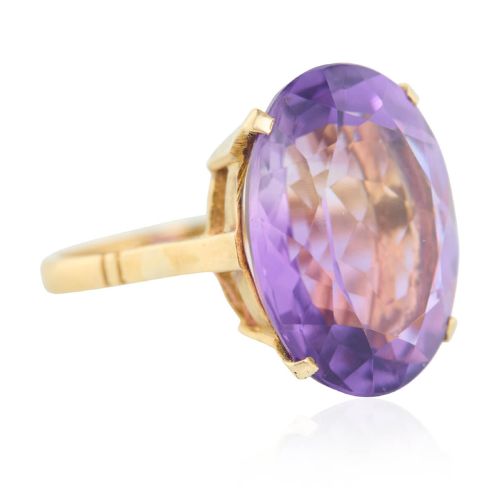
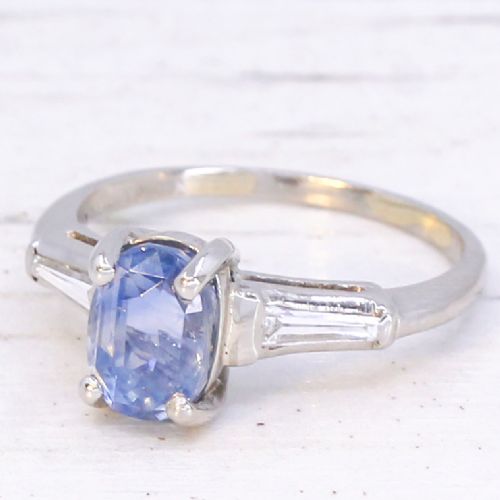
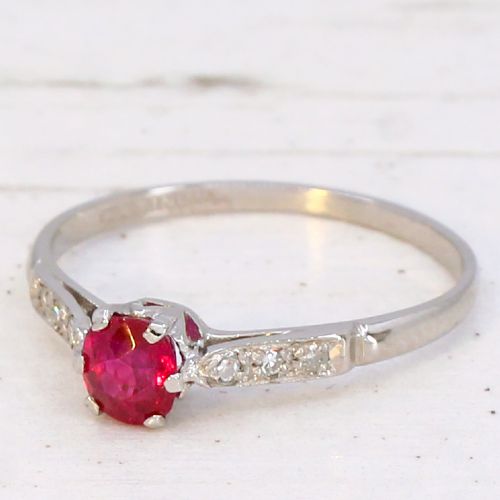
A solitaire gemstone ring centres a single stone on the hand, offering a direct focus on colour and form.
Solitaire Gemstone Ring
A solitaire gemstone ring focuses attention on a single prominent mineral or gem set onto a band, creating a clean silhouette. When exploring a solitaire gemstone ring, buyers encounter pieces spanning from the eighteenth century through the Georgian, Victorian, Edwardian, Art Deco, and mid-century periods.
The selection includes numerous varieties featuring diamonds, sapphires, rubies, amethysts, opals, and jade mounted in gold, silver, or platinum. Art Deco designs and mid-century modern pieces frequently appear alongside older Georgian and Victorian examples, showing shifts in aesthetic preferences over centuries.
Materials and Construction
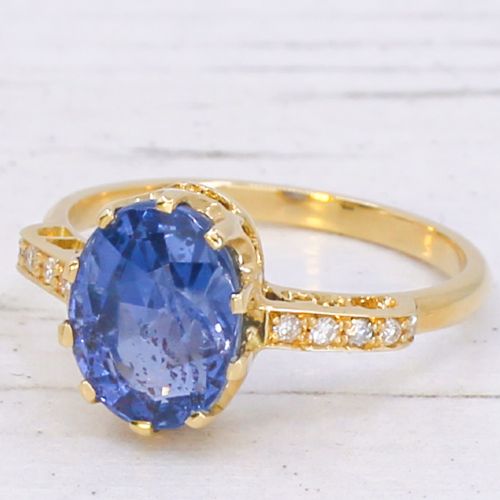
Goldsmiths utilise varying purities of gold, including nine-carat, fourteen-carat, fifteen-carat, and eighteen-carat, alongside platinum and sterling silver to form the bands and settings. Gemstones undergo different cuts such as oval, round, emerald, heart, and cabochon shapes to highlight their natural optical properties.
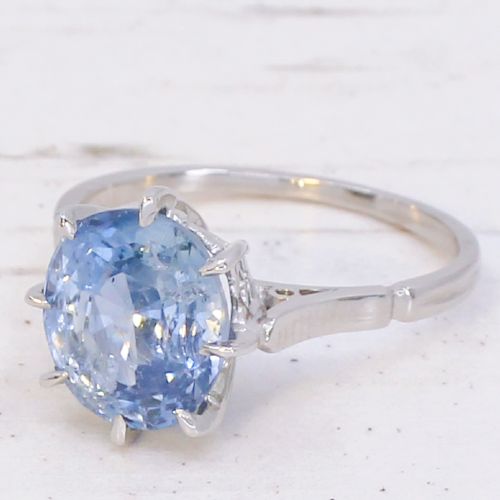
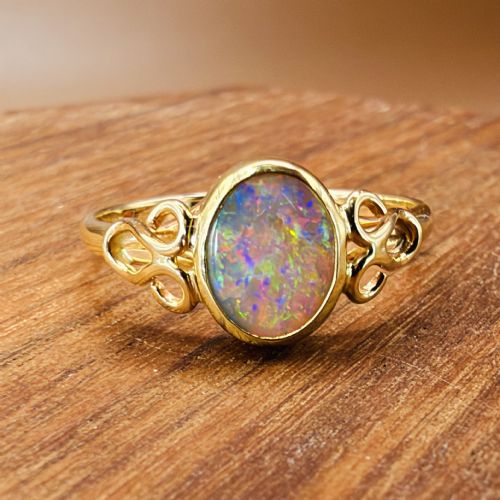
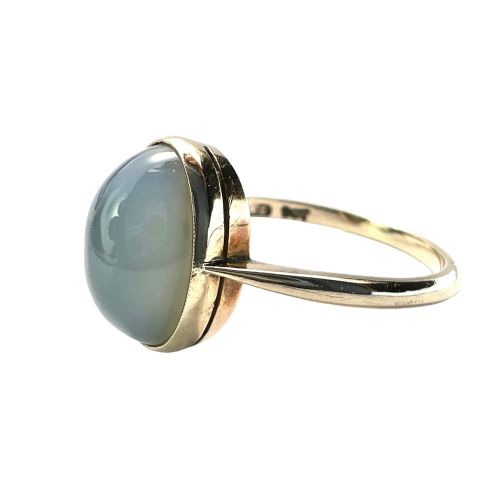
Settings vary from traditional claw mounts to bezel settings that encircle the stone entirely, securing materials ranging from hard diamonds to softer stones like opal, turquoise, and moonstone. Metalwork techniques reflect the prevailing style of each era, from geometric platinum Art Deco frameworks to heavier Victorian gold claws.
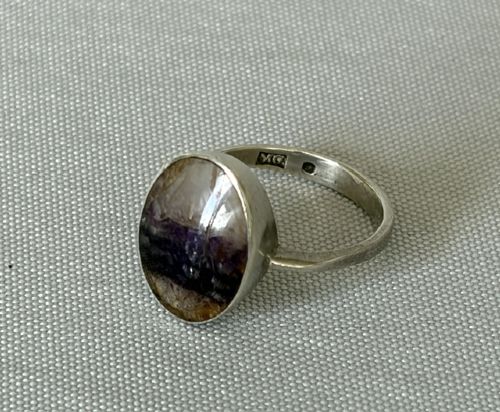
Gemstone selections include diamonds, sapphires, rubies, emeralds, opals, amethysts, turquoise, jade, and Blue John.
Assessing Quality and Character
Quality rests in the optical depth, natural origin, and clarity of the central gem, alongside the integrity of the metal setting holding it. Unheated sapphires and rubies from specific origins like Kashmir, Ceylon, or Burma hold distinct status compared to standard treated stones.
The execution of the setting and the preservation of the original metalwork over decades or centuries dictate the lasting character of each piece. Finer examples maintain crisp lines in platinum or gold work and securely anchored stones that display optimal light return or colour saturation.
The Solitaire Gemstone Ring Glossary
- Cabochon
- A gemstone shaped and polished with a smooth, rounded surface rather than faceted. This style is frequently utilised for opals, jade, turquoise, and star sapphires.
- Bezel setting
- A method where a thin metal collar wraps around the perimeter of the gemstone to hold it securely in place. This technique appears often in antique and Art Deco designs.
- Old mine cut
- An early diamond cut characterised by a cushion shape, a high crown, and a small table, typical of Georgian and Victorian jewellery.
- Unheated
- A descriptor for natural gemstones that have undergone no thermal enhancement to improve their colour or clarity. These stones are documented with specific geographic origins such as Ceylon or Kashmir.
Solitaire Gemstone Ring: Frequently Asked Questions
How do I identify the period of a ring?
Period identification relies on observing the combination of metal types, stone cuts, and overarching design styles. Georgian and Victorian pieces often employ heavier gold settings and old mine cuts, while Art Deco items feature geometric platinum frameworks.
Examining the setting technique and the characteristic shape of the gem provides further context. Jewelers across different eras utilised distinct structural approaches that distinguish early pieces from mid-century modern designs.
Which gemstones appear most frequently?
Sapphires, diamonds, rubies, and opals appear regularly across the available selection. Amethysts, emeralds, turquoise, jade, and aquamarine also feature prominently in various settings.
Each material brings distinct optical properties and durability levels to the design. Softer stones like opal and turquoise require different daily care compared to harder gems like diamond or sapphire.
How should I care for antique gemstone rings?
Care requirements depend entirely on the hardness and composition of the specific central gemstone and its metal mount. Softer stones and organic materials need gentle cleaning methods and protection from harsh impacts.
Regular inspection of the claws or bezel setting ensures the stone remains secure within the band. Professional checks help preserve the structural integrity of older platinum and gold mountings.