


1900s Gold Diamond Ring
A 1900s gold diamond ring brings the refined sparkle of the Edwardian era straight to the finger.
1900s Gold Diamond Ring
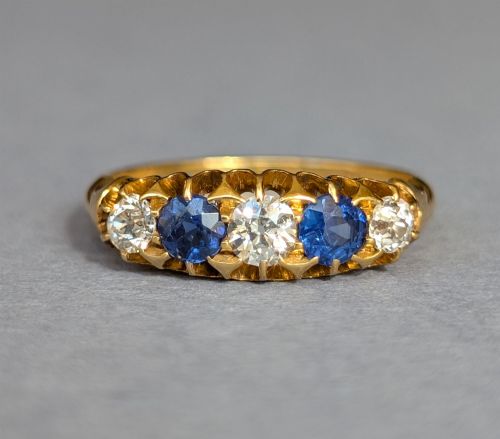
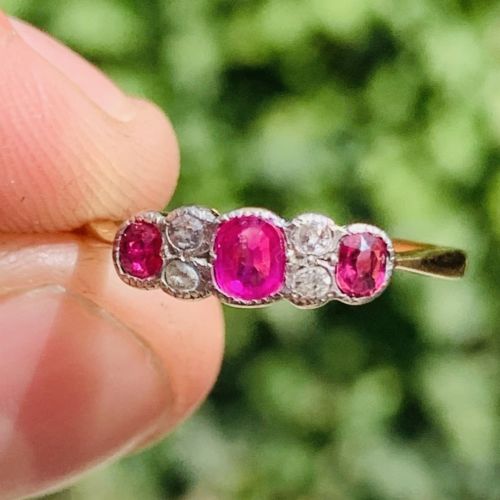
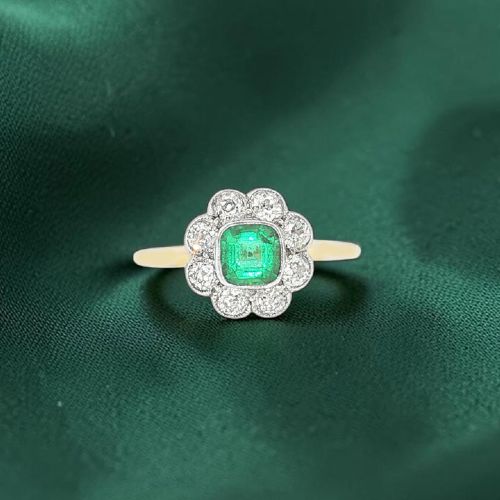
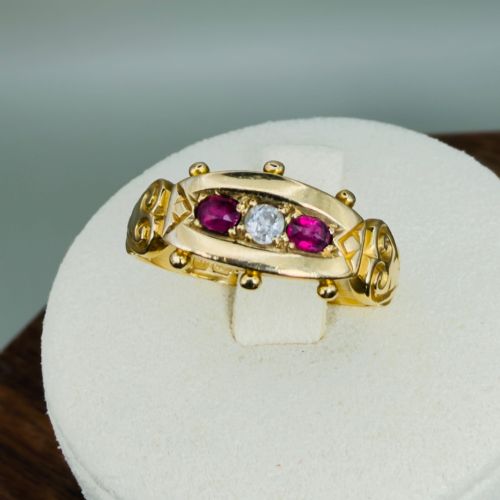
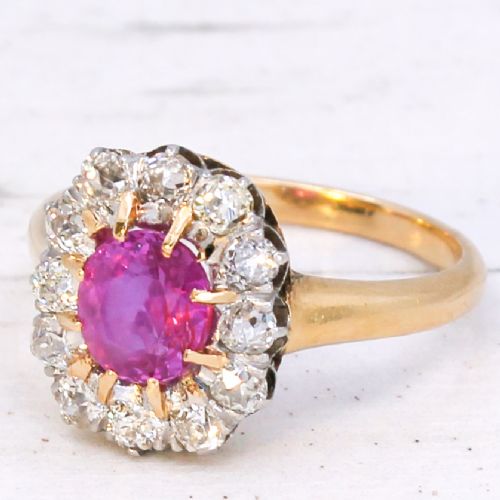
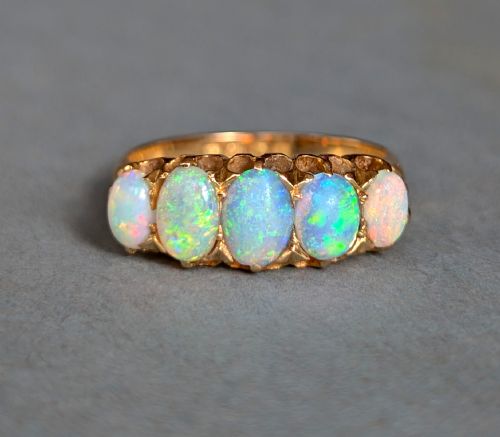
A 1900s gold diamond ring encompasses jewels created around the turn of the twentieth century, bridging the late Victorian, Edwardian, and Art Nouveau periods. These pieces showcase the delicate aesthetics of the era, frequently pairing diamonds with coloured gemstones such as rubies, sapphires, emeralds, and opals.
The most common formats met on this page include cluster rings, multi-stone trilogy settings, and serpent motifs executed in durable yellow gold. These rings display distinct craftsmanship from the 1900 to 1910 decade, reflecting the stylistic preferences of workshops operating in London and Birmingham.
Buyers seek these rings for their authentic period character and the charm of hand-set stones. Each piece carries the distinct hallmarks of early twentieth-century jewellery design, offering wearable history with individual character.
How They Were Made
Goldsmiths utilised eighteen-carat yellow gold as the primary foundation for mounting stones, often combining it with platinum to enhance the brilliance of the diamonds. This dual-metal technique allowed workshops to create secure, slender settings that maximised light entry into the gemstones.
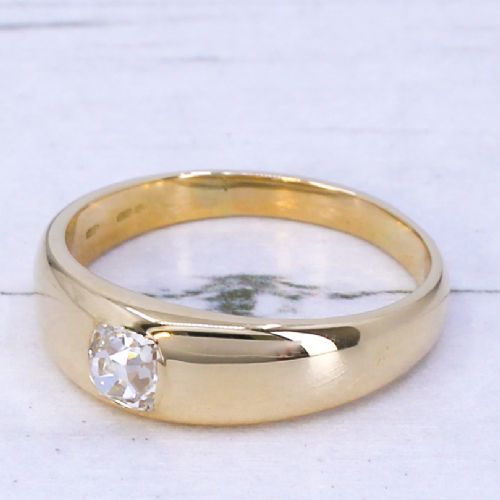
Gemstones such as old-cut diamonds, sapphires, rubies, and opals were meticulously set by hand into clusters, navette shapes, or multi-stone rows. Hallmarks stamped inside the bands confirm the provenance, metal purity, and assay office origins of each piece.
What Varies In Quality
Quality in these rings is determined by the fineness of the metalwork and the selection of the gemstones. Superior pieces feature crisp hand-carved details, well-matched coloured stones, and old-cut diamonds with strong optical liveliness.
The integrity of the original setting and the clarity of the assay hallmarks significantly influence the distinction between standard examples and exceptional survivals. Well-preserved mounts retain their original proportions without excessive thinning from past resizing.
The 1900s Gold Diamond Ring Glossary
- Old cut
- A vintage diamond cutting style characterised by a small table, high crown, and open culet, designed to catch candlelight. These stones display a softer, more romantic sparkle than modern brilliant cuts.
- Cluster ring
- A setting arrangement featuring a central gemstone encircled by a border of smaller stones, typically diamonds. This layout maximises visual presence and colour contrast on the finger.
- Navette
- A boat-shaped ring design that tapers to points at either end, sitting lengthways along the finger. The elongated silhouette was highly favoured during the late Victorian and Edwardian eras.
- Trilogy ring
- A three-stone setting symbolising the past, present, and future, frequently featuring a central diamond flanked by matching gemstones. The design remains a classic choice for engagement and anniversary jewellery.
- Hallmark
- An official stamp applied by an assay office to certify the purity of precious metals. British marks often include symbols for the maker, metal standard, and year of testing.
1900s Gold Diamond Ring: Frequently Asked Questions
How do I care for my 1900s ring?
Clean your ring gently using warm soapy water and a soft brush, avoiding harsh ultrasonic cleaners that can damage softer stones like opals or pearls.
Store the piece separately in a fabric-lined box to prevent the eighteen-carat gold and diamonds from scratching against other jewellery.
Can these rings be resized safely?
Most gold and platinum rings from this period can be adjusted by a skilled jeweller who understands antique mountings. Care must be taken around delicate shoulder details and sensitive gemstones like opals during the process.
Consult a specialist to ensure the structural integrity of the original band and hallmarks remains undisturbed.
What defines an Edwardian diamond ring?
Edwardian rings are characterised by light, airy metalwork, often using platinum-topped gold to mimic lace and lacework patterns. The aesthetic prioritises elegance, grace, and intricate openwork settings.
Common motifs include garlands, scrolls, and delicate cluster arrangements surrounding old-cut diamonds.
Are these rings suitable for daily wear?
These pieces were built to last, utilising durable eighteen-carat gold and secure setting techniques. However, antique items require mindful handling during heavy physical tasks to protect fragile stones.
Opals and pearls demand particular care due to their lower hardness compared to diamonds and sapphires.