
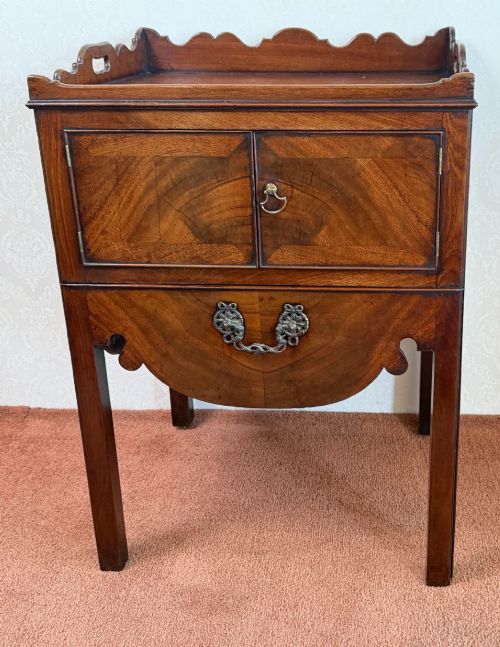
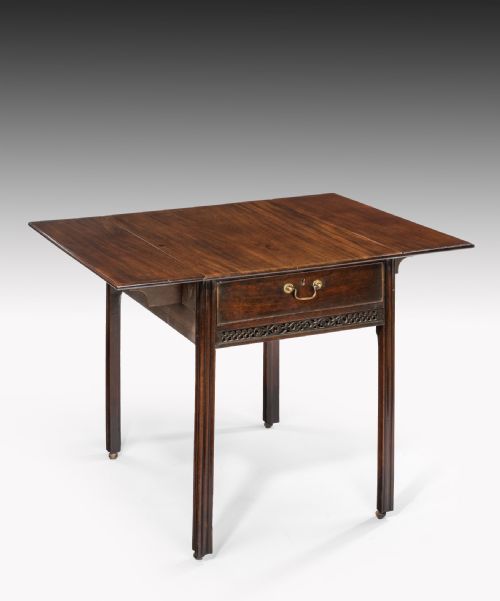

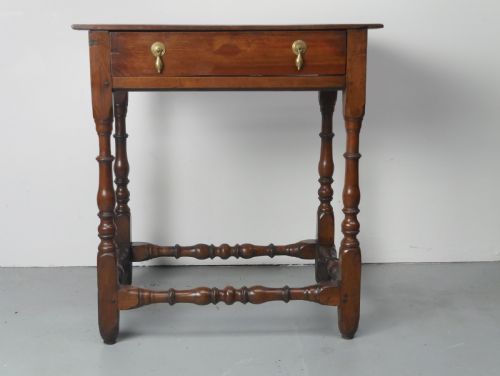


18th Century Wooden Nightstand
An 18th century wooden nightstand brings functional elegance to a bedroom, offering concealed storage and a sturdy surface beside the bed.
18th Century Wooden Nightstand
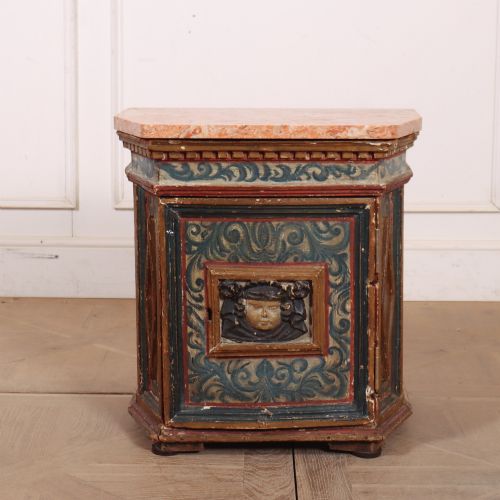
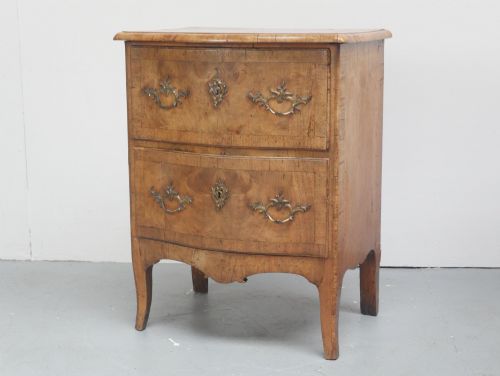
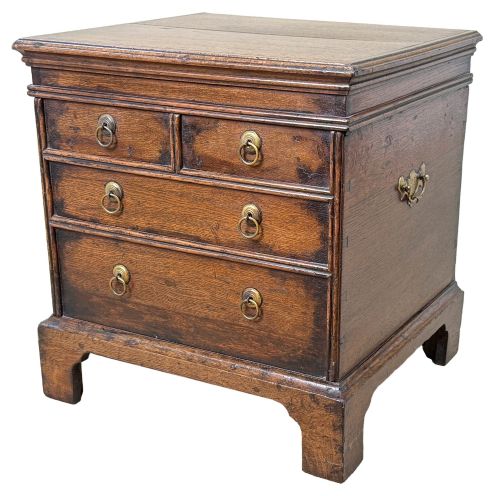
An 18th century wooden nightstand encompasses a variety of compact forms designed for personal use, ranging from enclosed bedside cupboards to open lamp tables and close stools disguised as small chests. These pieces emerge primarily from Georgian workshops, alongside examples in regional French, Italian, and Swedish traditions.
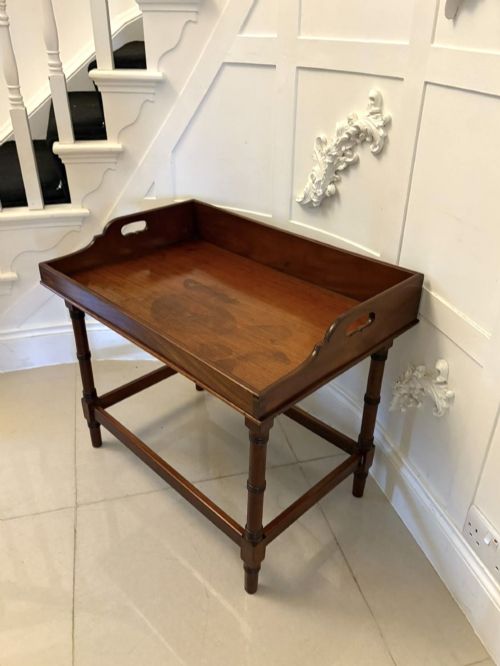
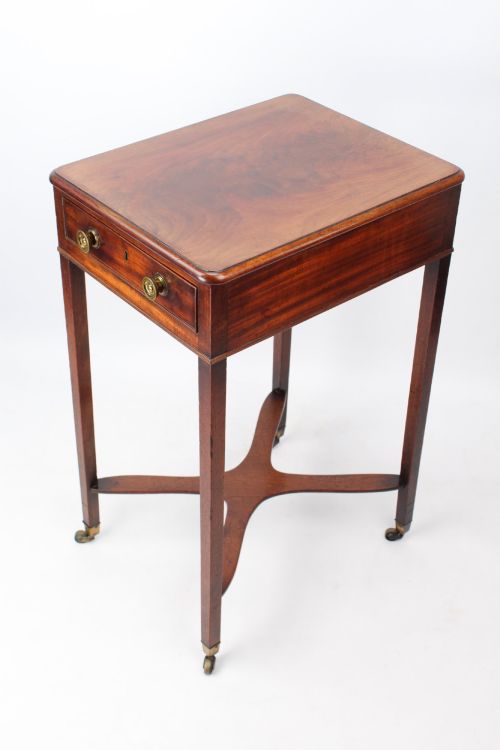
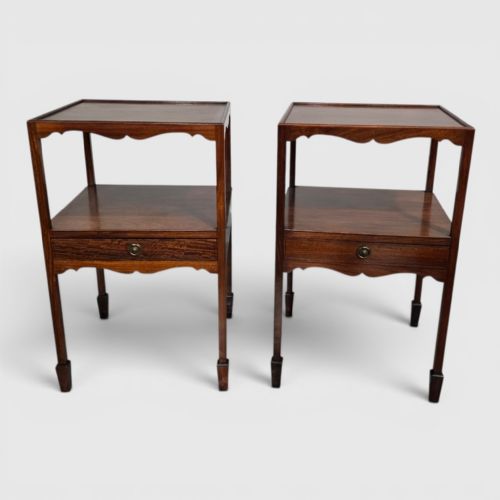
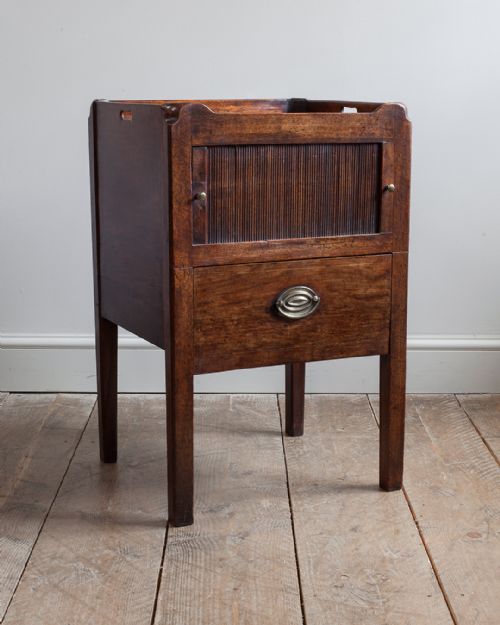
The buyer on this page will most frequently encounter mahogany bedside tables and tray top cabinets from the Georgian period, often featuring single drawers or cupboard doors. Alongside these, occasional tables, Pembroke tables, and washstands surface across the listings.
These items reflect the domestic habits of their era, serving specific functions such as housing chamber pots or holding bedroom lighting. Their survival demonstrates both utilitarian purpose and enduring cabinet-making skill.
Construction and materials
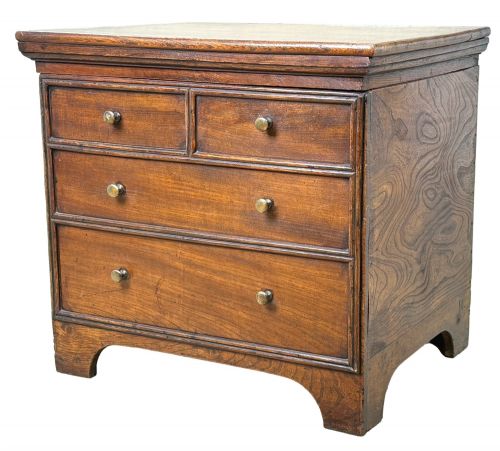
Cabinet-makers relied heavily on dense hardwoods such as mahogany, walnut, and oak, occasionally turning to fruitwood, elm, or plumwood for regional pieces. Timber selection dictated the strength of the frame and the depth of the grain visible on top surfaces.
Joinery methods included dovetail joints for drawers and pegged mortise and tenon frames to ensure stability under daily use. Surfaces were frequently finished with tray tops to contain items or enhanced with inlay and painted decoration.
Listings feature woods including mahogany, walnut, oak, fruitwood, and pine across the 18th century and Georgian periods.
Judging the quality
Quality rests upon the selection of timber and the precision of the joinery, particularly in the construction of drawer linings and internal compartments. Superior examples display carefully matched wood grain and robust structural integrity without excessive later alterations.
The refinement of hardware, such as original brass handles and escutcheons, distinguishes finer pieces from ordinary utility furniture. Proportion and subtlety of carved details further separate standard regional pieces from high-style urban commissions.
The 18th Century Wooden Nightstand Glossary
- Tray top
- A raised rim encircling the upper surface of a table or cabinet designed to prevent items from rolling off. This feature is common on bedside tables and commodes from the Georgian era.
- Close stool
- A piece of furniture enclosing a chamber pot, often disguised as a small chest or cabinet with a hinged seat. These items combine discreet utility with fine cabinet-making.
- Pembroke table
- A small table with hinged drop leaves on either side, supported by folding brackets or swinging legs. They frequently include a single drawer.
- Commode
- A low cabinet or chest of drawers, often featuring enclosed storage space behind doors or multiple drawer tiers. In 18th-century contexts, the term frequently overlaps with bedside furniture.
- Cupboard
- An enclosed piece of furniture designed for storage, accessed via hinged doors rather than drawers. These range from small pedestal cabinets to bedside units.
18th Century Wooden Nightstand: Frequently Asked Questions
How were these nightstands originally used?
These pieces served practical functions in bedrooms, holding candles, chamber pots, or washing basins during an era before plumbed bathrooms.
Over time, their roles shifted as domestic habits changed, turning them into convenient surfaces for lamps and bedside books.
How do I identify a Georgian piece?
Georgian furniture is characterised by balanced proportions, quality timber selection, and traditional joinery methods like hand-cut dovetails.
Stylistic cues often include elements associated with reigning monarchs or prominent designers of the 18th century.
Can I use an antique nightstand in a modern bedroom?
These compact tables fit easily beside contemporary beds, providing character and useful surface space.
Their varied woods and understated forms allow them to sit comfortably alongside modern interior fittings.