


18th Century Wings
These 18th century wings encompass substantial mahogany armchairs, oak lambing chairs, carved wooden angel sculptures, and porcelain figures.
18th Century Wings
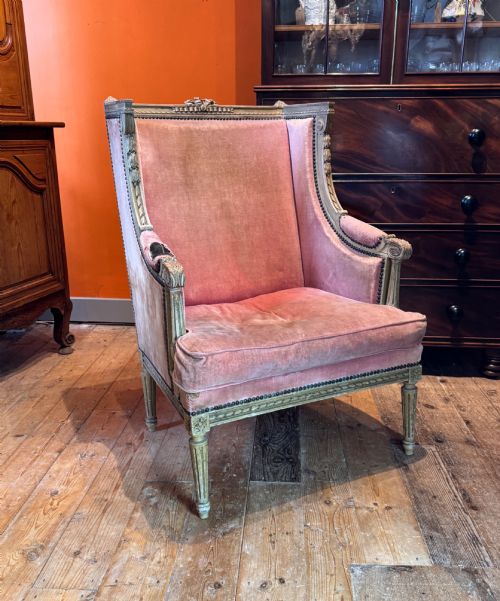
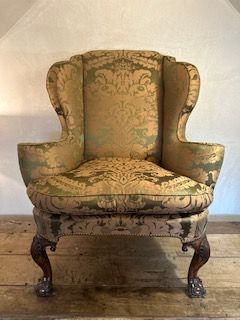
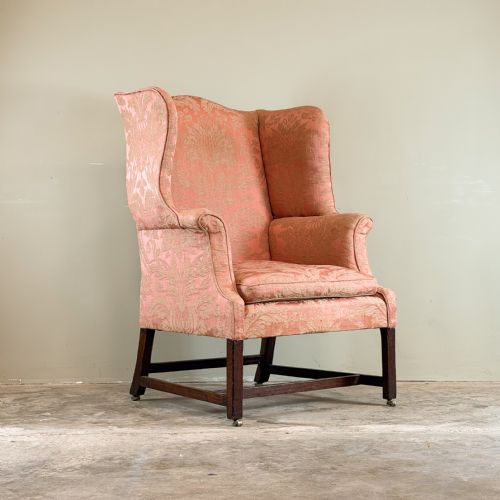
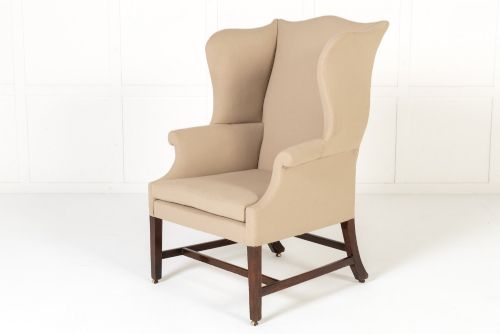
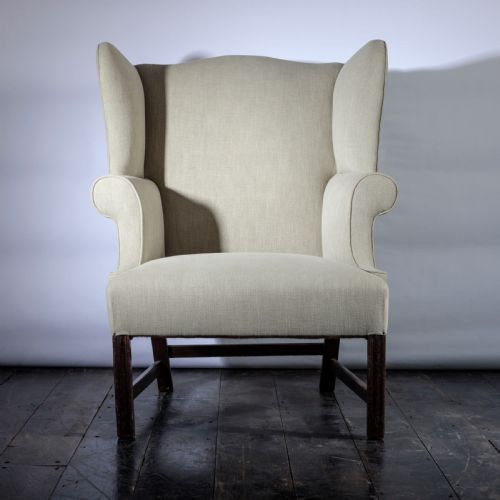
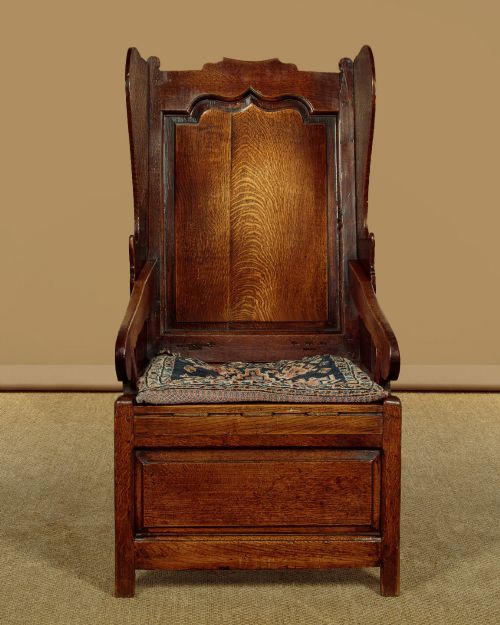
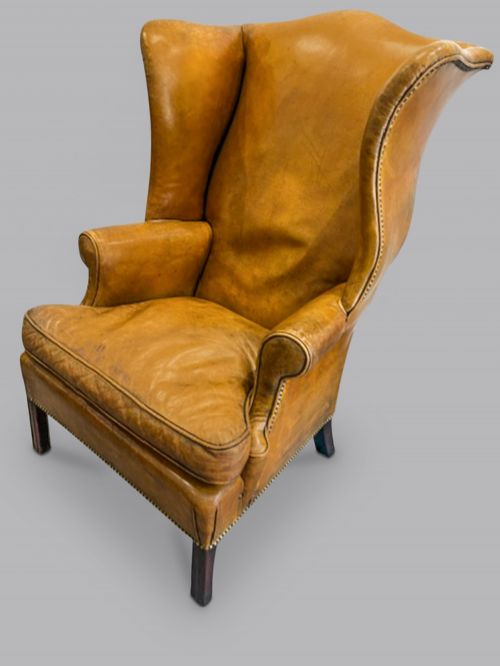
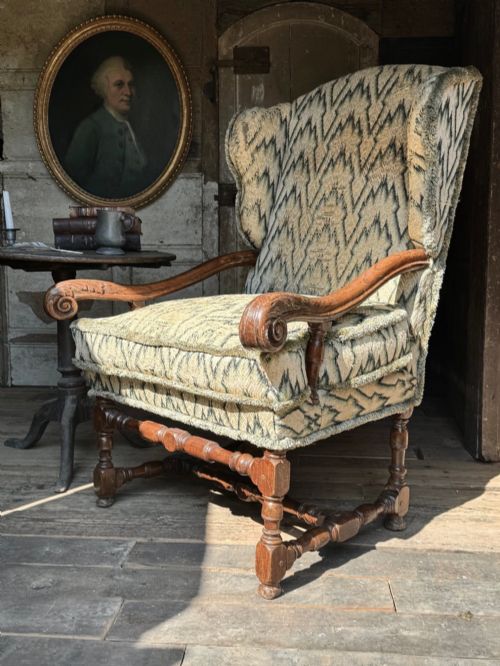
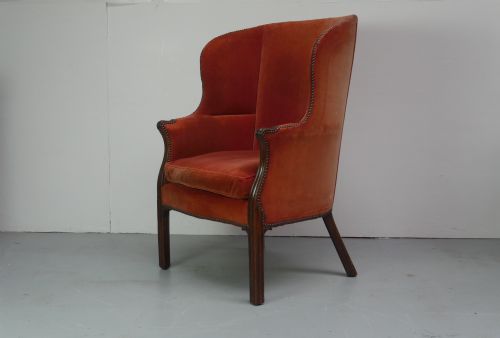
Buyers searching for 18th century wings encounter a diverse selection of seating, carved wall sculptures, porcelain figures, and graphic prints. The majority of pieces on this page are large scale wing armchairs and lambing chairs originating from the Georgian period.
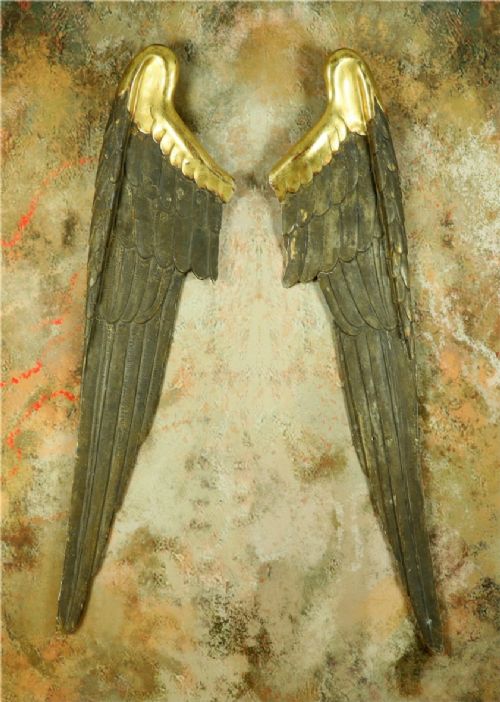
Seating forms range from walnut Queen Anne models to George III mahogany armchairs and oak vernacular settles. Alongside furniture, the category contains carved wood angel wings, gilt gesso wall sculptures, and porcelain figure groups depicting mythological subjects.
Origins span English, French, Italian, and German workshops, reflecting both domestic vernacular traditions and refined continental styling. Pieces date predominantly from the eighteenth century, with occasional nineteenth century interpretations carrying earlier forms.
Materials and construction
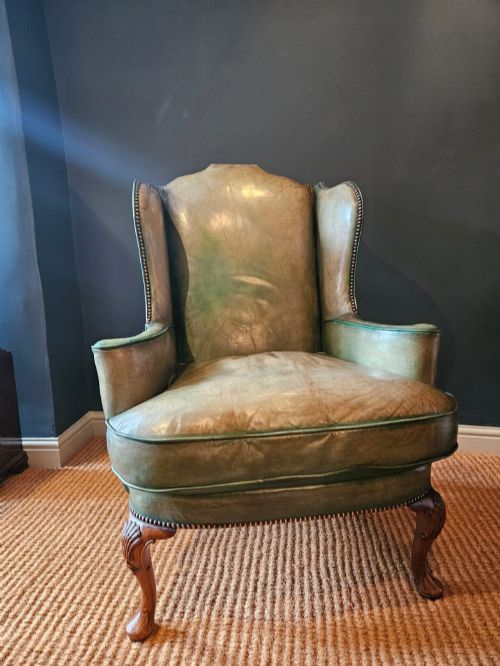
Carpenters and cabinet makers utilised dense native and imported timbers, primarily mahogany, oak, walnut, and carved wood, to build the heavy frames of these armchairs and settles. Joinery techniques included pegged mortise and tenon joints for oak vernacular pieces and sophisticated cabriole leg framing for mahogany seating.
Upholstery materials recorded in the evidence include leather, velvet, fabric, damask, and original linen, applied over padded interior wings designed to shield sitters from draughts. Decorative surfaces employ original paint finishes, carved gesso, and detailed wood carving executed in the Irish manner or French baroque and rococo styles.
Ceramic figures and wall sculptures demonstrate delicate modelling in porcelain and carved gilt wood, often depicting cherubs, angels, or allegorical figures with outstretched wings.
Listings feature woods such as mahogany, oak, walnut, and brass alongside upholstery in leather, velvet, damask, and fabric.
Judging the work
Quality rests upon the crispness of the timber carving, the integrity of the structural frame, and the survival of original upholstery materials or surfaces. Early walnut and mahogany armchairs derive their distinction from well proportioned cabriole legs, deep upholstered wings, and untouched patination on the wood.
Vernacular oak pieces depend for their merit on honest construction, sound panel work, and regional character, particularly in lambing chairs and barrel settles. Porcelain sculptures and carved wooden angel wings succeed through fine detail in the modelling and the preservation of original gilt or gesso finishes.
The 18th Century Wings Glossary
- Wing chair
- An armchair featuring upholstered sides or wings attached to the back, originally designed to keep the sitter's head and torso warm by blocking draughts.
- Cabriole leg
- A furniture leg that bends outward in a convex curve at the knee and tapers inward in a concave curve toward the foot, typical of eighteenth century design.
- Gesso
- A plaster mixture applied to wood or other surfaces as a base for gilding or painting, seen on carved decorative angel wings.
- Barrel settle
- A high backed wooden bench with an enclosed curved back and sides designed to retain heat in large halls and parlours.
18th Century Wings: Frequently Asked Questions
What is an 18th century wing chair?
A wing chair is an upholstered armchair featuring characteristic side panels designed to shield the occupant from draughts and retain fireplace heat. Eighteenth century examples utilise sturdy mahogany, walnut, or oak frames.
These chairs often feature cabriole legs and deep seating, combining functional comfort with the prevailing Georgian or vernacular styles of the period.
How were lambing chairs used?
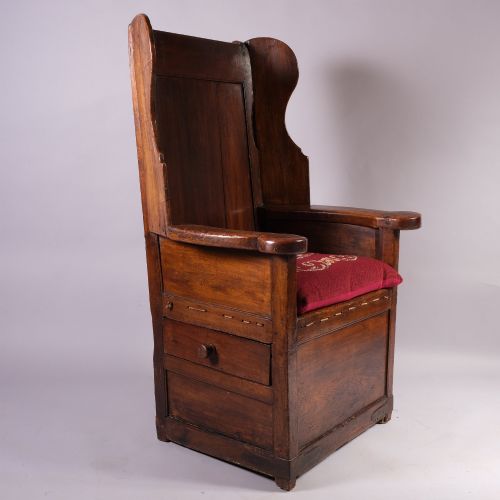
Lambing chairs served as functional seating in farmhouses and cottages, constructed entirely from solid oak with high backs and enclosed sides. Their design protected shepherds and inhabitants from cold farmhouse draughts.
Many examples include built-in storage boxes beneath the seat for keeping tending equipment or small items close at hand.
Are all these pieces furniture?
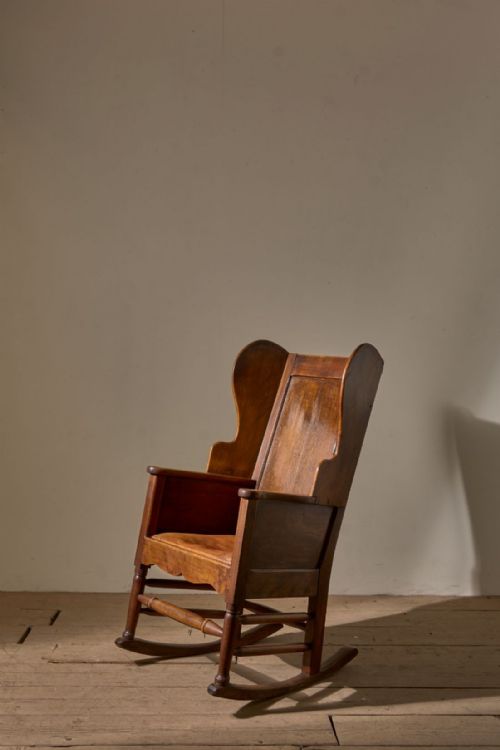
While the majority of listings comprise armchairs, rocking chairs, and settles, the category also includes decorative items. These feature carved wood angel wings, wall sculptures, and porcelain figures.
Objects such as Meissen or Derby porcelain groups depict mythological subjects, including cherubs and figures with wings, alongside antique engravings and lecterns.
How do I identify a George III wing chair?
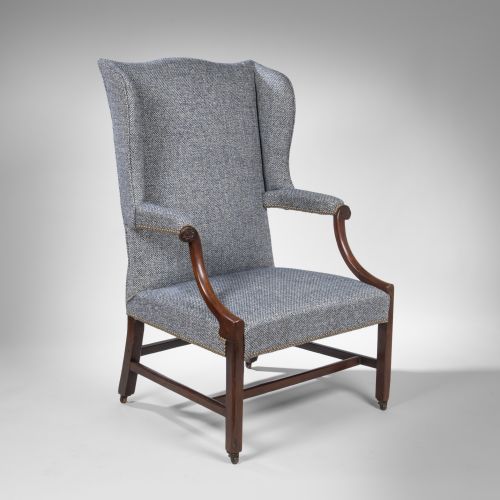
George III wing chairs typically display mahogany frames with straight or cabriole legs, upholstered in leather, damask, or fabric. The proportions are often generous, reflecting the refined tastes of the late eighteenth century.
Detailing may include fine carved mahogany woodwork and supportive wing structures built for the library or drawing room.