


18th Century Windsor
An 18th century windsor chair brings tactile country craftsmanship and sculptural wooden form into a room.
18th Century Windsor
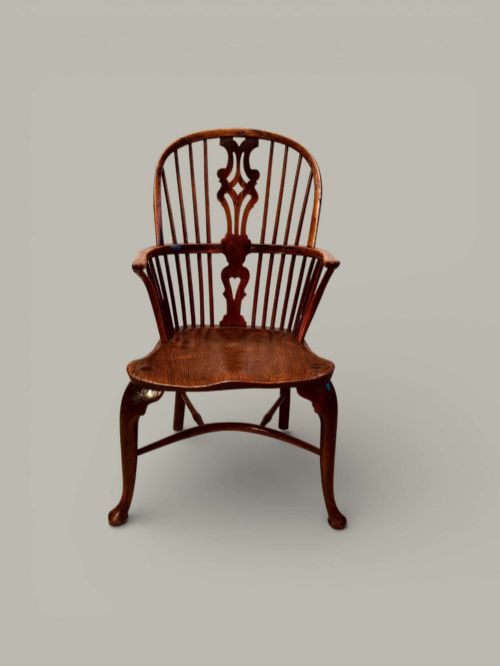
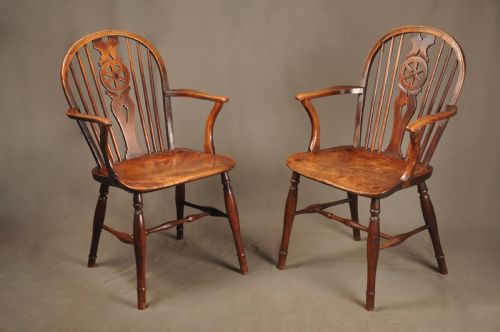
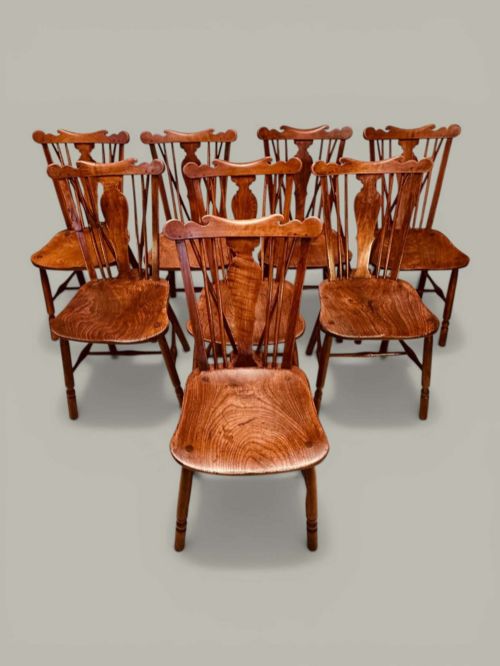
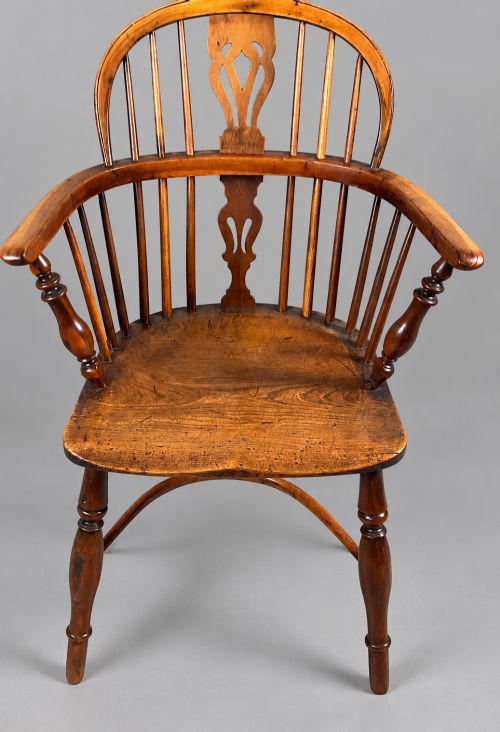
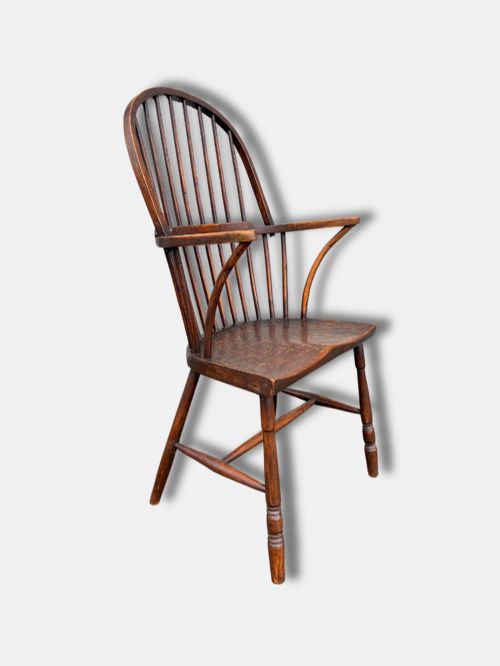
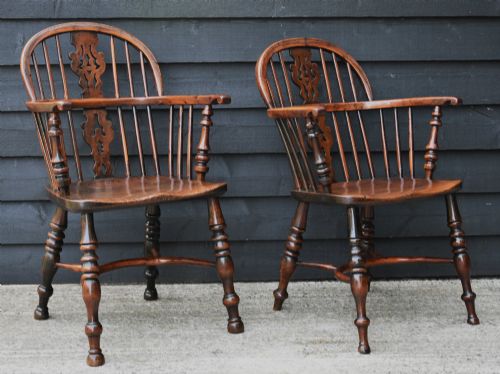
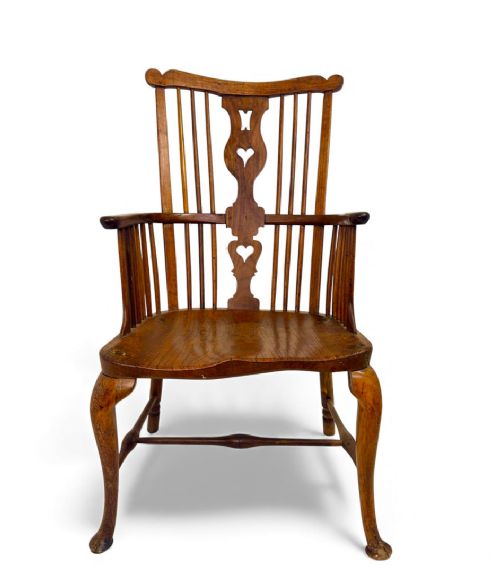
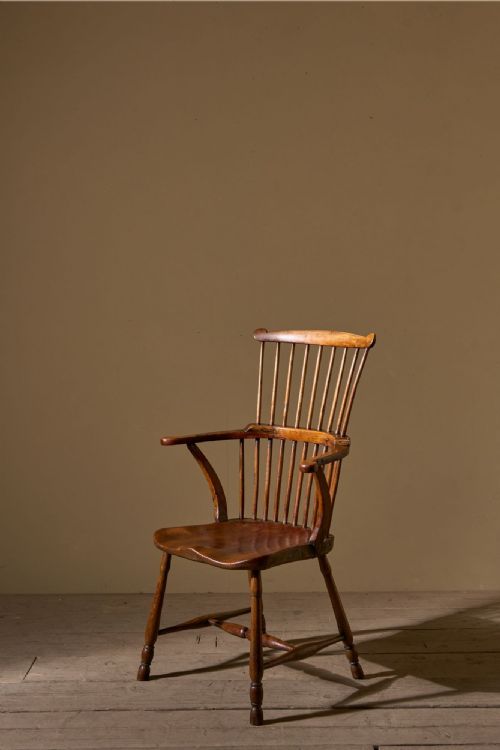
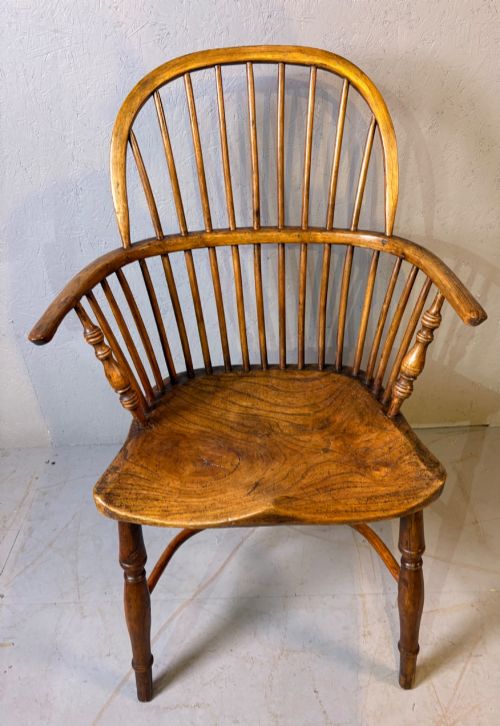
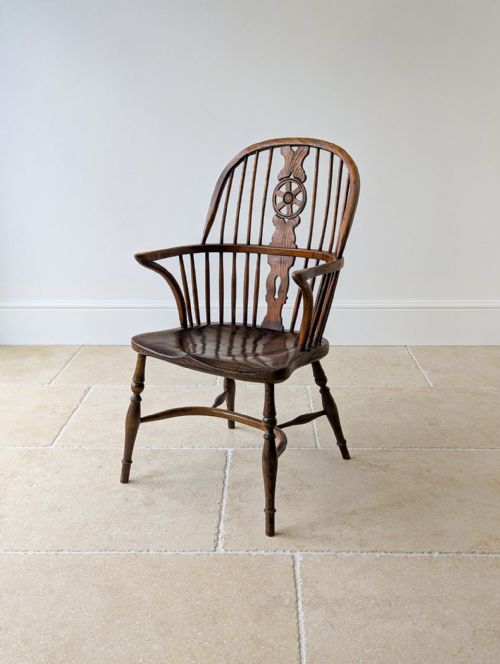
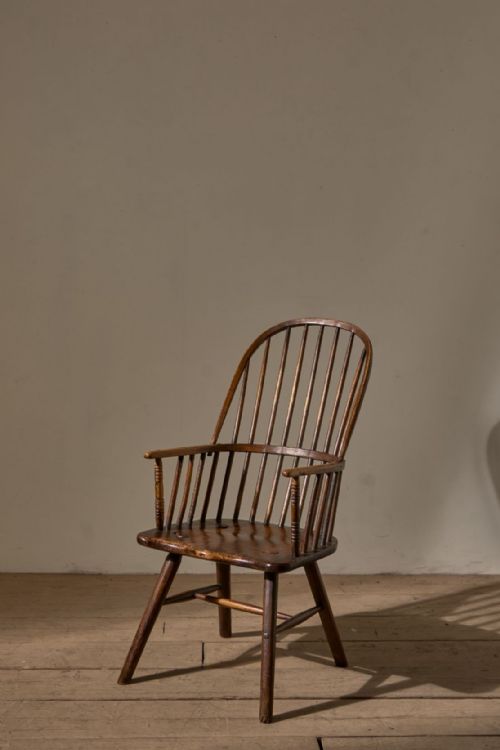
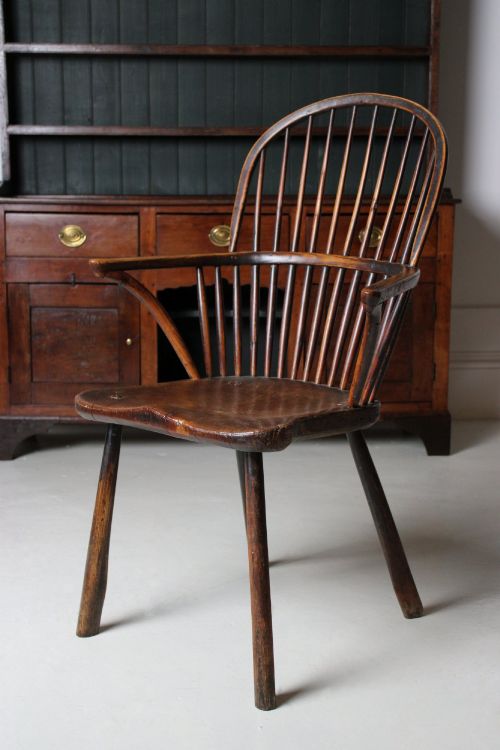
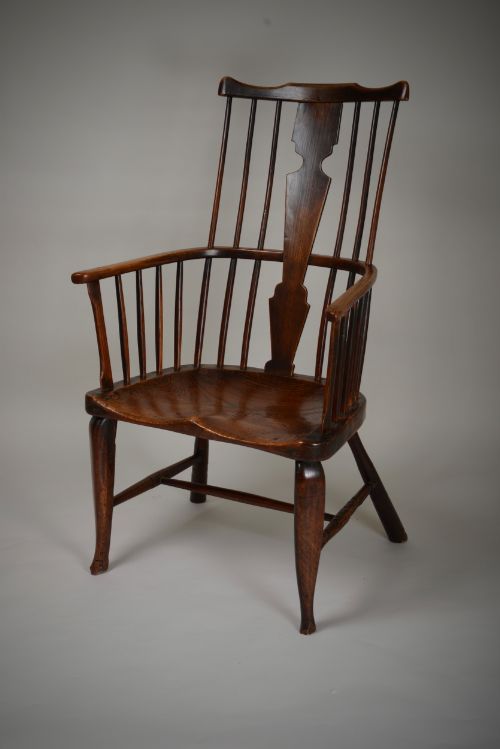
When you search for 18th century windsor, you are looking at country seating built with a solid wooden saddle seat into which separate legs and back spindles are wedged. The forms span hoop backs, comb backs, low backs, and panel backs originating from regional English workshops.
You will frequently meet armchairs and side chairs constructed from mixed native timbers such as ash, elm, and yew. These pieces reflect regional vernacular traditions ranging from the Thames Valley to Welsh workshops.
Timbers and Construction Methods
Maker construction relies on combining woods with distinct properties, pairing elm for durable, split-resistant seats with ash or yew for steam-bent hoops, arms, and slender spindles. Fruitwood, beech, oak, and cherrywood also appear across regional examples.
The traditional method involves boring holes directly into a thick wooden seat slab to receive the undercarriage legs and back uprights, creating a sturdy joint secured by wedges.
18th Century Windsor Retail Price Guide 2026
Typical asking prices for 18th century windsor among the pieces listed under this phrase on Sellingantiques today, from the lower quarter to the upper quarter. They describe what is for sale here now, not the wider market.
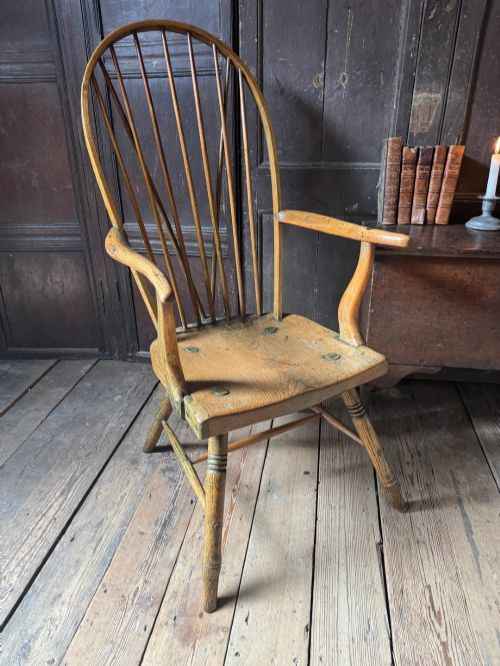
One child's stick back Windsor chair survives from around 1790, proving small people needed proper country seating too.
Assessing Craft and Character
Quality separates in the elegance of the spindle turnings, the depth and sculpting of the saddle seat, and the harmony of the mixed timbers. Superior examples display balanced proportions in the bentwood hoop and crisp definition in the joinery.
Evidence of original surfaces, such as early brown paint or mellow patination on yew and elm, distinguishes untouched historic examples from heavily restored ones.
John Brand of Sleaford·Rockley Maker
The 18th Century Windsor Glossary
- Comb back
- A Windsor chair variant where the back spindles rise to meet a horizontal top rail resembling the teeth of a comb.
- Hoop back
- A continuous steam-bent piece of wood forming the backrest and armrail of the chair.
- Saddle seat
- A thick wooden seat base carved into a concave shape for seating comfort.
- Thames Valley
- A regional English style known for refined yew wood construction and decorative wheelback or comb back designs.
- Vernacular
- Objects made by local craftsmen following regional traditions rather than strict academic design patterns.
18th Century Windsor: Frequently Asked Questions
How do I identify a Thames Valley Windsor?
Thames Valley examples often incorporate yew wood and feature refined architectural details.
These pieces typically originate from workshops around the Thames river region.
Why are different woods used in one chair?
Maker traditions combined timbers based on their physical characteristics.
Elm was chosen for seats because it resists splitting, while ash and yew provided flexible strength for steam-bent spindles.
How should I live with an antique Windsor chair?
These wooden chairs suit daily use around dining tables or as standalone armchairs.
Keep them away from direct heat sources to protect the historic timber and original dry surfaces.