
18th Century Vanity
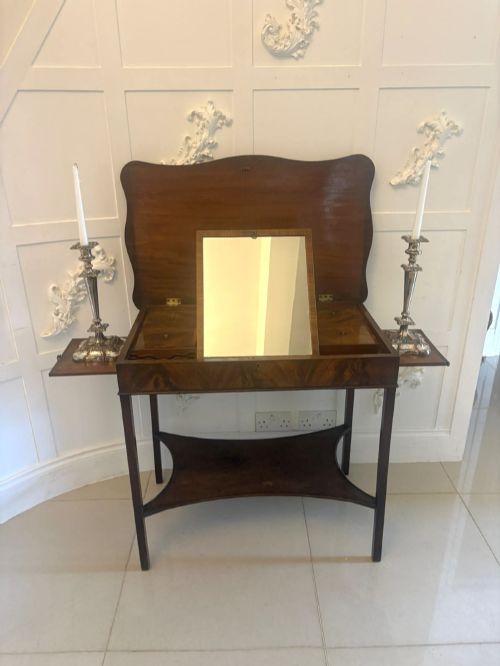
These walnut and mahogany 18th century vanity furnishings range from compact dressing mirrors to folding tables, offering functional elegance for period interiors.
18th Century Vanity
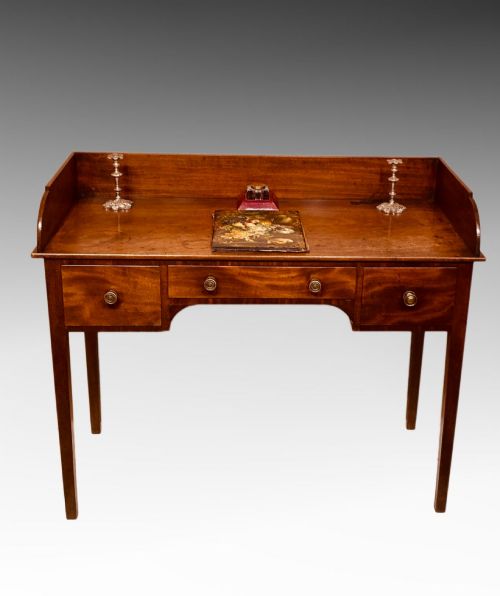
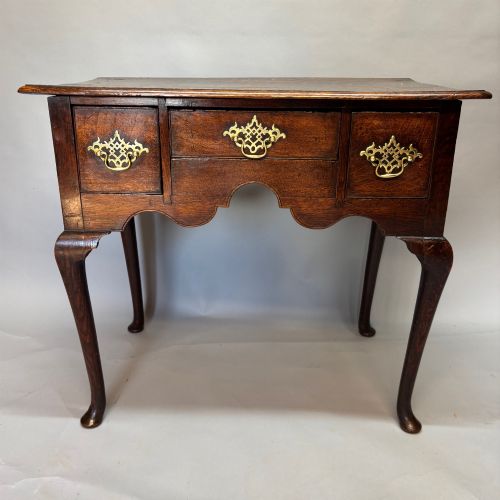
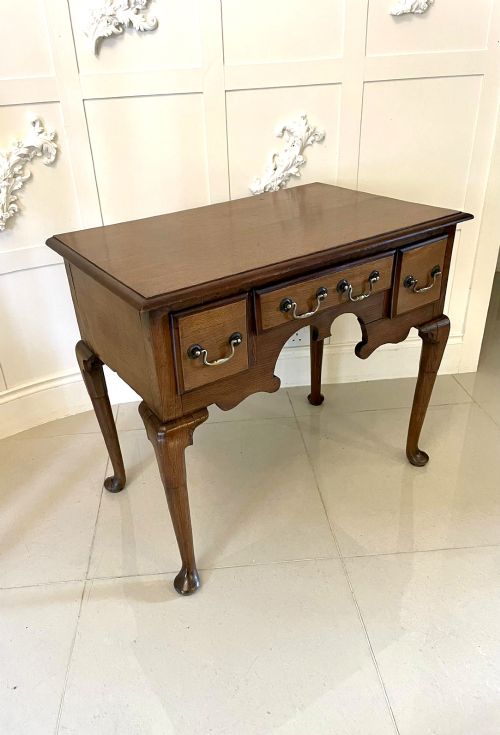
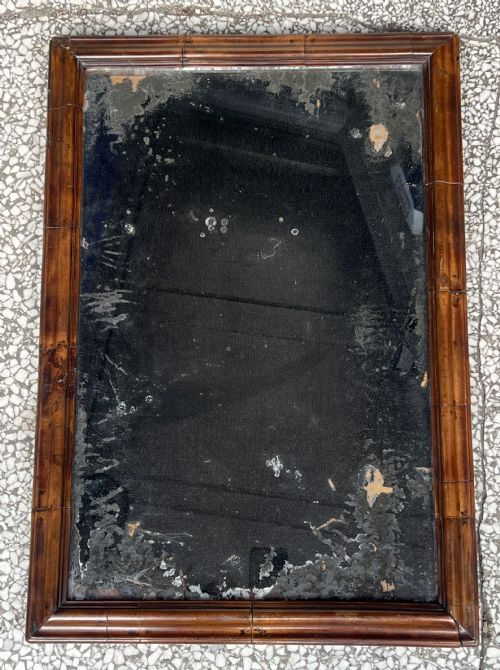
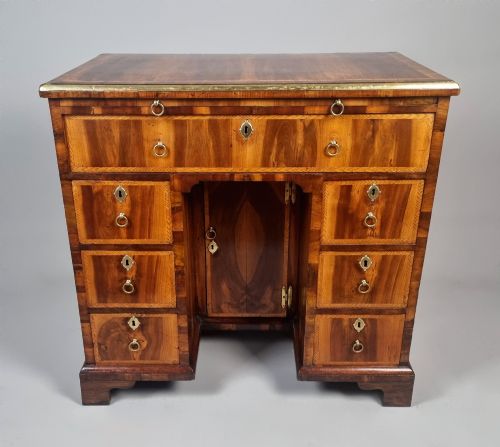
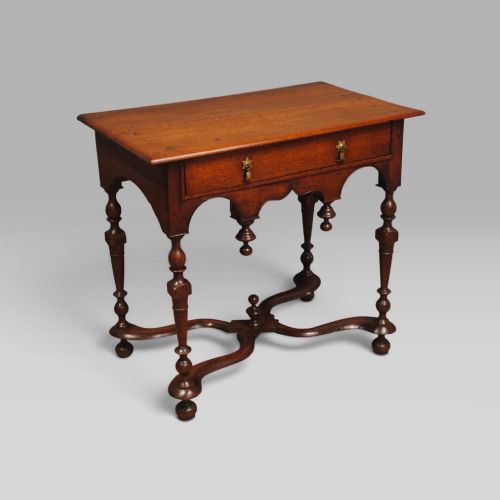
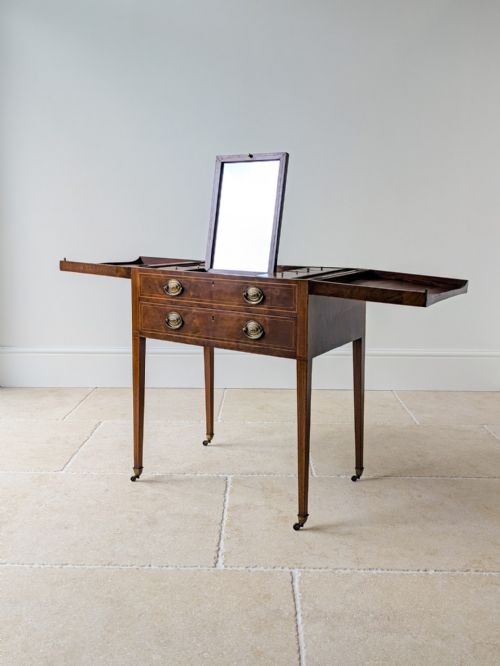
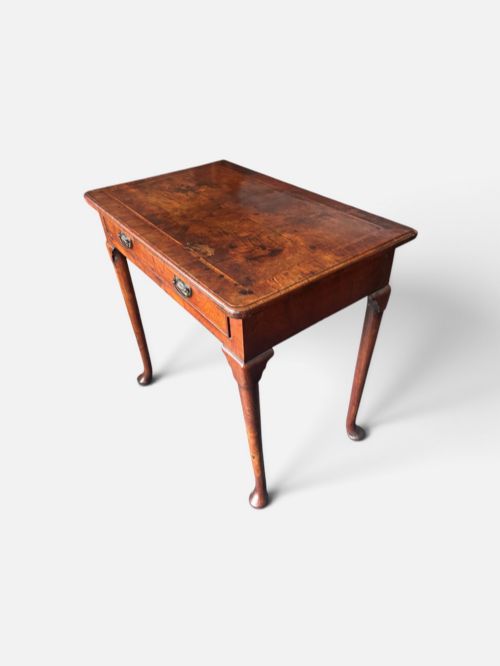
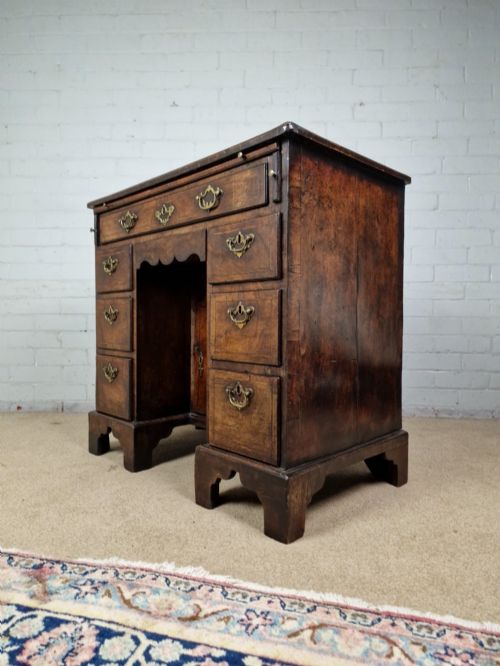
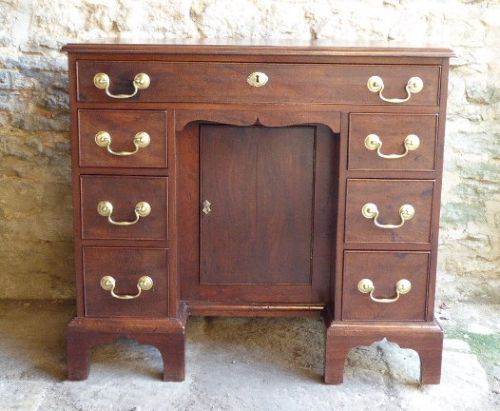
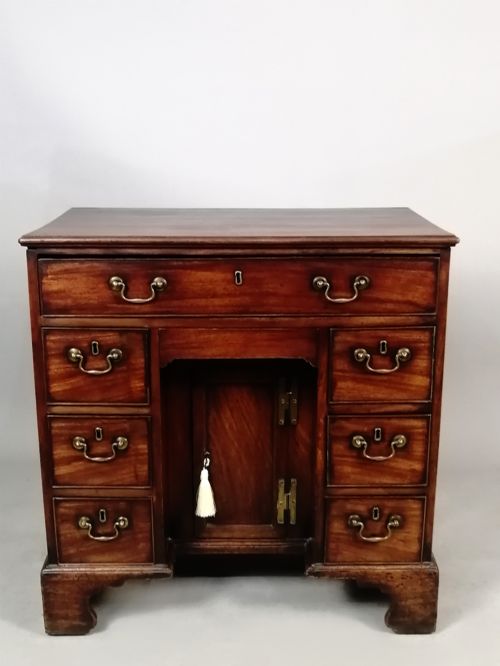
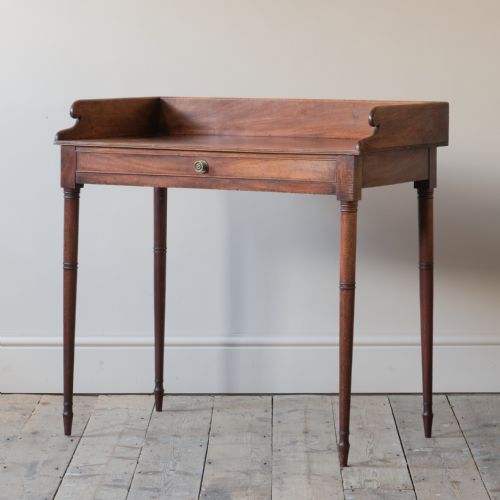
When you search for 18th century vanity, you encounter an array of specialised furniture designed for personal grooming, writing, and storage. The most common forms on this page include mahogany and walnut dressing tables, lowboys, kneehole desks, and tabletop toilet mirrors from the Georgian and Queen Anne periods.
These items served distinct domestic purposes in bedchambers and dressing rooms during the seventeen-hundreds. Lowboys and folding dressing tables provided surface space and concealed compartments, while adjustable mirrors sat atop chests or dedicated stands to assist with daily attire.
Materials and construction
Cabinetmakers of this era relied heavily on rich timbers such as mahogany, walnut, and satinwood, frequently enhancing surfaces with herringbone inlay, crossbanding, and figured veneers. Structural elements often incorporated secondary woods like oak, whilst brass handles and hinges provided durable hardware for drawers and folding mechanisms.
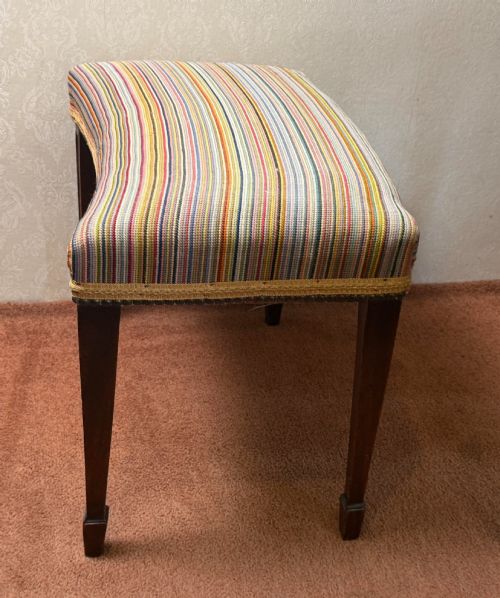
Joinery techniques demanded precision, seen in dovetailed drawer construction and finely turned or tapering legs characteristic of the George I, George II, and George III reigns. Gilding and carved wood details, such as fret-cut frames, decorated mirrors and tables destined for affluent households.
A solitary Ho-ho bird gazes eternally from a fret-cut mirror frame, supervising centuries of morning routines.
Quality variations
The 18th Century Vanity Glossary
- Lowboy
- A small side table with drawers, typically resting on four legs, frequently used as a dressing table or writing desk during the eighteenth century.
- Toilet mirror
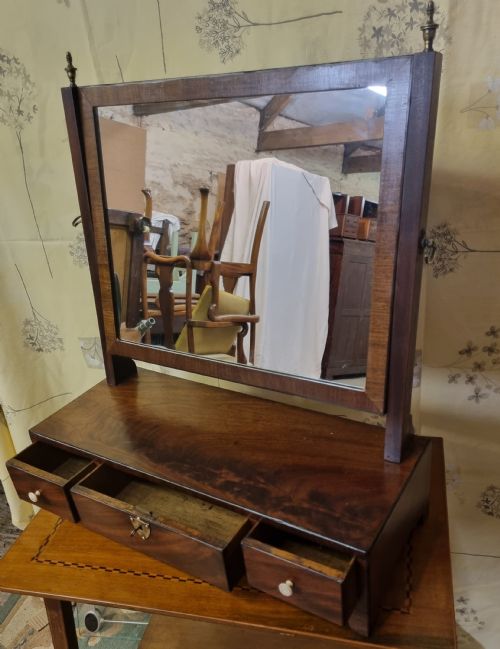
- A tabletop dressing mirror mounted on a swinging frame supported by a small drawer base.
- Kneehole desk
- A compact desk or dressing table featuring a central recess for the user's knees, flanked by pedestals of small drawers.
- Crossbanding
- A decorative border of veneer laid around the edges of a tabletop or drawer front so that the grain runs perpendicular to the main surface.
- Fret-cut
- Wood shaped with a fretsaw into openwork decorative patterns, commonly seen on the crests of Georgian wall and dressing mirrors.
18th Century Vanity: Frequently Asked Questions
What is an 18th century lowboy?
A lowboy is a small table equipped with one or more rows of drawers beneath the surface. In eighteenth-century homes, these versatile pieces functioned primarily as dressing tables or compact writing desks.
They typically stood against bedroom or parlour walls, offering convenient concealed storage for personal items while maintaining a light, elegant profile.
How do I use a toilet mirror?
Toilet mirrors are designed to sit securely on top of a chest of drawers, sideboard, or dedicated dressing table. The pivoting glass frame tilts to adjust the angle for the user.
The small drawers incorporated into the base structure hold jewellery, cosmetics, and small personal accessories.
How do I identify a George III piece?
George III furniture, produced between seventeen sixty and eighteen twenty, often displays refined classical proportions and straight tapering legs. Makers frequently utilised mahogany and incorporated satinwood inlay.
Cabinetwork from this reign tends to exhibit neoclassical influences, moving away from heavier curves towards cleaner architectural lines and balanced symmetry.
What is a kneehole desk used for?
Kneehole desks provided a dedicated private space for correspondence, account management, and personal grooming. The central kneehole allowed the user to sit comfortably while drawers on either side stored documents and utensils.
These pieces often doubled as vanity desks in fashionable eighteenth-century bedchambers.