



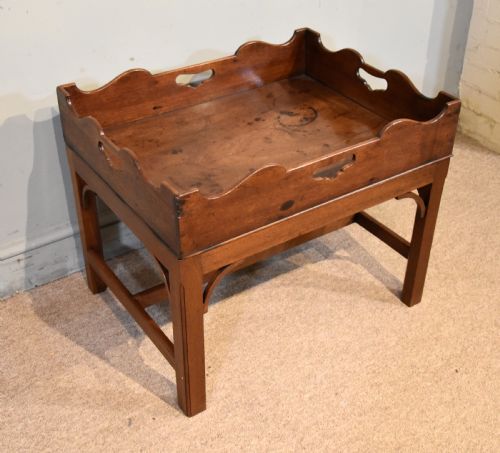

18th Century Tray Stand
An 18th century tray stand offers a practical surface for serving or display, combining rigid timber frames with portable trays.
18th Century Tray Stand
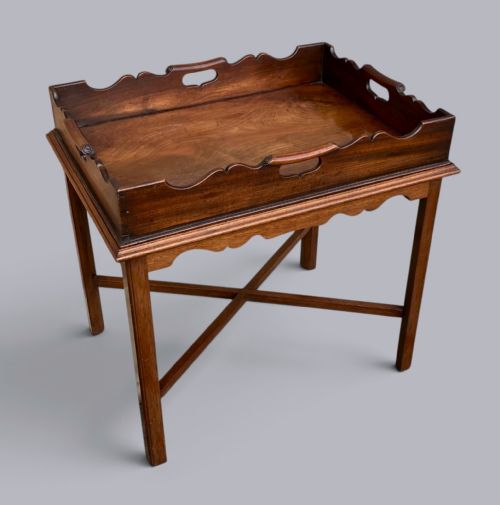
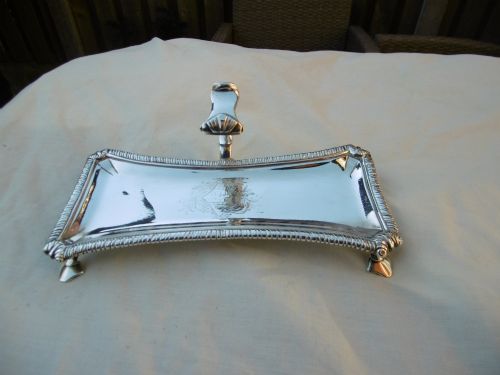
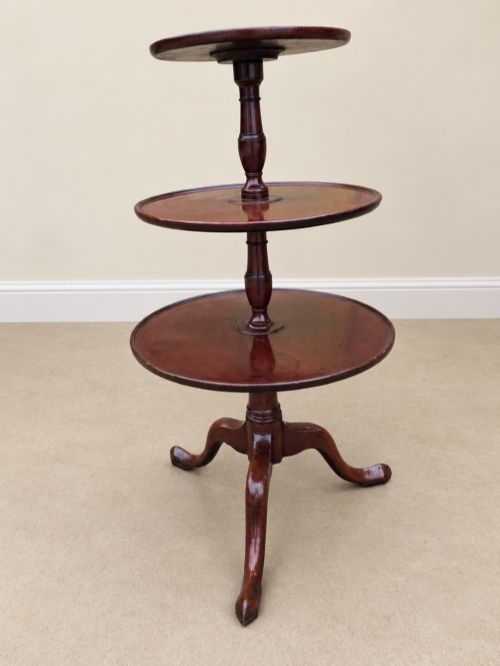
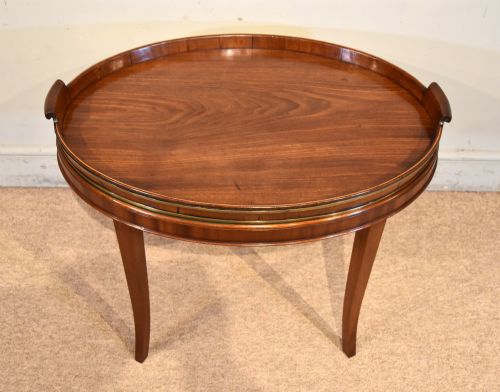
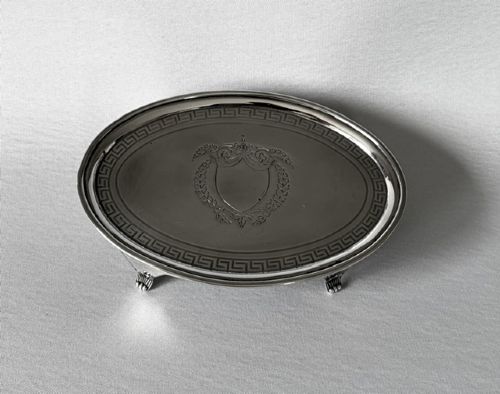
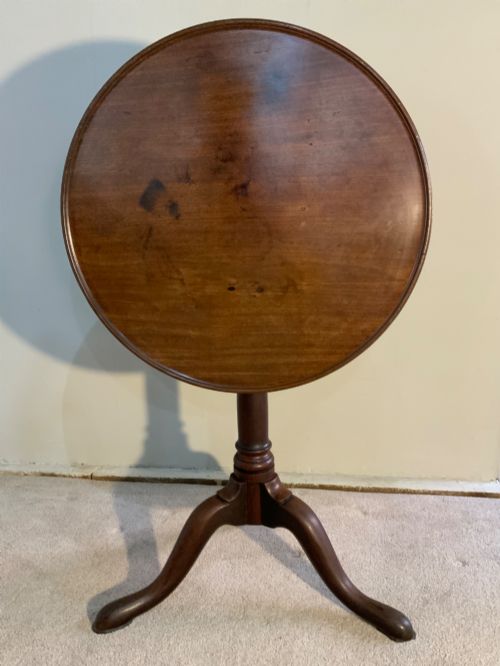
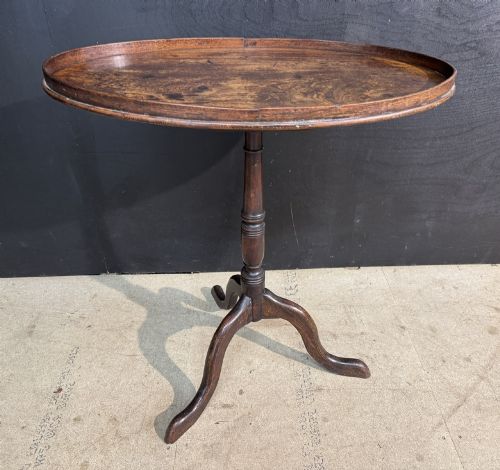
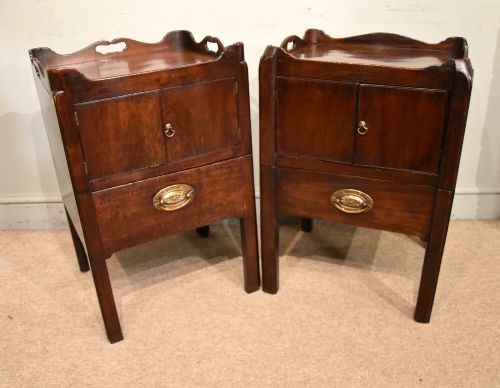
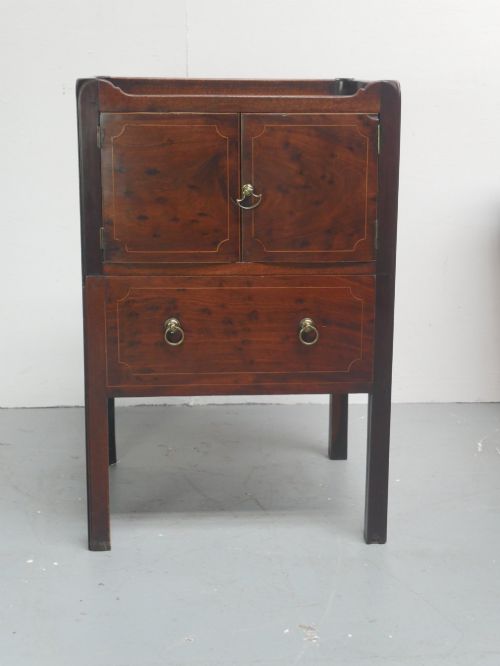
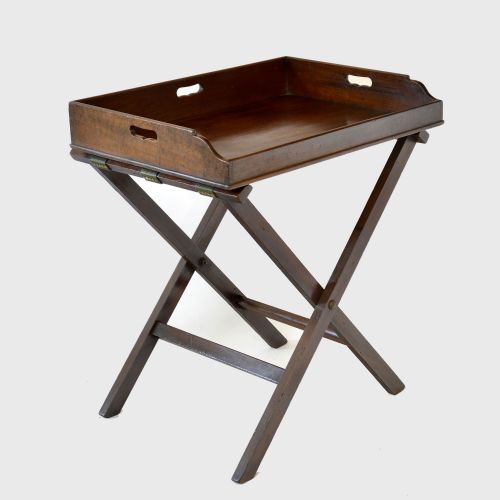
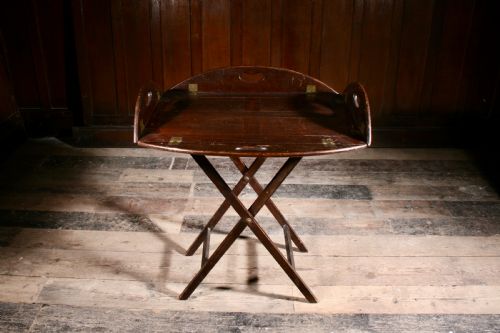
When searching for an 18th century tray stand, you encounter pieces designed to hold removable serving trays or built with fixed tray-style tops. The selection here leans heavily towards Georgian mahogany butler's trays on folding or fixed stands, alongside occasional bedside tables, nightstands, and dumb waiters.
These items originate primarily from the Georgian and 18th century periods, executed in forms ranging from tripod tables to multi-tiered serving furniture. The domestic interiors of the period utilised these stands for holding silver, serving tea, or managing evening lighting in reception rooms.
Buyers frequently meet mahogany examples featuring raised gallery edges, side handholds, and folding X-frame or four-legged supports. Variations include tilt-top mechanisms, brass fittings, and occasional satinwood inlay.
How they were made
Cabinet makers constructed these pieces predominantly using solid and veneered mahogany, often selecting Cuban mahogany for its density and grain figure. Joinery relied on traditional techniques such as mortise and tenon frames, dovetailed drawer boxes, and turned pillar supports.
Surfaces were finished with hand-applied polish, whilst galleries were shaped from solid timber or assembled with delicate pierced fretwork. Brass hinges, handles, and casters provided functional articulation for folding stands and multi-tiered dumb waiters.
18th Century Tray Stand Retail Price Guide 2026
Typical asking prices for 18th century tray stand among the pieces listed under this phrase on Sellingantiques today, from the lower quarter to the upper quarter. They describe what is for sale here now, not the wider market.
The documented forms span simple candle stands and nightstands to elaborate three-tiered dumb waiters and inkstands.
What varies in quality
Quality in these items rests upon the crispness of the timber carving, the integrity of the original surfaces, and the harmony between the tray and its support. Superior examples retain their original stands with matching patination, whereas lesser or assembled pieces show mismatched timbers and replaced structural elements.
The refinement of the gallery edging, the weight and choice of the mahogany grain, and the subtlety of turned pillars or brass hardware distinguish standard domestic items from pieces produced by skilled workshops.
Henry Clay·Peter and Anne Bateman
The 18th Century Tray Stand Glossary
- Butler's tray
- A portable rectangular or oval wooden tray with hinged or fixed gallery sides, designed to lift off a folding or rigid support frame. These trays usually feature hand-cut grips for carrying.
- Dumb waiter
- A multi-tiered freestanding serving stand featuring graduated circular trays mounted on a central column with tripod legs. They held dishes and tableware during dining rooms service.
- Tilt-top
- A tabletop mechanism allowing the surface to pivot horizontally and lock vertically when stored against a wall. This mechanism uses a birdcage or catch mechanism above the pillar.
- Gallery
- A raised wooden border surrounding the perimeter of a tray or table top to prevent items from sliding off. Galleries can be solid, pierced, or shaped from a single board.
- Night stand
- A small enclosed bedside cabinet or table used to hold chamber items or lighting during the Georgian era. They often incorporate cupboards, shelves, or pull-out slides.
18th Century Tray Stand: Frequently Asked Questions
What is an 18th century tray stand used for?
These pieces served practical domestic functions, holding tea services, silver, or lighting in principal rooms. In modern interiors, they serve as versatile side tables or display surfaces.
Their portable trays and compact stands allow them to fit easily beside seating or beds while providing raised edges to secure items.
How do I identify a genuine period tray stand?
Examine the timber species, construction joints, and the relationship between the tray and the base. Period pieces typically display dense mahogany, hand-cut dovetails, and consistent patination across both components.
Check for evidence of hand-tooling on the underside and ensure the framing aligns with Georgian cabinet-making conventions.
Are the trays removable on these stands?
Many examples feature a loose tray that lifts directly off a folding or rigid X-frame base. Other variations integrate the tray top permanently into a tilt-top or fixed pedestal table structure.
Review the specific form to determine whether the upper section was designed to be lifted away from its support.
What woods were used for these stands?
Mahogany is the primary timber found in these listings, including dense Cuban mahogany variants known for their rich grain and weight. Occasional pieces incorporate satinwood for inlay or feature alternative woods like oak for underlying structural frames.
Finishes relied on traditional polishing methods that enhanced the natural colour and figure of the hardwood.