




18th Century Sword
An 18th century sword carries the weight of global conflicts, craftsmanship, and personal combat from a turbulent era.
18th Century Sword
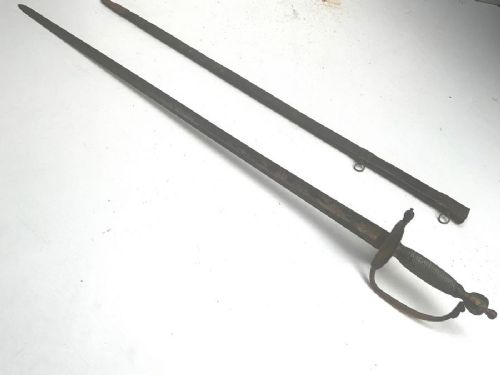
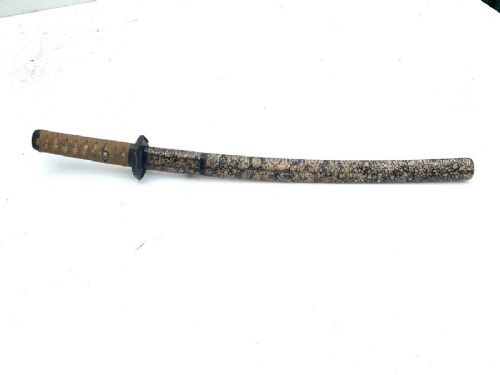
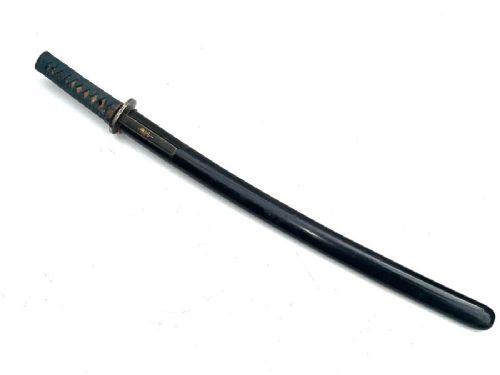
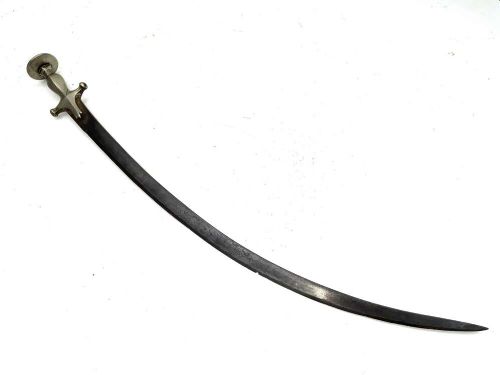
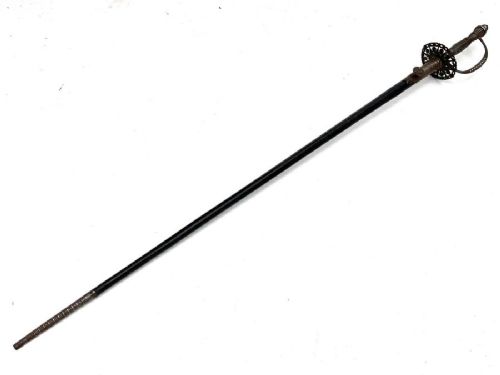
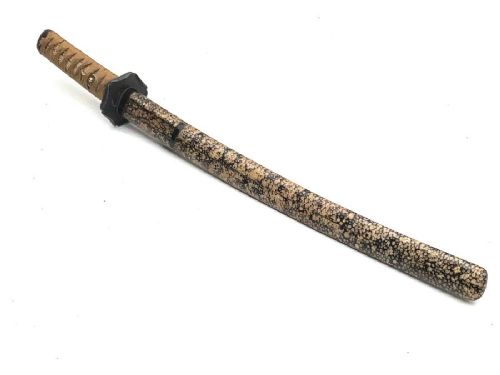
An 18th century sword brings together edged weapons, protective guards, and storage chests designed for blades of the period. Buyers examining this category encounter European military spadroons and smallswords alongside Japanese samurai swords, wakizashi, and Indo-Persian tulwars.
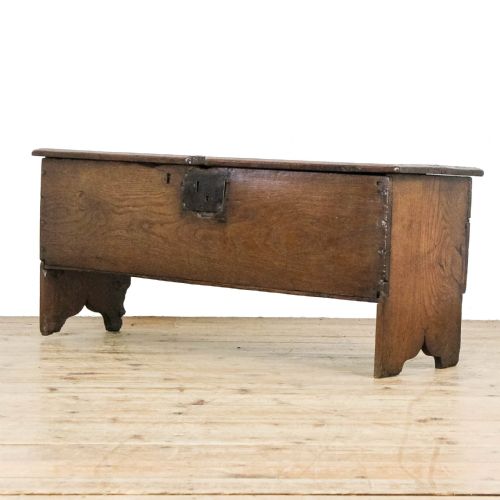
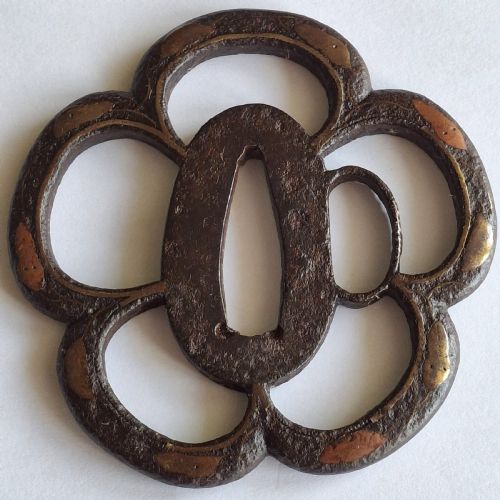
The selection frequently includes practical storage pieces such as oak and elm sword chests or coffers alongside edged weapons. Japanese examples range from complete samurai swords to individual iron tsuba guards inlaid with copper.
Geographic origins span Britain, continental Europe, Japan, and North India, reflecting varied military and cultural requirements. Pieces like the Royal Navy boarding cutlass demonstrate the utilitarian nature of naval sidearms from the era.
Materials and Construction
Blades and guards utilise forged steel, iron, and cast or chased silver, often paired with wooden grips and scabbards. Leather, ray skin, and lacquer appear on Japanese sword handles and scabbards, providing durable grip and protection.
Hagakure and European smithing techniques combined folded metals, bluing, and gilding to decorate formal and combat weapons. Storage coffers were constructed from solid oak, elm, walnut, and pine using traditional plank and panel joinery.
Listings feature British, French, Japanese, and Indo-Persian edged weapons alongside oak and elm storage coffers from the eighteenth century.
Quality Variations
Distinctions in quality rest upon the crispness of blade engraving, the retention of original blue and gilt finishes, and the integrity of silver or iron hilt decoration. Period conversions and alterations, such as smallswords adapted into short swords, alter the historical homogeneity of an artefact.
The condition of organic elements like ray skin, leather wraps, and wooden scabbards dictates desirability among collectors. For storage pieces, the patination of native oak or elm boards and the survival of original iron hardware determine the grade of the coffer.
Mole
The 18th Century Sword Glossary
- Spadroon
- A lightweight military sword featuring a straight single or double-edged blade designed for both cutting and thrusting. It saw widespread use among British infantry and naval officers during the Georgian period.
- Smallsword
- A light, slender court sword designed primarily for thrusting, typically featuring a highly decorative silver or brass hilt. These weapons became fashionable civilian accessories and duelling arms across Europe.
- Tsuba
- The traditional guard mounted at the base of the blade on Japanese swords such as the katana and wakizashi. They are frequently forged from iron and embellished with metals like copper inlay.
- Coffer
- A large wooden chest with a hinged lid utilised for secure storage of valuables, textiles, and edged weapons. Six-plank examples constructed from solid oak or elm are particularly associated with military storage.
- Wakizashi
- A traditional Japanese short sword worn alongside the katana by the samurai class. Blades dating to the Edo period exhibit folded steel construction and distinct temper lines.
18th Century Sword: Frequently Asked Questions
How do I identify an 18th century military sword?
Military blades from this era often display specific regulation patterns, maker stamps, and cipher engravings near the hilt. Examining the guard style and fuller placement helps determine the issuing nation and decade of production.
European officers typically carried spadroons or smallswords, while naval personnel relied on robust cutlasses. Comparing blade geometry against known patterns confirms the manufacturing origin.
Were Japanese swords made differently in the 18th century?
Edo period swords maintained traditional folding and differential hardening techniques developed over centuries by master smiths. Ray skin, lacquer, and tightly bound ito cords finished the handles for operational reliability.
Mountings and tsuba guards from this timeframe frequently incorporate intricate metalwork and copper inlays. These artistic details distinguish functional combat weapons from later decorative pieces.
What is a sword chest?
A sword chest is a heavy wooden coffer constructed to safely transport or store long blades and military equipment. Carpenters built these containers primarily from native timbers like oak and elm using sturdy plank construction.
Many examples feature simple interiors designed to keep edged weapons from shifting during transit. Their robust build allowed them to survive centuries in military garrisons and private homes.
Why do some smallswords show later period conversions?
Changing military fashions and shifting tactical needs led armourers to modify existing weapons for continued service. A fragile court smallsword might be shortened into a compact sidearm or dagger during periods of conflict.
These alterations reflect the practical recycling of valuable steel and silver hilts rather than discarding obsolete arms. Documented conversions provide insight into how weaponry adapted during the Napoleonic era.