


18th Century Style Ceramics
These 18th century style ceramics bring together decorative plates, figures, and teapots spanning the Georgian era and continental kilns.
18th Century Style Ceramics
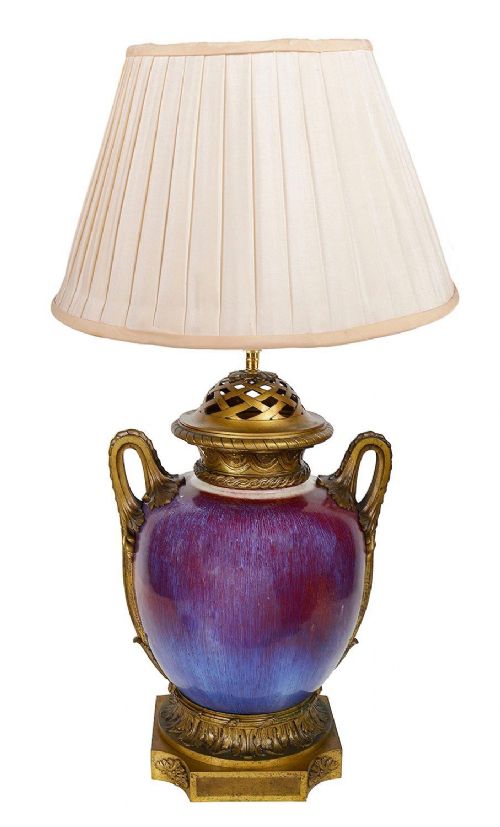
When searching for 18th century style ceramics, collectors look at items originating primarily from English and continental European factories during the Georgian period and subsequent revival decades. The listings include table lamps, tureens, candlesticks, and porcelain figurines that reflect historical decorative movements.
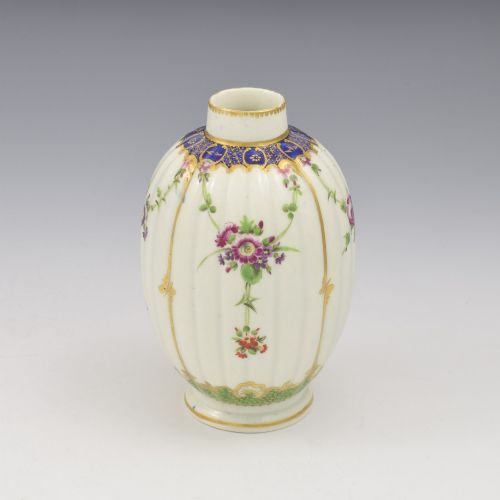
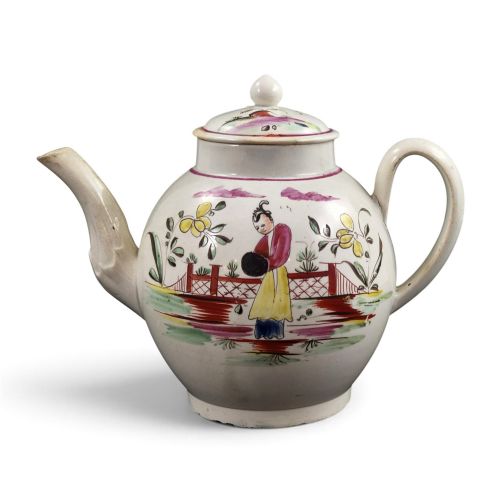
Most pieces encountered on this page belong to the soft-paste and hard-paste porcelain traditions, alongside earthenware, creamware, and tin-glazed faience. Forms range from practical tea canisters and creamware teapots to elaborate allegorical figurines and armorial plates.
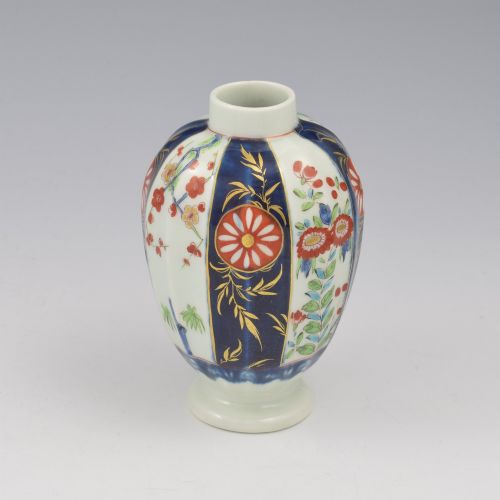
The aesthetic vocabulary draws heavily from Chinese Export design, Chinoiserie motifs, and the asymmetrical curves of the Rococo movement. Makers frequently adapted oriental patterns or applied enamel hand-painting to domestic utility wares.
Materials and Techniques
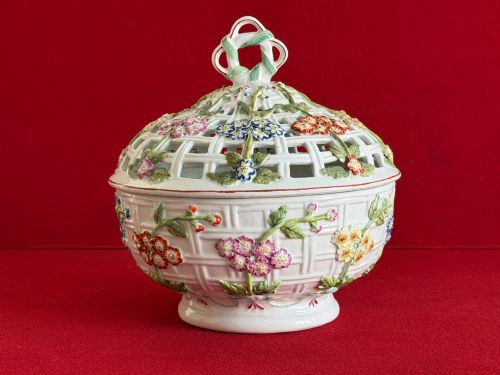
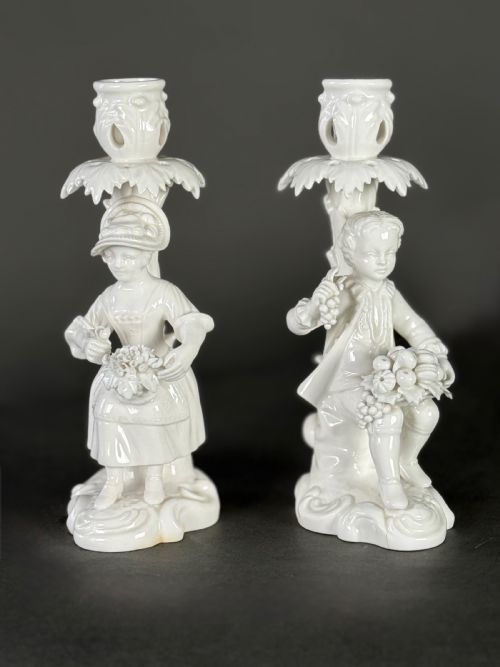
Makers utilised soft-paste and hard-paste porcelain, earthenware, and pearlware bodies, often shaping them through press-moulding or throwing on a wheel. Delicate additions such as applied lace details, cabbage leaf moulding, and crisp floral handles demonstrate skilled manual assembly before the first firing.
Glazing techniques included tin-glazing for faience and majolica wares, alongside lead glazing and clear porcelain coats. Enamel colours, gold leaf, and cobalt blue pigments were hand-painted over or under the glaze, followed by a secondary firing to fix the palette.
A solitary ceramic partridge sits ready beneath its lid, guarding the dining table with enduring eighteenth century vigilance.
Evaluating Quality
Quality rests in the precision of the hand-painted enamel work and the crispness of moulded details such as leaves, figures, and gadrooned edges. Superior examples display balanced composition, controlled brushwork on motifs like Kakiemon or blue and white transfer designs, and secure fitting of covers to vessels.
The refinement of the ceramic body itself - whether a translucent hard-paste paste or a carefully potted soft-paste paste - dictates the tier of the piece. Finer items retain clean glaze surfaces without excessive pooling, firing cracks, or distortion from kiln placement.
Derby Porcelain·Meissen Porcelain·Ernst Bohne Soehne·Enoch Wood And Sons·Thomas Wolfe
The 18th Century Style Ceramics Glossary
- Chinoiserie
- European decorative style reflecting Chinese artistic influences, commonly seen in imaginative landscapes and figures on ceramics. This style flourished across porcelain painting throughout the Georgian period.
- Faience
- European tin-glazed earthenware decorated with coloured metal oxides over an opaque white glaze. It mimics the appearance of tin-glazed pottery produced in various continental centres.
- Soft-paste porcelain
- An artificial porcelain compound composed of white clay, glass, and ground frit, fired at lower temperatures than hard-paste porcelain. English factories utilised this body extensively during the eighteenth century.
- Imari
- Japanese export ceramic style featuring distinct iron red, underglaze blue, and gilt palettes, later copied by European porcelain works. The pattern style remains prominent on plates and decorative dishes.
- Albramello
- A type of majolica pharmacy jar designed to hold medicinal herbs, ointments, or dry drugs. These cylindrical earthenware vessels frequently feature blue and white painted decoration.
- Bisque
- Unglazed fired porcelain possessing a matte, marble-like texture frequently utilised for sculptural figures. This finish highlights modelled facial expressions and drapery folds without glaze interference.
18th Century Style Ceramics: Frequently Asked Questions
How do I care for antique porcelain?
Clean these ceramics by hand using lukewarm water and mild soap, avoiding dishwashers and harsh scrubbers entirely. Dry them thoroughly with a soft cloth to protect vulnerable gilt and enamel surfaces.
Store or display items away from direct sunlight and sudden temperature shifts to prevent stress on the glaze and ceramic body.
What is the difference between soft-paste and hard-paste porcelain?
Soft-paste porcelain contains glass and frit mixtures fired at lower heats, yielding a warmer, creamier body under the glaze. Hard-paste porcelain uses true china clay and petuntse fired at extreme temperatures, resulting in a denser, harder material.
Examining the footrim or unglazed areas helps reveal the distinct density and texture of each ceramic body type.
How were eighteenth century teapots used?
These teapots served brewed tea during formal domestic gatherings, functioning as central table pieces among matching porcelain services. Servants or hosts poured the hot beverage from them into small handleless tea bowls.
They also doubled as display items on mantelpieces or within china cabinets when not in active household use.